Are You Ready for the Future of Heat Transfer Printing?
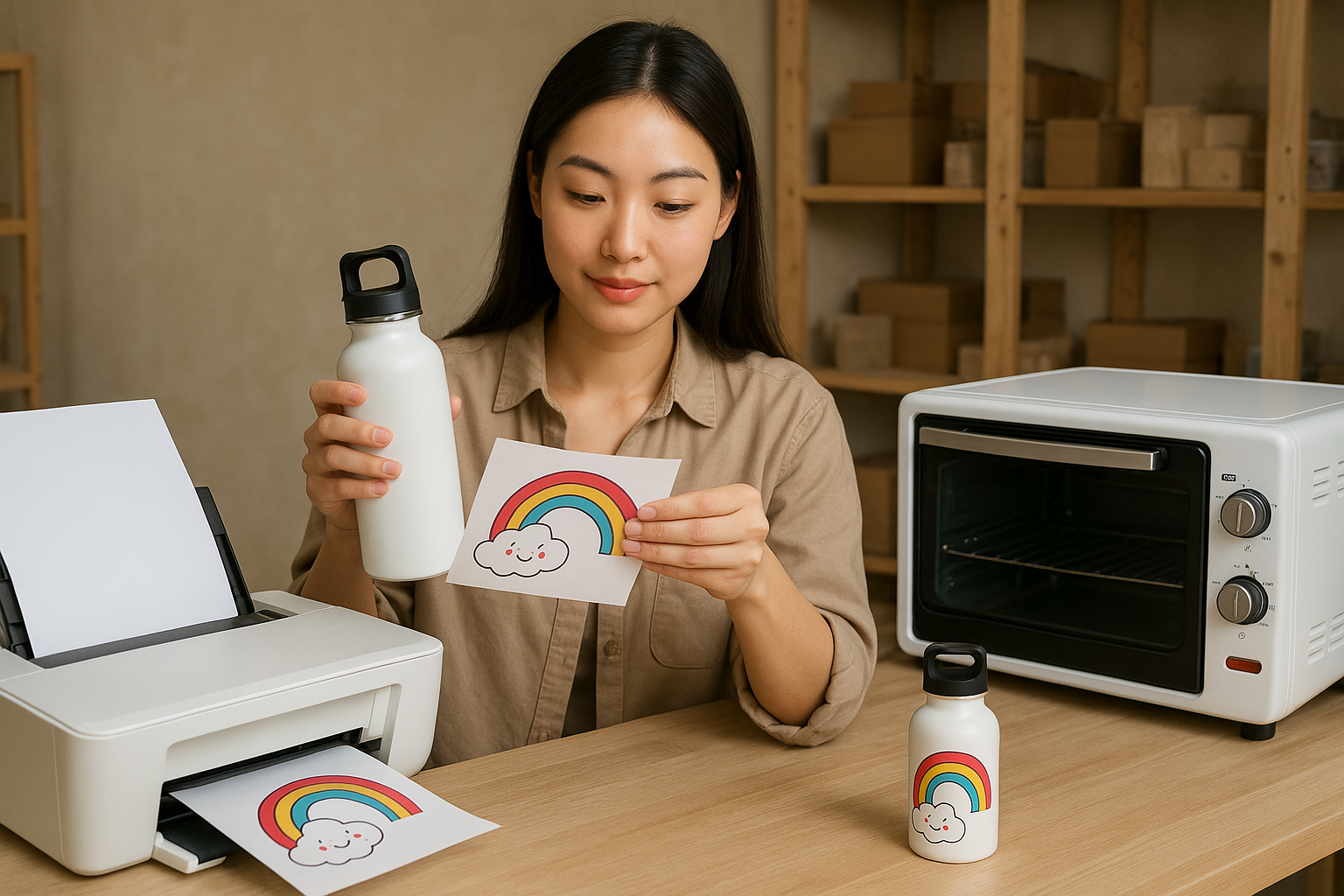
Your current printing methods feel outdated and slow. You struggle with environmental rules and turning down small, custom jobs. This is costing you money and holding your business back.
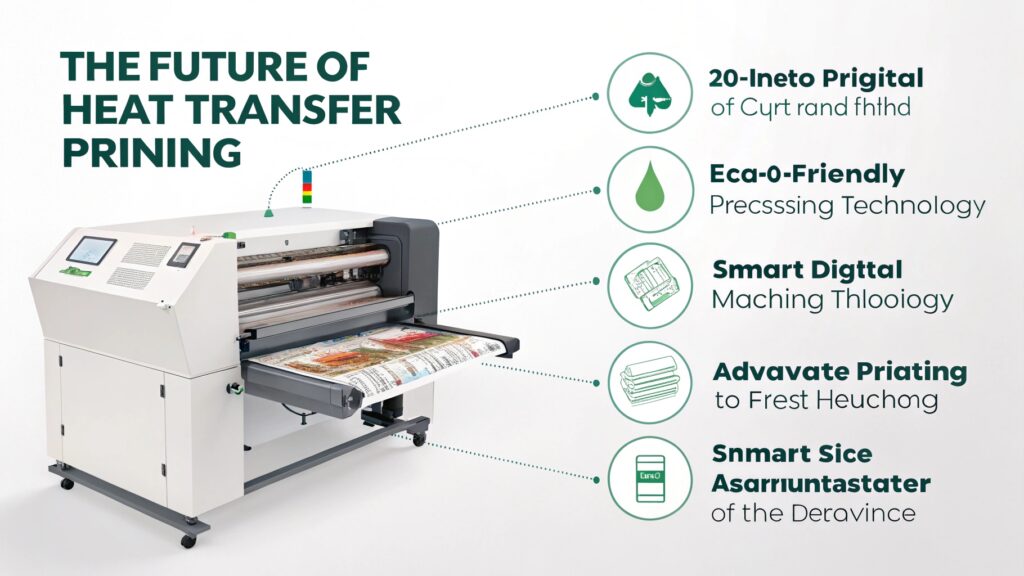
The future of heat transfer printing is here. It uses eco-friendly inks, precise digital technology for any order size, and smart, automated machines. This makes printing faster, more versatile, and better for the planet.
I've seen this industry change so much since I first started working in a sublimation factory. The challenges we face today are different, but the opportunities are bigger than ever. My friend Alex, a product and heat transfer specialist, and I often talk about these shifts. We both agree that staying ahead of these trends is not just an option; it's necessary for survival and growth. Let's look at what's coming and how you can prepare.
Are eco-friendly inks the new industry standard?
Your customers are asking for "green" products. But your old solvent-based inks are bad for the environment and might soon be banned. You risk losing business and facing fines.
Yes, eco-friendly inks are the new standard. Water-based inks are replacing solvent options because they have low VOCs (Volatile Organic Compounds). They meet stricter environmental regulations and growing customer demand for sustainable products, helping your business stay competitive and responsible.
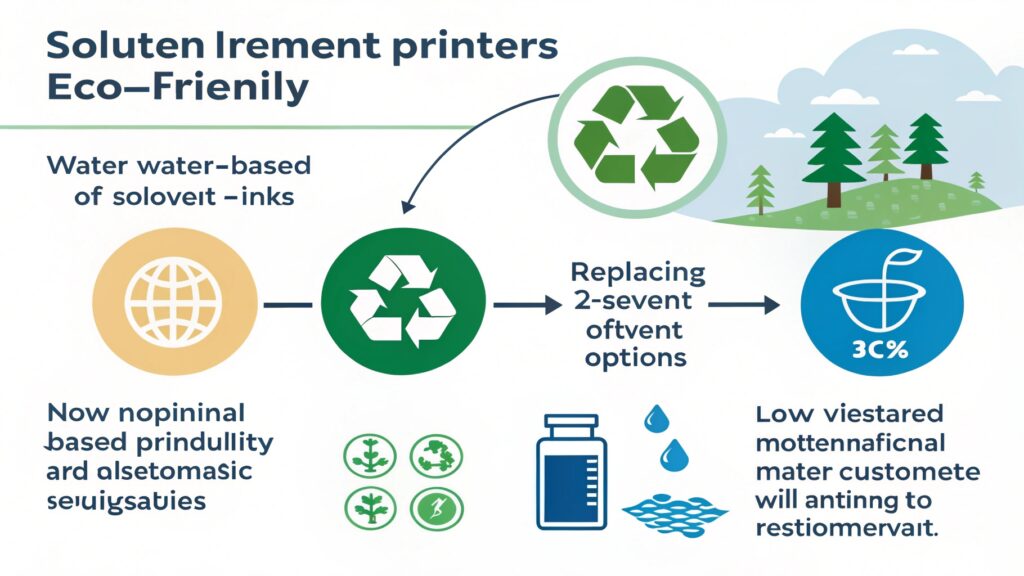
When I first opened my trading company, the smell of solvent inks was just part of the job. We didn't think much about it. Now, things are different. Alex told me that in Canada, the regulations are getting tighter every year. Businesses that don't adapt are being left behind. The biggest change is the move to water-based inks. They are much safer for workers and the planet. These inks have very low levels of Volatile Organic Compounds (VOCs), which are harmful chemicals released into theair. This shift isn't just about following rules; it's about what customers want. More people are choosing to buy from businesses that care about the environment. Making the switch can be a powerful selling point for your brand.
Here is a simple breakdown Alex shared with me:
| Feature | Solvent-Based Inks | Water-Based Inks |
|---|---|---|
| Environmental Impact | High VOCs, harmful | Low/Zero VOCs, safer |
| Worker Safety | Requires heavy ventilation | Safer to handle and use |
| Regulatory Compliance | Increasingly restricted | Meets new standards |
| Customer Appeal | Less desirable | High demand for "green" products |
Can new digital technology really make small orders profitable?
Screen printing setup costs make small and custom orders too expensive. You have to turn away customers who want just a few items, losing out on valuable business and creative projects.
Absolutely. Digital heat transfer technologies, using advanced printheads like Kyocera and variable data printing (VDP), make small batches and personalized orders highly profitable. They eliminate most setup costs, providing a fast and affordable alternative to traditional screen printing.
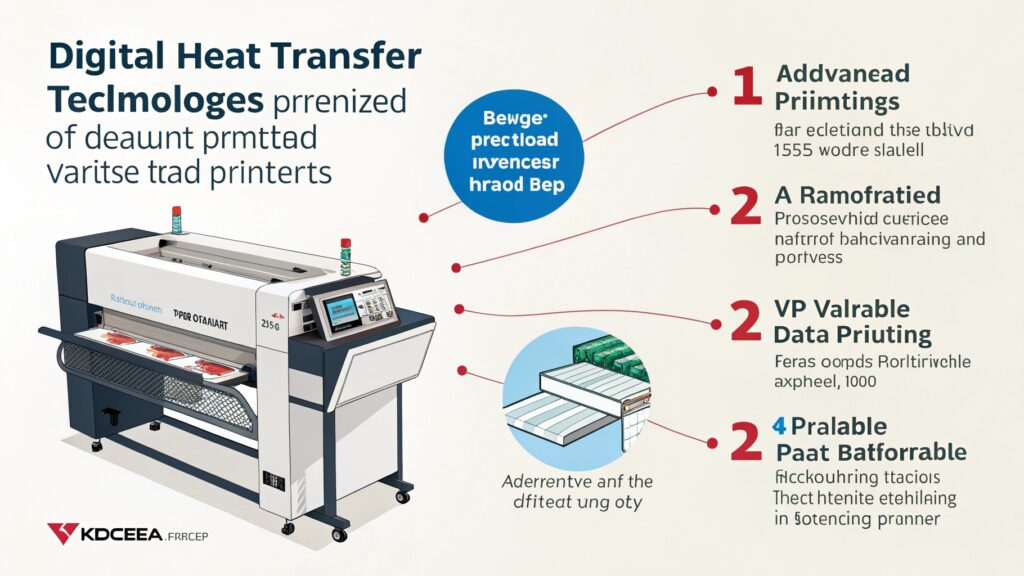
I remember the days of telling customers the minimum order was 100 pieces. It was painful to turn down smaller clients. Today, that's no longer a problem. My friend Alex works with this new technology every day. He explained that industrial inkjet printheads, like those from Kyocera, are a game-changer. They are incredibly precise and fast, printing high-resolution images without the need for screens. But the real magic is something called Variable Data Printing, or VDP. This lets you print a series of unique designs in one run. For example, you can print 20 shirts for a sports team, each with a different name and number, as easily as printing 20 identical shirts. This opens up a huge new market for customization that was impossible with screen printing. It helps small businesses like ours compete with the big guys.I remember the days of telling customers the minimum order was 100 pieces. It was painful to turn down smaller clients. Today, that's no longer a problem. My friend Alex works with this new technology every day. He explained that industrial inkjet printheads1, like those from Kyocera, are a game-changer. They are incredibly precise and fast, printing high-resolution images2 without the need for screens. But the real magic is something called Variable Data Printing3, or VDP. This lets you print a series of unique designs in one run. For example, you can print 20 shirts for a sports team, each with a different name and number, as easily as printing 20 identical shirts. This opens up a huge new market for customization that was impossible with screen printing. It helps small businesses like ours compete with the big guys.
Why Digital Beats Screen Printing for Small Jobs:
- No Screens Needed: You save time and money by not having to create and set up screens for each color.
- Fast Turnaround: You can go from design to finished product in a fraction of the time.
- Full-Color Detail: Digital printers can create complex, photo-quality images with unlimited colors easily.
- Cost-Effective: With almost no setup, the cost per item for a small batch is much lower.
Is dye-sublimation moving beyond just sportswear?
You've perfected dye-sublimation for polyester sportswear. But you feel limited by the materials you can use, missing out on the growing demand for custom home décor and other products.
Yes, dye-sublimation is rapidly expanding into new markets. It's now used on hard surfaces like ceramics and metal for home décor. New low-temperature transfer technology (below 160°C) also lets you print on heat-sensitive materials that were previously off-limits.
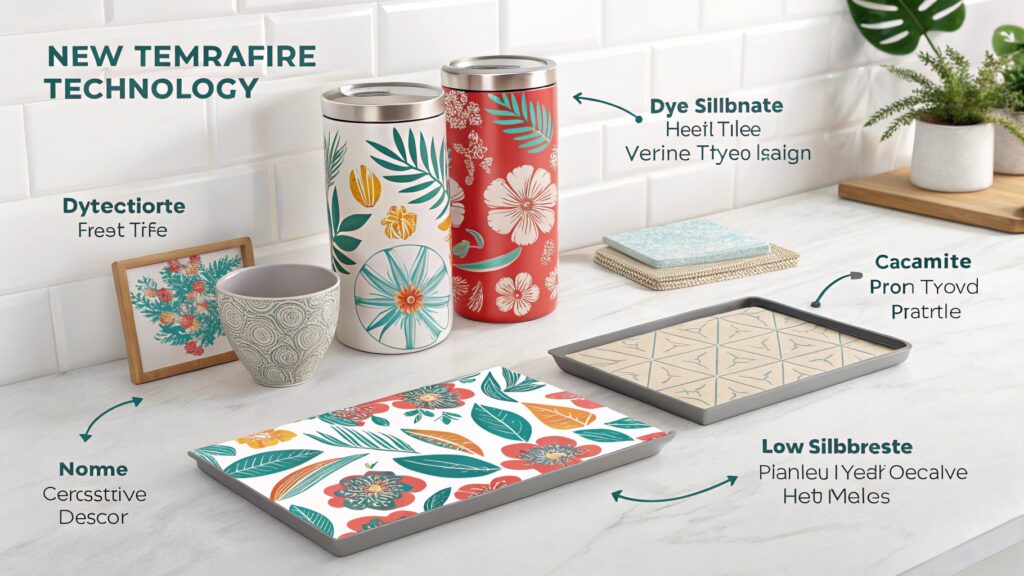
For years, my business focused heavily on polyester fabrics for things like team jerseys and athletic apparel. It was our bread and butter. But recently, I saw a huge increase in customers asking for custom items for their homes. I talked to Alex about this, and he confirmed it’s a major trend. The technology has improved so much. Now, you can sublimate onto specially coated ceramics, glass, and metal panels. This means you can offer custom mugs, tiles, and wall art with stunning, permanent color. The other big breakthrough is low-temperature transfer. Standard sublimation requires high heat (around 200°C), which can damage many fabrics. New formulas now work at 160°C or even lower. This opens the door to printing on heat-sensitive materials, like certain types of nylon or a wider range of blended fabrics, without ruining them.
Do "smart" machines actually improve print quality?
You work hard to get colors right, but reprints and waste are still common. Inconsistent results from your machines hurt your profits and your reputation for quality with every failed press.
Yes, smart manufacturing makes a huge difference. IoT-ready machines from brands like Mimaki and EFI use automated color calibration with ICC profiles. This ensures perfect color every time, increases speed, and achieves high colorfastness ratings (Grade 4-5) with less waste.
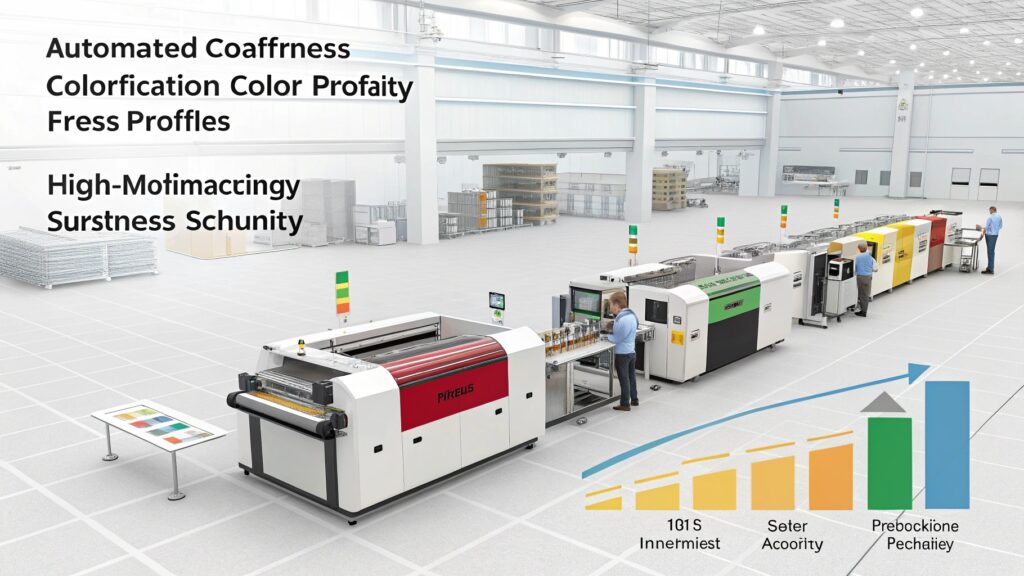
Consistency is key to a successful printing business. Nothing is more frustrating than when a reprint doesn't match the original color. This is where smart manufacturing comes in. Alex calls it "Industry 4.0 for printing." Modern heat transfer machines can now connect to the internet (this is what IoT means). They can send data, receive instructions, and even adjust themselves. For example, many now have automated color calibration. You use a tool to create an ICC profile, which is like a language that ensures your printer, computer screen, and inks all understand color the same way. The machine then automatically adjusts to produce that exact color. This drastically reduces errors and wasted materials. It also improves colorfastness, which is how well the color resists fading after washing. A Grade of 4-5 is a professional standard, and these smart machines help you hit that mark every single time. It's like having an expert technician built right into your equipment.
Conclusion
The future of heat transfer is smart, sustainable, and precise. Embracing these trends in inks, digital printing, and automation will ensure your business grows and succeeds for years to come.
-
Learn about industrial inkjet printheads to see how they can improve printing efficiency and quality for your business. ↩
-
Discover techniques for achieving high-resolution images in printing, essential for quality output in your projects. ↩
-
Explore this link to understand how Variable Data Printing can revolutionize your printing business and enhance customization options. ↩

Hi there! I'm Lucy, the guardian angel of two good children. During the day, I am a professional in the heat transfer printing industry, from factory workshops to running my own business. Here I share what I have learned - let's grow together!