Best Materials for Sublimation Printing: A Complete Guide?
You have a brilliant design, but choosing the wrong material can lead to faded, blotchy results. This uncertainty wastes expensive blanks and kills your confidence, making you question your entire process. I will show you exactly what materials guarantee vibrant, professional prints every time.
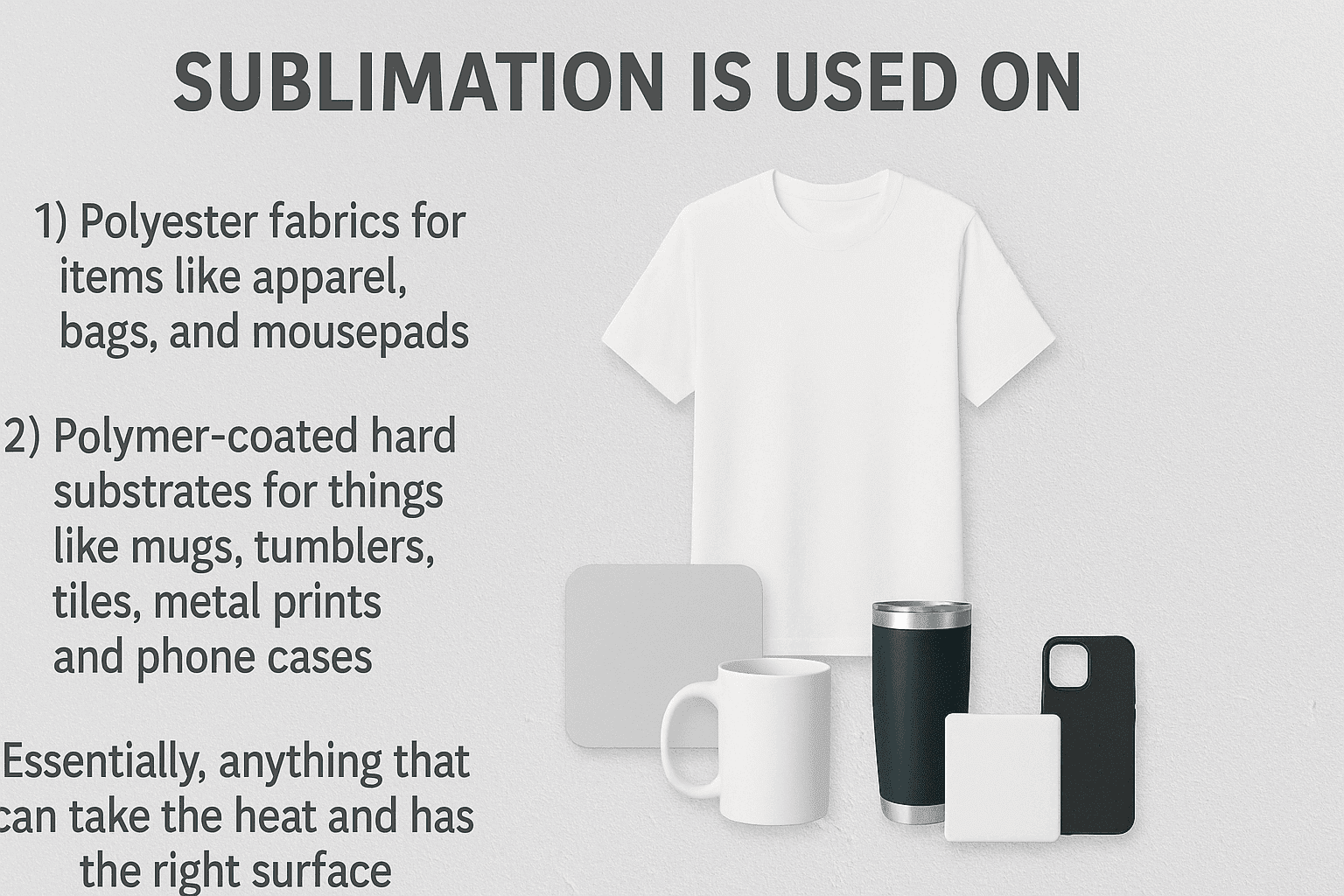
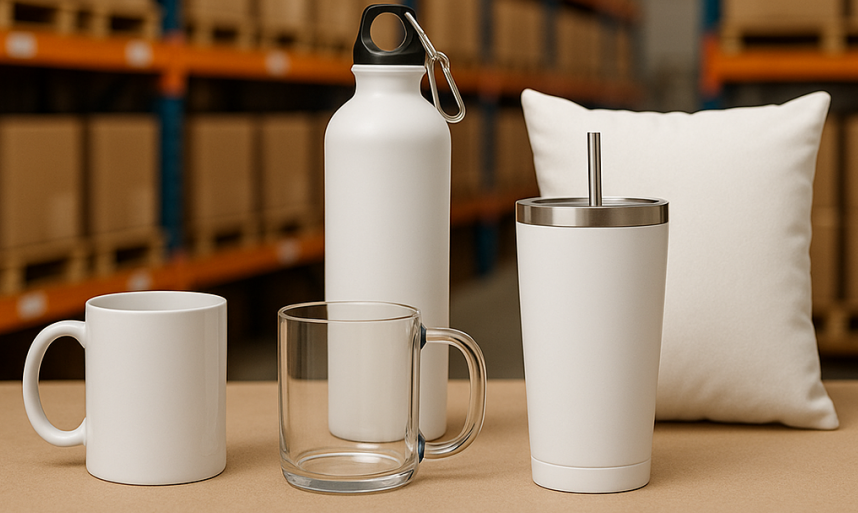
The best materials for sublimation printing are 100% polyester for fabrics and polymer-coated hard surfaces, often called "sublimation blanks." This is because the sublimation process requires polyester fibers or a polymer coating for the ink to permanently bond with, ensuring bright, lasting colors.
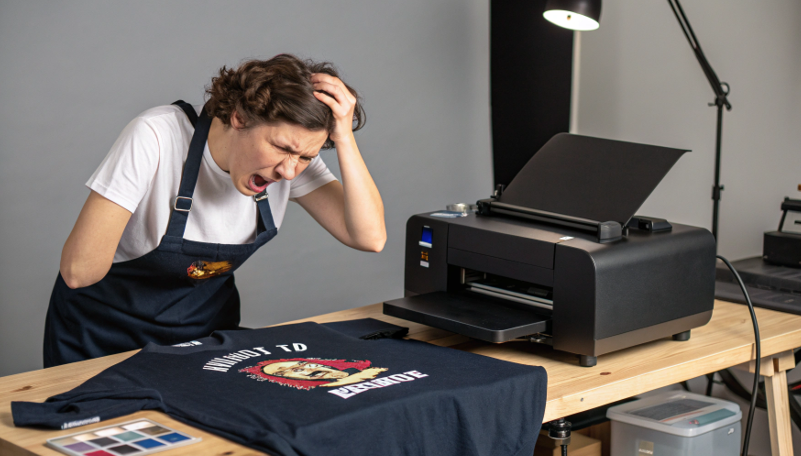
When I first started in this industry, I made my fair share of mistakes. I vividly remember trying to sublimate a beautiful design onto a 100% cotton t-shirt I bought from a craft store. I was so excited. I pressed it perfectly, but after the first wash, the design almost completely vanished. It was a costly and frustrating lesson. That experience taught me that the material isn't just a detail; it's the foundation of a successful print. Let’s break down the science so you can avoid the same mistakes and choose the right materials with confidence.
What material is best for sublimation printing?
You're surrounded by options—cotton, poly-blends, different ceramics—and it's confusing. Choosing incorrectly means you're just throwing money away on blanks that will never look good. Let me give you the clear, simple answer to eliminate the guesswork for good.
For the absolute best results, you must use 100% polyester for apparel or specially-coated hard goods like mugs and tumblers. The sublimation ink is chemically designed to bond only with polyester polymers, which is what produces those incredibly vibrant, permanent, and photo-quality transfers.
Dive Deeper: Why Polyester is King
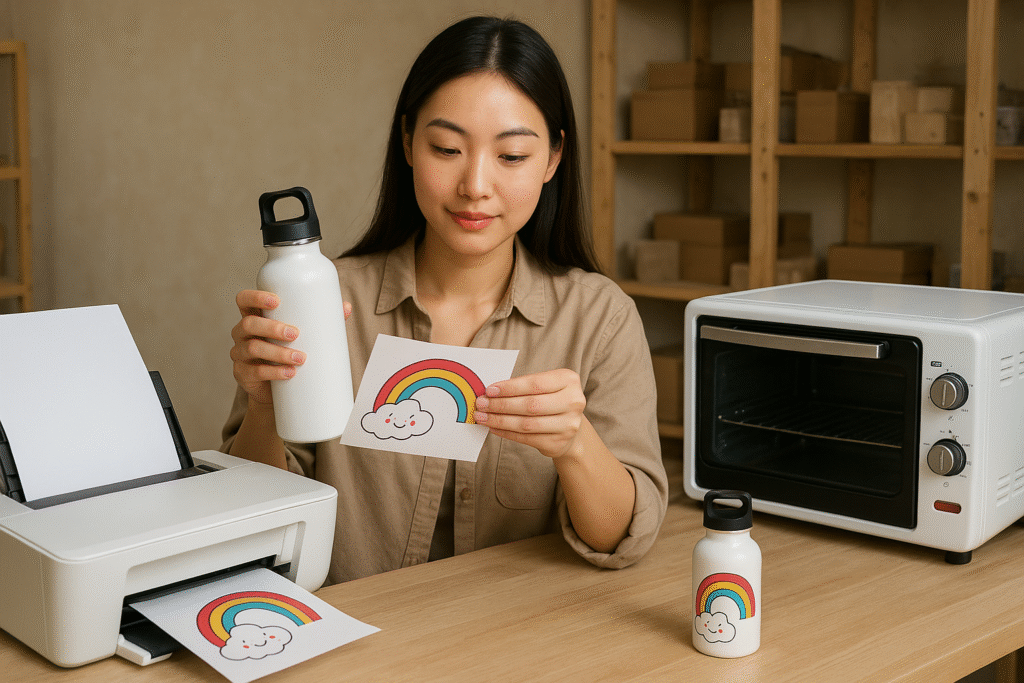
Understanding the "why" behind this rule is crucial for any designer, like Emma, who needs to guarantee results for her clients. It all goes back to the science of the process. Sublimation ink, when heated, turns into a gas. At the same time, the heat causes the pores of polyester fibers to open up. The gaseous ink then flows into these open pores. As the material cools, the pores close, permanently trapping the ink inside the fibers. The ink becomes one with the material. This simply cannot happen with natural fibers like cotton, which don't have these polymer pores to open. They just get scorched by the heat.
Here’s a quick guide to common materials and their suitability for sublimation:
| Material Type | Suitability | Why it Works (or Doesn't) | Best For |
|---|---|---|---|
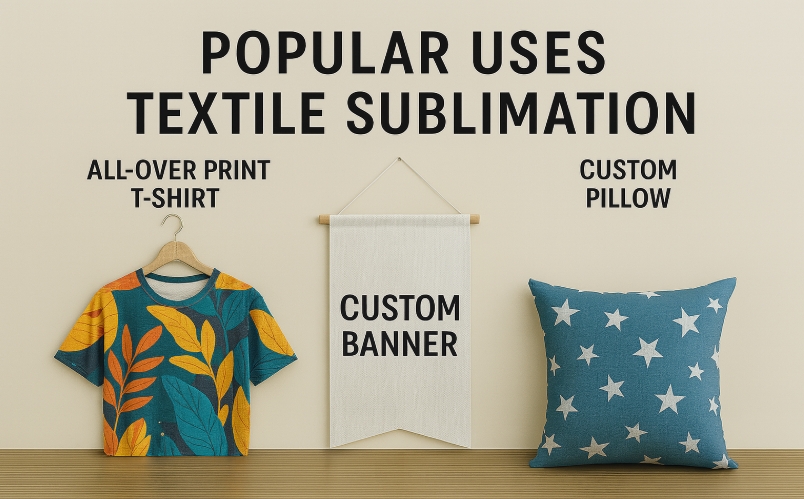
| 100% Polyester | Excellent | The ink permanently bonds with the polymer fibers, resulting in vibrant, full-color, and permanent prints. | Performance apparel, sportswear, photo panels, flags, blankets. |
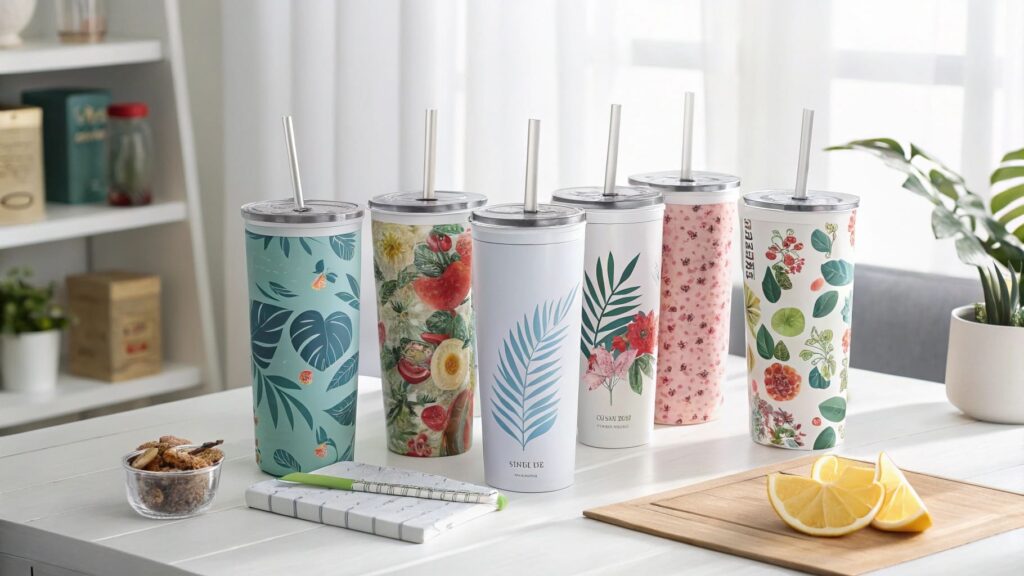
| Polymer-Coated Hard Goods | Excellent | These "sublimation blanks" (mugs, tumblers, keychains) have a special polyester coating that mimics the properties of polyester fabric. | Mugs, water bottles, phone cases, coasters, metal prints. |
| Polyester Blends | Varies | The ink will only bond to the polyester fibers, resulting in a faded or "vintage" look. (More on this below). | Fashion apparel where a retro or faded aesthetic is desired. |
| 100% Cotton, Natural Fibers | Not Suitable | The ink has nothing to bond with. The design will wash out almost completely after the first wash, leaving a faint stain. | Do not use for sublimation. Use other methods like DTG or HTV. |
Can I sublimate on 50% cotton and 50% polyester?
You’ve found the perfect t-shirt, it feels soft, but the tag says it's a 50/50 blend. You're hesitant to press it, fearing a disappointing result. This indecision can stop a project in its tracks. I'm here to tell you not only that you can, but that it can create a unique style.
Yes, you can sublimate on a 50/50 cotton/polyester blend. However, the final print will have a faded, "vintage" or "heathered" appearance. This is because the sublimation ink will only bond to the 50% polyester fibers, and the ink meant for the cotton will wash out.
Dive Deeper: Mastering the "Vintage" Look
This is a perfect example of turning a limitation into a feature. I once had a client who ran a brand with a retro, skater-vibe. They specifically requested the faded look of sublimation on 50/50 blends. They loved it because it looked authentically worn-in from day one. The key is managing expectations. If you or your client are expecting the brilliant pop of a 100% polyester shirt, you will be disappointed. But if you are intentionally aiming for a softer, more subtle aesthetic, a 50/50 blend is a fantastic choice. The design will still be permanent—it won't crack or peel—because the ink that did stick is bonded correctly to the polyester. It will just be less vibrant.
Here’s what’s happening during the process:
- Ink Transfer: When you press the design, the gaseous ink attempts to bond with the entire surface of the shirt.
- Bonding: The ink successfully infuses into the polyester fibers, creating a permanent bond.
- No Bonding: The ink that lands on the cotton fibers has nothing to bond with. It sits loosely on the surface.
- First Wash: During the first wash, all the unbonded ink on the cotton fibers washes away.
- Final Result: You are left with a design that is only present in the 50% of the fabric that is polyester, creating that signature faded look. This look is very popular for certain fashion and lifestyle brands.
What material does full sublimation need to be on?
You want to create those incredible, eye-catching all-over-print hoodies or t-shirts. The thought of getting it wrong—with white creases and faded areas—is daunting. Using the wrong fabric will guarantee a failed, unprofessional product. Let me tell you the non-negotiable material for this technique.
Full, all-over sublimation printing must be done on 100% polyester fabric. This is the only way to achieve the deep, vibrant, and seamless edge-to-edge color saturation that this style requires. Any cotton content will result in a blotchy, faded, and inconsistent final product.
Dive Deeper: The Demands of All-Over Printing (AOP)
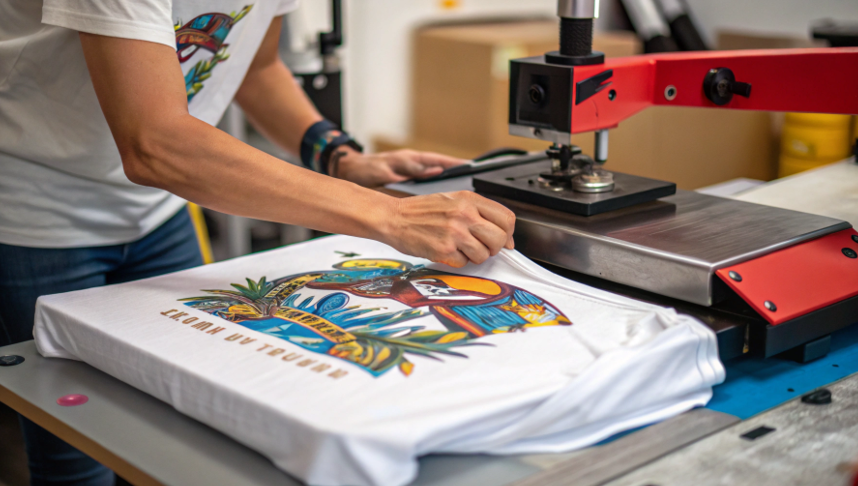
All-over printing is one of the most visually stunning applications of sublimation, but it's also one of the most technically demanding. My business produces a lot of custom apparel, and for AOP jobs, we strictly use 100% polyester. There is no room for compromise here. When a client like Emma is designing a product that will be sold at a premium, the quality has to be flawless. One of the biggest challenges in AOP is avoiding printing voids. These are small white areas, often called "smiles" or "creases," that appear where the fabric was folded during pressing, like under the arms or along seams.
-
Why 100% Polyester is Essential: To overcome these challenges and achieve maximum color impact, you need every single fiber to accept the ink. With a 100% polyester garment, you get the richest colors possible, which helps to minimize the visual impact of any small, unavoidable voids. On a poly-blend, the already-faded look would make these white creases even more obvious and distracting.
-
The Professional Method: Cut-and-Sew: For high-end, truly seamless AOP products, the professional standard is the "cut-and-sew" method. This is where we sublimate the design onto large, flat panels of 100% polyester fabric first. Then, those printed panels are cut out and sewn together to construct the final garment. This completely eliminates the problem of voids along seams and under the arms, resulting in a perfect, continuous print. It’s more labor-intensive, but it’s the only way to achieve a truly professional, retail-quality all-over-print garment.
Can you sublimate on 60% cotton 40% polyester?
You've found a product with a 60% cotton, 40% polyester composition and wonder if it's usable. You're hoping it might work, but you're worried it will look even more faded than a 50/50 blend. Your concern is valid—this blend is where you cross the line from "vintage" to "washed out."
While you technically can press a design onto a 60% cotton, 40% polyester item, the result will be extremely faded and distressed. With less than half the fabric composed of polyester, the majority of the ink will wash out, leaving a very faint, almost ghost-like image.
Dive Deeper: When the Numbers Don't Add Up
In my experience, blends with less than 50% polyester are generally not recommended for commercial products unless the goal is an extremely subtle, highly distressed look. Think of it as simple math. The ink can only bond to the 40% of the shirt that is polyester. That means 60% of your ink and your design's vibrancy will go down the drain in the first wash. This is a significant drop-off in quality from a 50/50 blend. I often have to guide designers away from these "cotton-dominant" blends because the final product rarely meets their expectations for a quality print.
Let's do a quick comparison to put it in perspective:
| Polyester Content | Expected Visual Result | Best Use Case |
|---|---|---|
| 100% | Incredibly vibrant, sharp, photo-quality. | Professional apparel, promo items, hard goods. |
| 50% - 65% | Noticeably faded, soft "vintage" look. | Fashionable, retro-style apparel. |
| 40% or Less | Extremely faded, highly distressed, "ghost" image. | Generally not recommended for most applications. Maybe for artistic or one-off "grunge" style pieces. |
So, while it is physically possible to press a design onto a 60/40 blend, it's rarely advisable. The risk of an unhappy client or a product that looks defective is very high. My rule of thumb is to stick to blends with at least 50% polyester to ensure the final product looks intentional and stylish, not just faded and old.
Conclusion
For best results, always use 100% polyester or polymer-coated blanks. Poly-blends can create a vintage look, but anything below 50% polyester will produce a very faded, often unusable print.

Hi there! I'm Lucy, the guardian angel of two good children. During the day, I am a professional in the heat transfer printing industry, from factory workshops to running my own business. Here I share what I have learned - let's grow together!