Can you sublimate a water bottle?
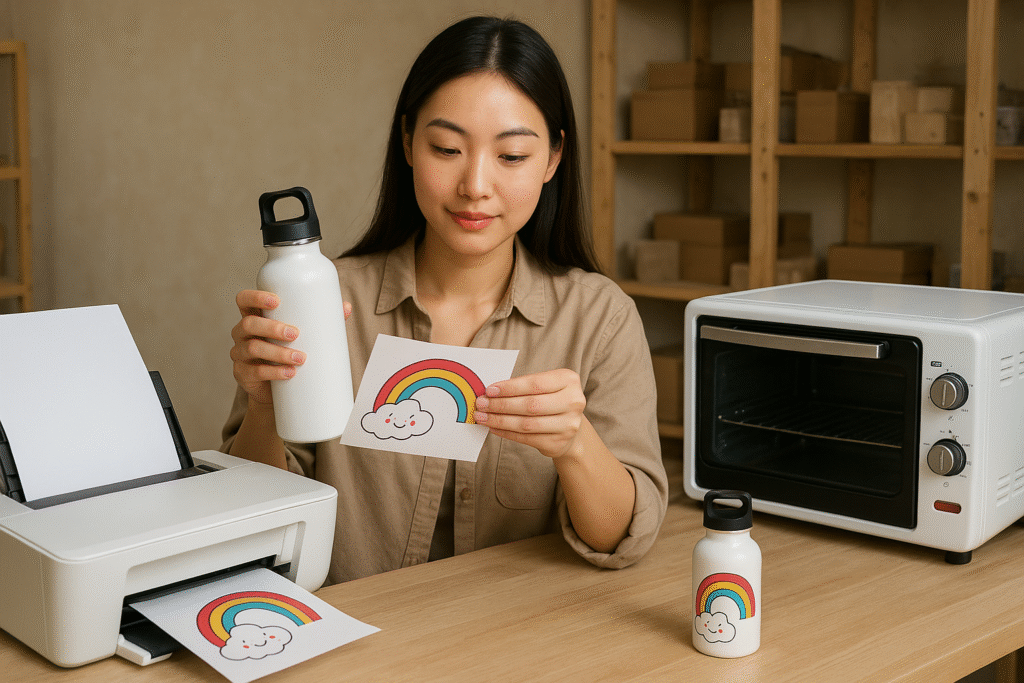
Tired of plain, boring water bottles? You want to add a vibrant, custom design, but the process seems confusing. Success with sublimation means getting it right the first time.
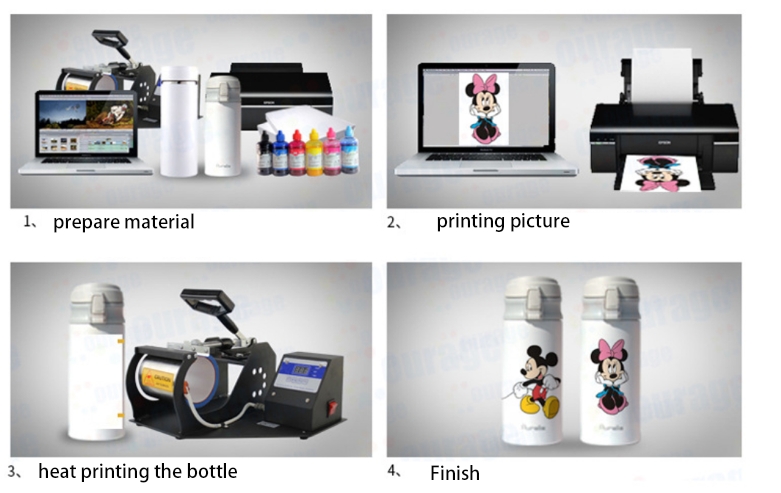
Yes, you can sublimate a water bottle, but only if it has a special polymer coating. Standard metal or plastic bottles won\'t work. The sublimation process requires this specific coating for the ink to permanently bond to the surface, creating a vibrant, durable design.
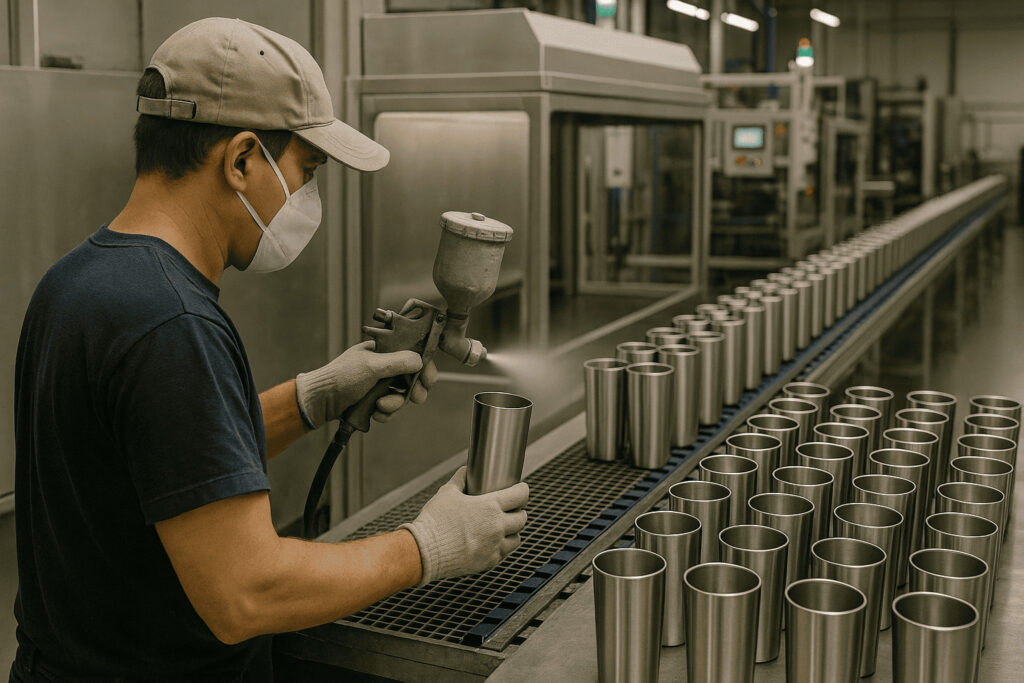
When I first started my sublimation business, water bottles were one of the first products I wanted to offer. I saw the potential for custom gifts, team merchandise, and corporate branding. But I quickly learned it wasn’t as simple as grabbing any bottle off the shelf and putting it in my heat press. The material is everything. Understanding a few key details about materials and heat will save you a lot of time, money, and frustration. Let’s dive into the specifics so you can start creating amazing custom water bottles.
What happens if you heat a plastic water bottle?
Thinking you can save money by using a cheap plastic bottle? This mistake can damage your bottle, your design, and even your heat press. Know which plastics can handle the heat.
Most common plastic water bottles, like the kind you buy drinks in, will melt, warp, and release fumes under sublimation heat. Only specific heat-resistant, polymer-coated plastics are designed for this process.
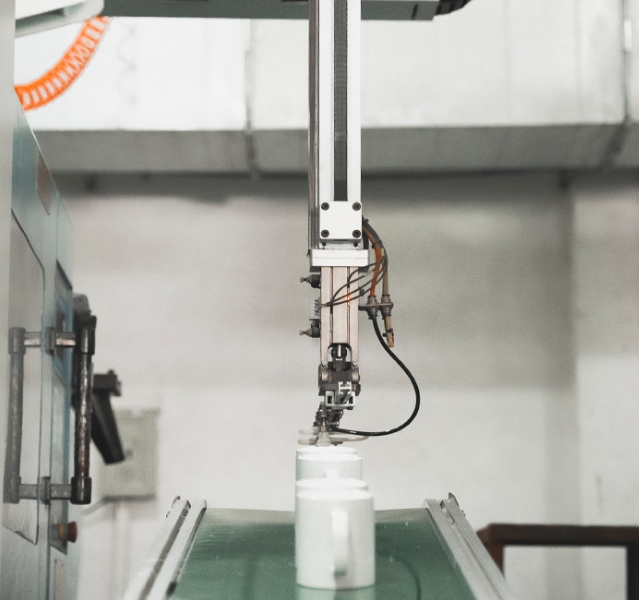
Sublimation requires high temperatures, usually around 180°C to 200°C (350°F to 400°F). Standard plastic bottles are often made from PET (Polyethylene terephthalate), which starts to soften and deform at much lower temperatures. I once had a client who tried this, and it was a complete mess. The bottle melted all over their heat press platen, creating a sticky mess that was very difficult to clean. My product specialist, Alex, always stresses the importance of checking material specs. He says that trying to sublimate on the wrong plastic is not only a waste of a blank but also a safety risk due to the potential fumes. You must use plastic bottles specifically sold as "sublimation blanks." These are made from a different kind of polymer that is engineered to withstand the heat without melting or warping.
| --- | ||||||||
|---|---|---|---|---|---|---|---|---|
| PET | Disposable water bottles | No | Melts at low temperatures. | |||||
| HDPE | Milk jugs, detergent bottles | No | Low melting point, not polymer-coated. | |||||
| Polymer Blanks | Sublimation mugs, bottles | Yes | Designed to withstand ~200°C heat. | |||||
| FRP | Keychains, name tags | Yes | Fiber-Reinforced Polymer is heat-resistant. |
What materials can you not sublimate on?
Wasting time and materials on failed transfers is frustrating. You press a perfect design, but it comes out faded, blurry, or just wipes right off. Knowing the "no-go" materials is key.
Sublimation does not work on natural fibers like 100% cotton or on any non-coated material. This includes untreated metal, glass, wood, and ceramics. The process requires a polyester or polymer-based surface.
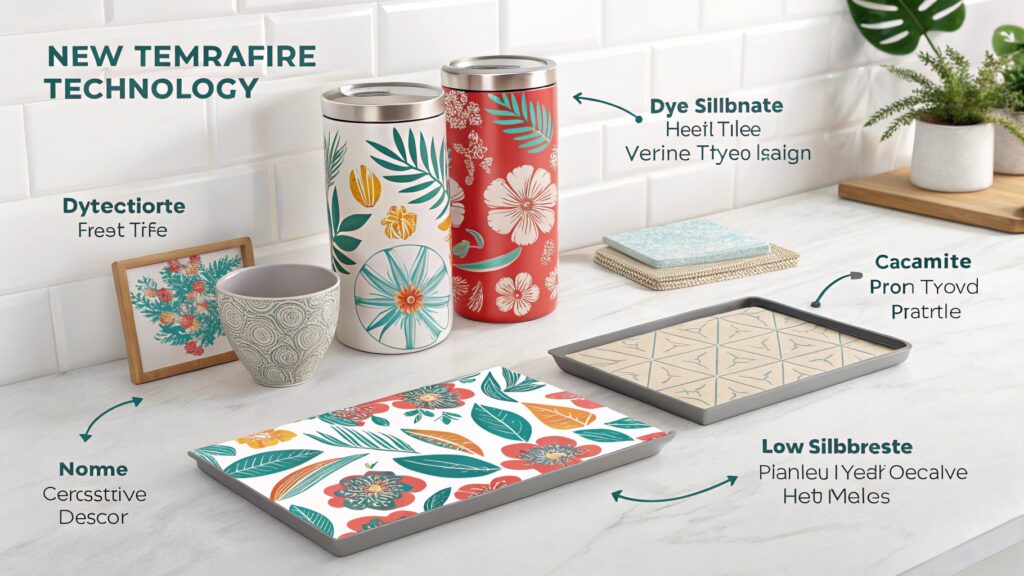
The science of sublimation is simple. When heated, the solid sublimation ink turns into a gas. This gas then bonds with the polyester fibers or polymer coating. If there are no polymers, the ink has nothing to bond with. When it cools, it just turns back into a solid powder on the surface and can be easily wiped away. I remember my early days in the factory. I tried to sublimate a beautiful design onto a plain ceramic tile I bought from a hardware store. It looked great coming out of the press, but the image wiped right off with my thumb. That\'s when I learned about the special coating. Alex, my go-to tech expert, explains it like a lock and key. The ink (gas) is the key, and the polymer coating is the lock. Without the lock, the key has nowhere to go. This applies to all surfaces, not just water bottles.
| --- | ||||||
|---|---|---|---|---|---|---|
| 100% Cotton | No | Lacks polymer fibers for ink to bond with. | ||||
| Dark Fabrics | No (without special vinyl) | Sublimation ink is transparent; it won\'t show up. | ||||
| Untreated Metal | No | Needs a polymer coating. | ||||
| Untreated Glass/Ceramic | No | Needs a polymer coating. | ||||
| Polyester/Poly-blends | Yes | Has the necessary polymer fibers. |
Can you sublimate on a hydroflask?
Hydro Flasks are very popular, but they are also expensive. You don\'t want to risk ruining a premium bottle with a failed sublimation attempt. The answer is not straightforward.
No, you cannot directly sublimate on a standard Hydro Flask bought from a store. Its durable powder coating is not the correct type of polymer for sublimation ink to bond with.
A client once asked me this exact question. They wanted to offer custom branded Hydro Flasks for a corporate event. I had to explain that the factory finish on these bottles is a thermoset powder coat, designed for toughness, not for printing. Alex confirms this, stating that this type of coating won\'t accept the sublimation dye. To make it work, you would have to chemically or physically strip the original coating off the stainless steel bottle, then apply a special liquid or powder sublimation coating, and then cure it properly. This is a multi-step, industrial process that is not practical or cost-effective for most small businesses. It is much easier and cheaper to buy stainless steel water bottles that are manufactured specifically as "sublimation blanks." They look very similar but come pre-coated with the correct polymer, ready for your designs. Trying to modify a branded bottle is a recipe for a failed, expensive project.
Can sublimation be done on plastic?
The word "plastic" causes a lot of confusion in sublimation. Some plastics melt instantly, while others create amazing, durable products. Knowing the difference is crucial for expanding your product catalog.
Yes, sublimation works on some plastics. The plastic must be a special, heat-resistant polymer or have a polymer coating. It needs to handle temperatures near 200°C (400°F) without melting or deforming.
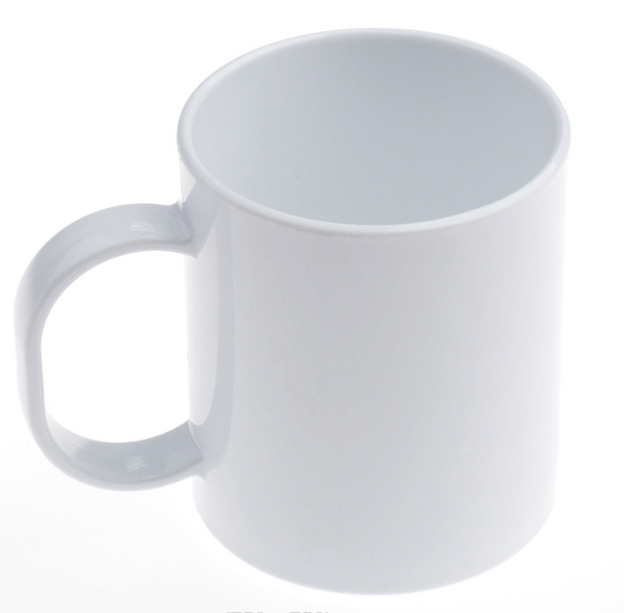
When I first expanded beyond fabrics, I was hesitant about plastics. I remembered the melted bottle incident. But I soon discovered a whole world of products made from sublimatable polymers. Things like phone cases, name badges, and even special polymer mugs and travel tumblers opened up new markets for my business. The key is to source from a reliable sublimation supplier who can guarantee the material is correct. Alex always reminds me that plastics can be trickier than ceramics or metal. The heat press settings—time, temperature, and pressure—must be exact. Too much heat or time can cause the plastic to warp slightly, even if it\'s the right kind. When you buy plastic sublimation blanks, always follow the manufacturer\'s recommended settings carefully. It’s a good idea to test one item first before starting a large batch. Success with plastic is very achievable, you just need to use the right blanks and be precise.
Conclusion
Sublimating water bottles is a great business idea, but success depends on one thing: using bottles with the right polymer coating. Always choose blanks designed specifically for sublimation.

Hi there! I'm Lucy, the guardian angel of two good children. During the day, I am a professional in the heat transfer printing industry, from factory workshops to running my own business. Here I share what I have learned - let's grow together!