Ceramic vs Stainless Steel Sublimation Cups: Pros & Cons ?
You’re starting a new sublimation project and need to choose a cup. But deciding between classic ceramic and durable stainless steel feels overwhelming. You don’t want to pick the wrong material.
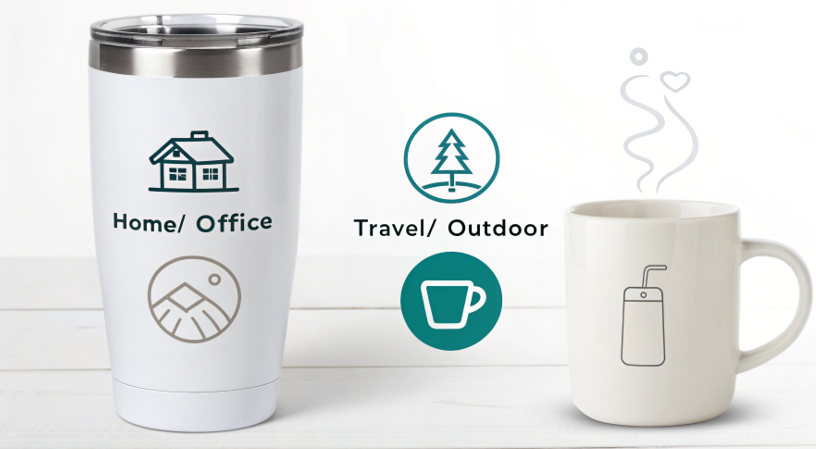
The choice depends entirely on how the cup will be used. Ceramic is perfect for detailed, artistic designs for home or office use. Stainless steel is unbeatable for durability and keeping drinks hot or cold on the go.
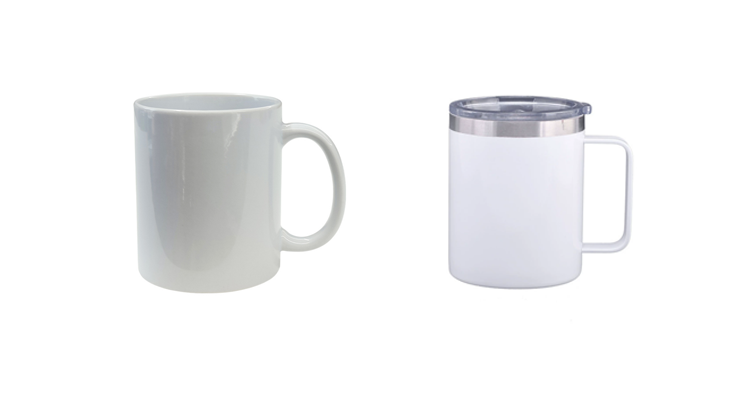
I face this question with clients all the time. One of my first big orders was for a tech company’s new employee welcome kit. They wanted a classic, elegant mug for the office desks, so we went with ceramic to get that premium feel and perfect photo-quality print. A few weeks later, a construction company asked for drinkware for their field team. For them, durability and insulation were everything. We chose stainless steel tumblers, and they were a huge hit. The material you choose sends a message and serves a purpose. Understanding that difference is the key to creating a successful product.
Is ceramic or stainless steel better for cups?
You want to offer the "best" cup for your designs. But the choice between ceramic and stainless steel is confusing, and you worry about making the wrong recommendation.
Neither material is better than the other; they just serve different purposes. Ceramic offers a classic look and a perfect surface for detailed prints. Stainless steel provides superior durability and insulation for an active lifestyle.
Dive Deeper: Matching the Material to the Lifestyle
Choosing the right material is less about which is "better" and more about who will be using it and where. For a designer like Emma, this is a core part of the product development process. The material is part of the story. I guide my clients by asking them to picture the end-user. Is it someone enjoying a quiet morning coffee at their desk, or someone grabbing a drink before a long commute?
Here’s a simple breakdown to help you decide:
| Feature | Ceramic Sublimation Mugs | Stainless Steel Sublimation Cups |
|---|---|---|
| Best For | Indoor use (home, office), gifting, detailed art. | Travel, outdoor use, commuting, active lifestyles. |
| Durability | Fragile. Can chip, crack, or break if dropped. | Highly Durable. Resists drops, dents, and rust. |
| Insulation | Poor. Loses heat relatively quickly. | Excellent. Keeps drinks hot or cold for hours. |
| Print Quality | Excellent. The smooth surface allows for vibrant, photo-realistic prints. | Very Good. Prints are vibrant, but the shape can limit full-wrap designs. |
| Weight | Heavier, feels substantial and traditional. | Lighter and more portable. |
Ultimately, ceramic appeals to a sense of tradition and artistry. Stainless steel appeals to a need for practicality and performance. Your choice defines the product's function and value to the customer.
What are the disadvantages of ceramic mugs?
You love the classic look and feel of ceramic mugs. The print quality is amazing, but you have a feeling there are drawbacks you haven't considered yet.
Overlooking the downsides can lead to disappointed customers and broken products. You don’t want your beautiful designs to be ruined by a simple accident or a cold cup of coffee.
The primary disadvantages of ceramic mugs are their fragility and poor heat retention. They break easily if dropped and can't keep drinks hot for very long compared to insulated alternatives.
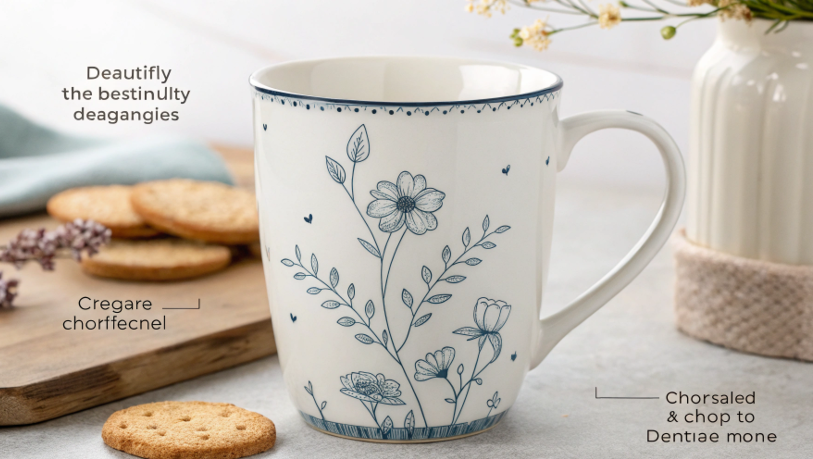
Dive Deeper: The Trade-Off for Classic Beauty
I learned about the fragility of ceramic mugs the hard way. Early in my business, I shipped a large order of custom mugs, and a few arrived broken because of rough handling during transit. It taught me invaluable lessons about packaging and managing client expectations. While ceramic is fantastic, you must be aware of its limitations.
Let's look at the two main disadvantages:
-
Brittleness:
Ceramic is essentially baked clay with a glaze. It's hard but not strong. This means it has very low impact resistance. A short drop onto a hard floor is usually enough to cause a chip, a crack, or complete breakage. This makes them less suitable for kids, travel, or busy environments where accidents are more likely to happen. When selling ceramic mugs, it's important to think about secure packaging for shipping. -
Poor Insulation:
Ceramic is a decent conductor of heat. When you pour a hot liquid into a ceramic mug, the heat quickly transfers through the walls of the mug and escapes into the air. Your hand feels warm holding the mug, which is cozy, but it means your drink is rapidly cooling down. A cup of coffee might lose significant heat in just 15-20 minutes, which is a major drawback for anyone who isn't a fast drinker.
These factors don't make ceramic mugs "bad," but they define their ideal use case: a safe, indoor setting where you plan to enjoy your beverage relatively quickly.
Is it better to drink from stainless steel or ceramic?
You're choosing a daily-use cup and safety is your top priority. You hear different things about stainless steel and ceramic and want to know which one is truly better for you.
Worrying about what your drinkware is made of can be stressful. You just want a safe, simple, and pleasant drinking experience without concerns about chemicals or weird tastes.
From a health and safety standpoint, both food-grade ceramic and 18/8 stainless steel are excellent choices. Ceramic is completely inert, so it never imparts any taste. Stainless steel is non-reactive and rust-proof, but some users can detect a slight metallic taste.
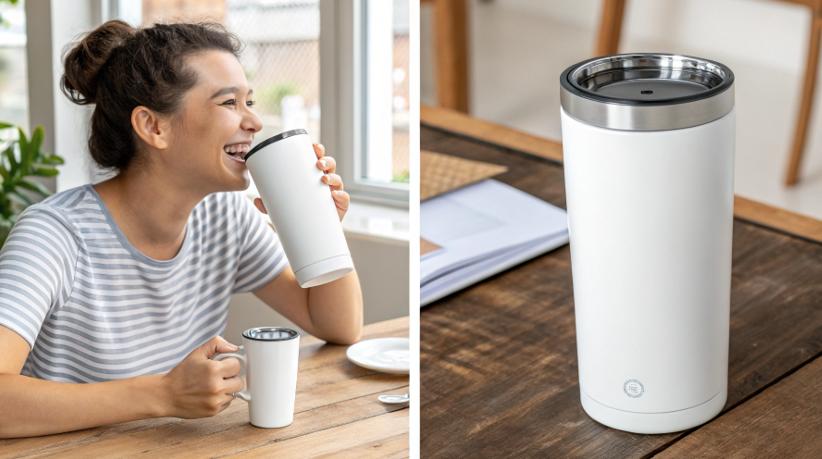
Dive Deeper: Taste, Purity, and Peace of Mind
Ensuring product safety is the most important part of my job. I only source materials that meet food-grade standards because I'm not just selling a product; I'm selling something people will use every single day. For a designer like Emma, recommending a safe material is non-negotiable.
Here’s how the two materials stack up on safety and taste:
-
Ceramic:
- Purity: High-quality ceramic with a lead-free glaze is one of the purest materials you can drink from. It’s completely inert, meaning it will not leach any chemicals or flavors into your drink, ever. It’s a neutral vessel that lets you taste your drink, not the cup.
- Cleanliness: The smooth, glazed surface is non-porous, making it very easy to clean and resistant to stains and lingering odors from past drinks.
-
Stainless Steel:
- Purity: Look for "18/8" or "304" grade stainless steel. This type is food-safe, rust-resistant, and BPA-free. It’s extremely durable and won't leach harmful chemicals. I make sure all my steel tumblers are made from this specific grade.
- Taste: While it is non-reactive, some people with sensitive palates report a faint metallic taste, especially with plain water. This often diminishes over time with washing. High-quality steel is less likely to have this issue.
- Cleanliness: Can be slightly harder to clean around complex lid mechanisms.
For the purest taste experience, ceramic has the edge. For worry-free durability combined with excellent safety, stainless steel is a fantastic choice.
What holds heat better, ceramic or stainless steel?
You pour a fresh, hot coffee, but get pulled into a meeting. When you get back, it's lukewarm. You need a mug that works as hard as you do.
Constantly having to microwave your coffee is annoying. You want a cup that keeps your drink at the perfect temperature for longer, but you're not sure which material does it best.
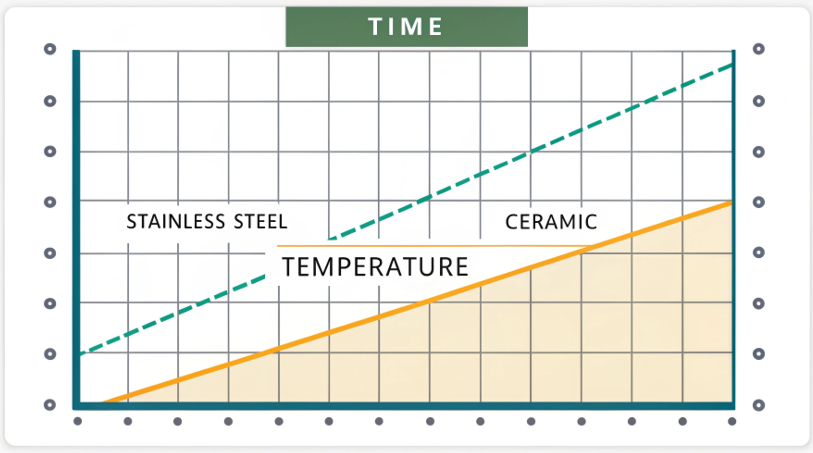
Stainless steel holds heat significantly better than ceramic. A double-walled, vacuum-insulated stainless steel tumbler can keep a drink hot for hours, while a ceramic mug will lose most of its heat in under an hour.
Dive Deeper: The Science of a Warm Drink
This is one of the most practical questions and the answer lies in simple physics. I often have to explain this to clients who want the "best of both worlds" — the look of ceramic with the performance of steel. Unfortunately, the materials themselves dictate the results.
Here’s why stainless steel is the clear winner for insulation:
-
Ceramic (A Conductor): As mentioned, ceramic is a conductor. Heat from your coffee naturally flows through the ceramic walls and escapes into the surrounding air. A thick ceramic mug will slow this process down slightly compared to a thin one, but the heat loss is still rapid and unavoidable. It’s designed to transfer heat.
-
Stainless Steel (An Insulator): A good stainless steel tumbler isn't just one layer of metal. It is double-walled and vacuum-insulated.
- Double Wall: There's an inner wall and an outer wall.
- Vacuum: The air between these two walls has been pumped out, creating a vacuum.
- The Result: Heat cannot easily travel through a vacuum. This technology traps the heat (or cold) inside the cup, preventing it from escaping. This is why a drink can stay hot for 6+ hours in a quality tumbler, while the outside of the cup remains cool to the touch.
If keeping your drink hot (or your iced tea cold) is your number one priority, there is no contest. Vacuum-insulated stainless steel is the superior technology for temperature retention.
Conclusion
Choose ceramic for classic style and perfect print detail in safe settings. Choose stainless steel for unbeatable durability and temperature control on the go. Your best choice matches the cup’s future lifestyle.

Hi there! I'm Lucy, the guardian angel of two good children. During the day, I am a professional in the heat transfer printing industry, from factory workshops to running my own business. Here I share what I have learned - let's grow together!