Dye Sublimation vs Regular Sublimation: Is There a Difference?
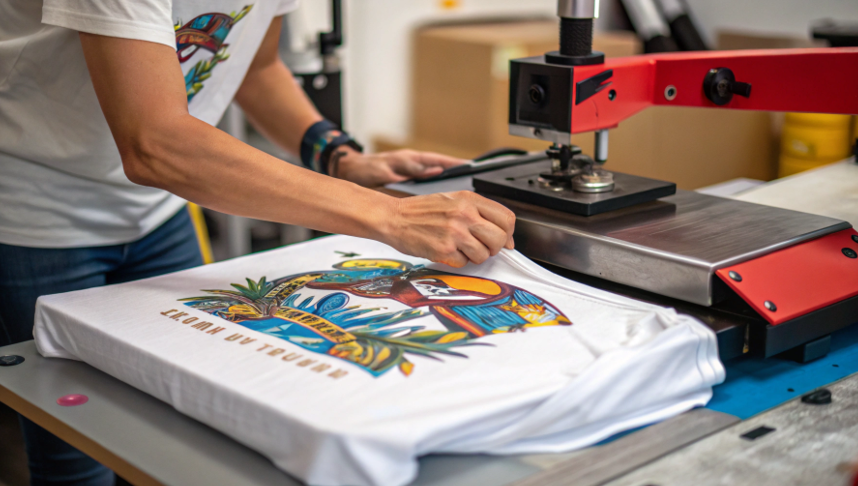
Confused by the different terms for sublimation? Using the wrong one can make you sound inexperienced. I'll explain the simple truth so you can speak with confidence.
There is no difference between dye sublimation and regular sublimation. They are the same printing process. The term "dye" simply refers to the solid ink that turns into a gas and infuses into the material. People use "dye sublimation" to be more descriptive, but it's not a separate technology.
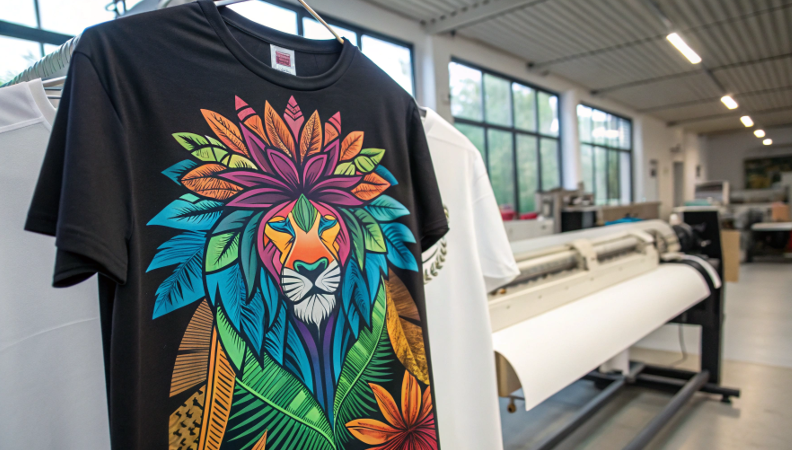
When I first started in the factory, I heard both terms and wondered if I was missing something. Was there a special kind of sublimation I didn't know about? It turns out, there wasn't. It’s just one of those industry things where different names are used for the exact same process. Knowing this helps you cut through the noise and focus on what really matters: what you can create with this amazing technology. Let's look at some specific areas where this terminology pops up and clear up any confusion.
What does dye sublimation mean in keycaps?
Seen premium "dye-sub" keycaps online? You might be wondering if they are worth the extra cost. Let's break down exactly what that term means for your keyboard.
In keycaps, dye sublimation means the letters and graphics are permanently infused into the plastic. The ink becomes part of the keycap itself, so the design will never fade, chip, or wear away from typing, unlike cheaper printed or sticker-based methods.
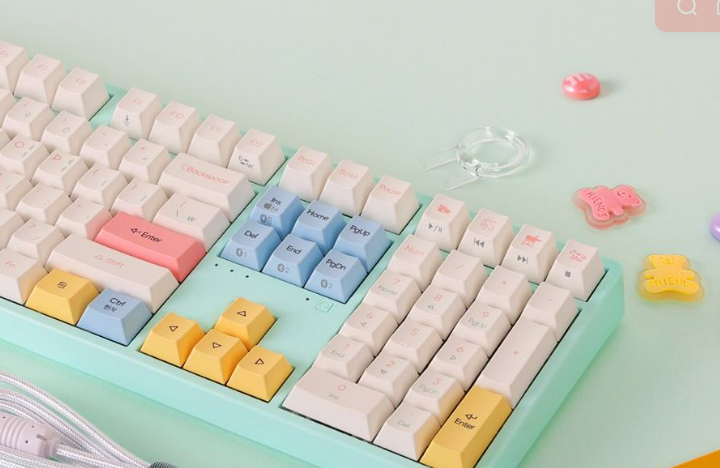
The world of custom mechanical keyboards is a great example of high-value sublimation. Keycaps take a beating from constant finger contact and oils. Cheaper methods simply can't hold up. From my experience with different plastics, the material choice is crucial here. [Dye sublimation for keycaps] is almost always done on PBT (polybutylene terephthalate) plastic, not the more common ABS plastic. PBT is a tougher material that can handle the high heat of the sublimation press without warping. This process creates a keycap that not only looks amazing but feels premium and is built to last a lifetime. The legend feels smooth because it's in the plastic, not sitting on top of it.
Keycap Printing Method Comparison
| Feature | Dye Sublimation | Pad Printing | Laser Engraving |
|---|---|---|---|
| Durability | Excellent (Permanent) | Poor (Wears off) | Good (Can get grimy) |
| Feel | Perfectly smooth | Slightly raised | Etched in |
| Color Options | Full, vibrant colors | Limited | None (Exposed plastic) |
| Best For | Premium, long-lasting custom designs | Cheap, mass-produced keyboards | Backlit keyboards |
This is why enthusiasts pay a premium for dye-sub keycaps. It's the ultimate combination of custom design and extreme durability.
What is the drawback of a dye sublimation printer?
Are you thinking about buying a sublimation printer? The high-quality results are tempting, but you're worried about the potential downsides and hidden costs that might come with it.
The main drawback of a dye sublimation printer is its material limitation. It only works on polyester fabrics (or high-polyester blends) and specially coated hard surfaces. It cannot print directly onto 100% cotton or uncoated materials, which limits your product range.
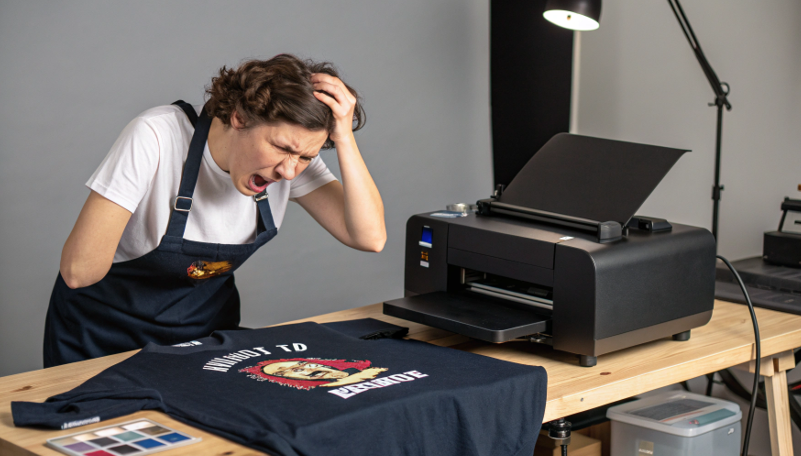
I learned this lesson the hard way early in my career. A client brought me a box of beautiful pure cotton shirts, wanting a vibrant photo printed on them. I had to explain that my sublimation printer couldn't do it. It was a lost sale and a valuable lesson. The science is simple: the dye ink needs polyester fibers or a special polymer coating to bond with. Without it, the design will just wash right off. This is the biggest hurdle you face with sublimation. Secondly, sublimation doesn't have white ink. The printer uses the white of the substrate as its "white." This means you can't sublimate on dark-colored fabrics or items because the colors won't show up correctly.
Main Sublimation Limitations
- Material Specificity:
- Fabrics: Requires at least 65% polyester content for a decent image, and 100% for full vibrancy.
- Hard Goods: Must have a special polymer coating. You can't just grab any mug from the store; it has to be a "sublimation blank."
- Color Limitations:
- No White Ink: You can only print on light-colored or white items. A yellow design on a blue shirt will look green.
- Light Substrates Only: Sublimation is a transparent dye process, so it cannot be used on black or dark-colored surfaces.
Understanding these drawbacks from the start helps you plan your business, choose the right products, and avoid disappointing your customers.
What are the benefits of dye sublimation?
Wondering why so many businesses choose sublimation? You see vibrant, permanent prints and want to know what makes this method so special compared to other printing techniques.
The main benefit of dye sublimation is the stunning quality and durability. It produces vibrant, photo-realistic images that are permanently infused into the material. The print won't crack, peel, or fade, and because the dye is a gas, it creates smooth gradients without dots.
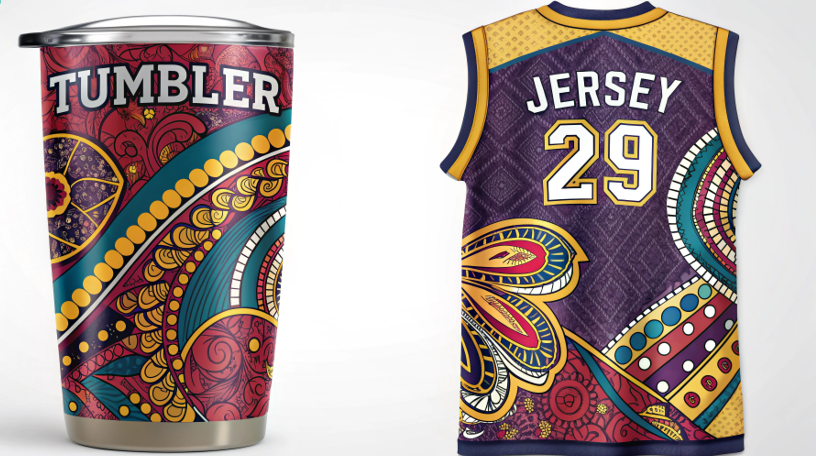
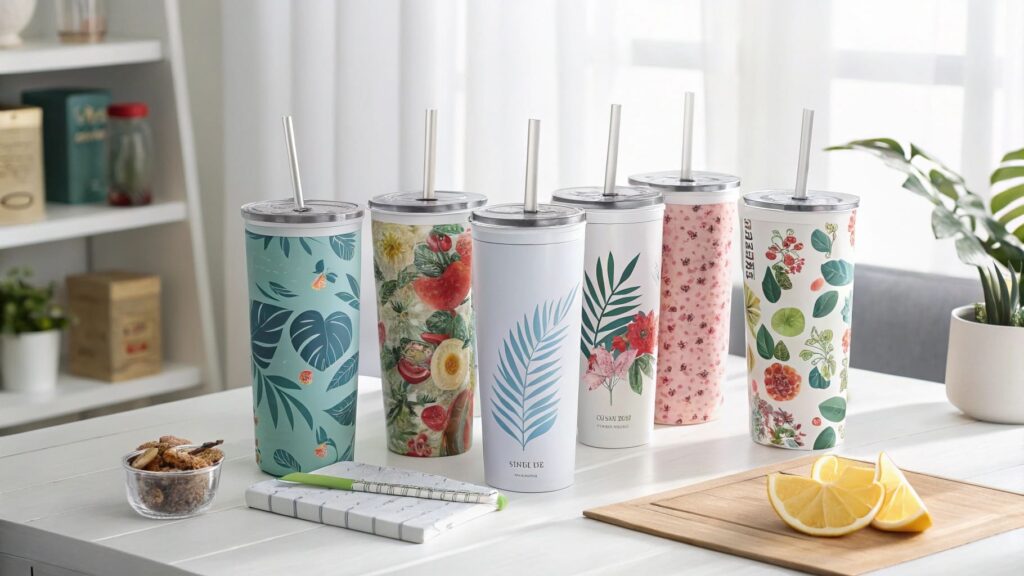
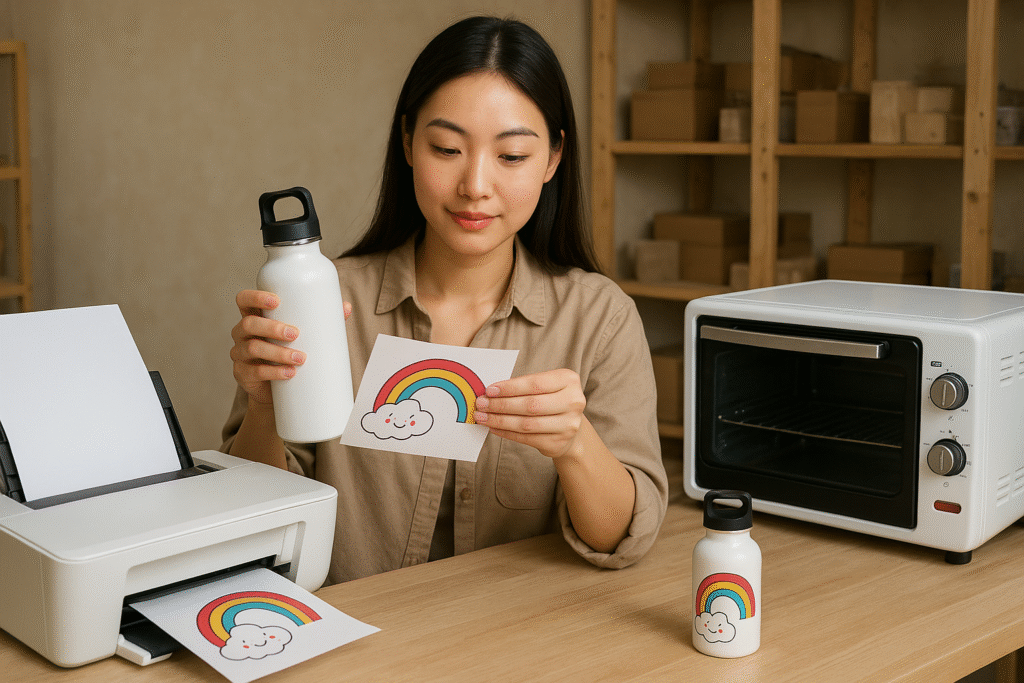
The first time I pulled a freshly pressed tumbler from my heat press, I was hooked. The way the colors popped was unlike anything I had seen with other methods. That's the magic of sublimation. Because the ink turns into a gas, it becomes part of the substrate itself. When you run your hand over a sublimated shirt, you can't feel the print at all. This is a huge advantage over methods like heat transfer vinyl (HTV), which leaves a plastic-like layer on top of the fabric that can crack over time. The process is also surprisingly clean and simple once you get the hang of it. You print your design, tape it to your product, and press it. There's no messy liquid ink or complicated screen prep involved.
Top Advantages of Sublimation
- Permanent Quality: The print is scratch-proof and won't fade. It lasts as long as the product itself.
- Full-Color Vibrancy: You can print millions of colors, including detailed photographs and complex gradients, with incredible clarity.
- "No-Feel" Finish: On fabrics, the print is completely breathable and cannot be felt, making it perfect for performance apparel.
- Efficiency: The process is quick for one-offs and small batches, making it ideal for the booming personalization market.
- Versatility on Blanks: You can use the same printer and paper to decorate a huge variety of products, from mugs and tumblers to apparel and mousepads.
What is the difference between dye sublimation and digital printing?
Is sublimation just another form of digital printing? The terms are often used together, causing confusion about where one process ends and the other begins for your business.
Dye sublimation is a type of digital printing. "Digital printing" is a broad category for any method that prints a digital file directly. Sublimation is a specific technique within that category that uses a digital printer with special inks to create a heat-activated transfer.
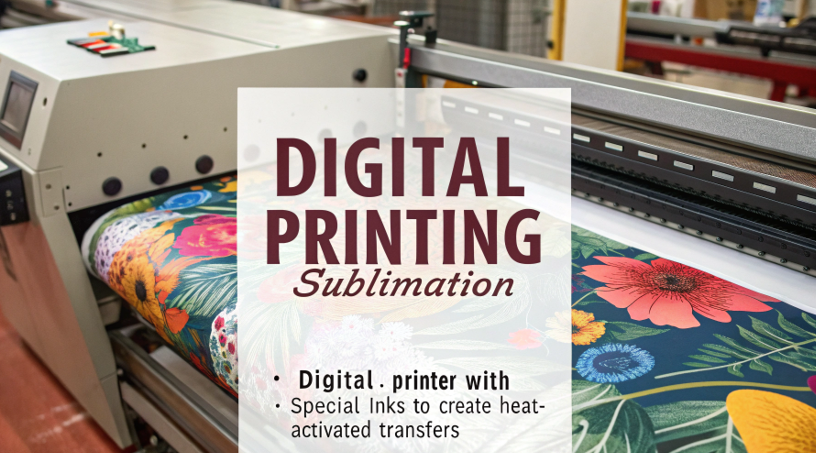
Think of it like this: "Vehicle" is a broad category, but a "sports car" is a specific type of vehicle. It's the same here. "Digital printing" is the big category that replaced old analog methods like screen printing. It includes everything from the inkjet printer on your desk to the huge machines that print billboards. Sublimation printing starts with a digital step—you print your design from a computer onto special paper. However, it then adds a second, crucial step: using heat and pressure to transfer that printed design into the final product. Other digital methods, like Direct-to-Garment (DTG) printing, apply the ink directly onto the item without a separate transfer step.
Digital Printing Methods Explained
| Method | Process Summary | Best For | Key Difference |
|---|---|---|---|
| Dye Sublimation | Print to paper, then use heat to transfer ink as a gas into the substrate. | Polyester fabrics, coated hard goods, vibrant photos. | Two-step process with a heat transfer. |
| DTG (Direct to Garment) | Inkjet printer applies ink directly onto the fabric, which then soaks in. | Cotton fabrics, especially dark ones (uses white ink). | One-step process, ink is applied directly. |
| UV Printing | A printer applies ink to a surface, and UV light instantly cures it. | Hard, rigid, non-coated items like phone cases, wood. | Ink sits on top of the material, not infused. |
So, sublimation is a specialized branch of the digital printing family, defined by its unique heat transfer process that turns dye into gas.
Conclusion
Dye sublimation and regular sublimation are the same thing. This powerful digital process creates permanent, vibrant prints, but it's important to know its limitations with materials before you invest.

Hi there! I'm Lucy, the guardian angel of two good children. During the day, I am a professional in the heat transfer printing industry, from factory workshops to running my own business. Here I share what I have learned - let's grow together!