How Do You Create Custom Logo Water Bottles That People Actually Want to Use?
You need to order custom water bottles, but most options are cheap-looking and uninspired. Nobody wants another plastic bottle with a poorly printed logo.
A low-quality bottle reflects poorly on your brand and ends up in the trash. It's a complete waste of money and a missed opportunity to make a real connection.
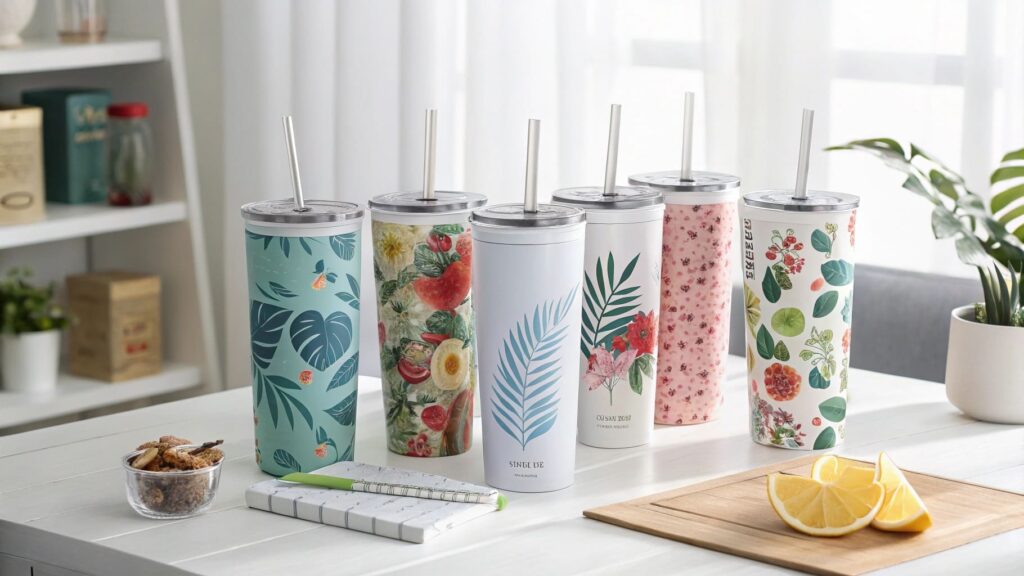
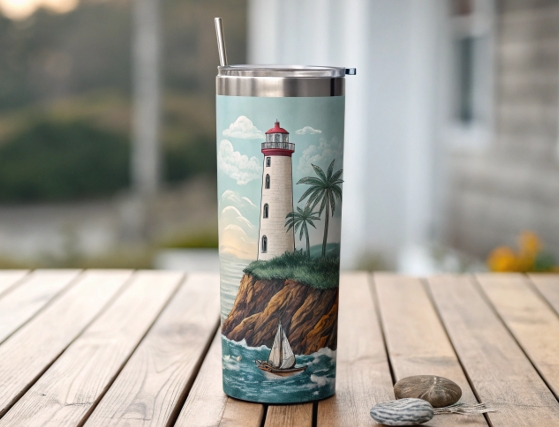
To create a bottle people will love, focus on three things: choose a high-quality material like stainless steel, use a decoration method like sublimation for a stunning design, and create artwork that is stylish, not just a giant logo.
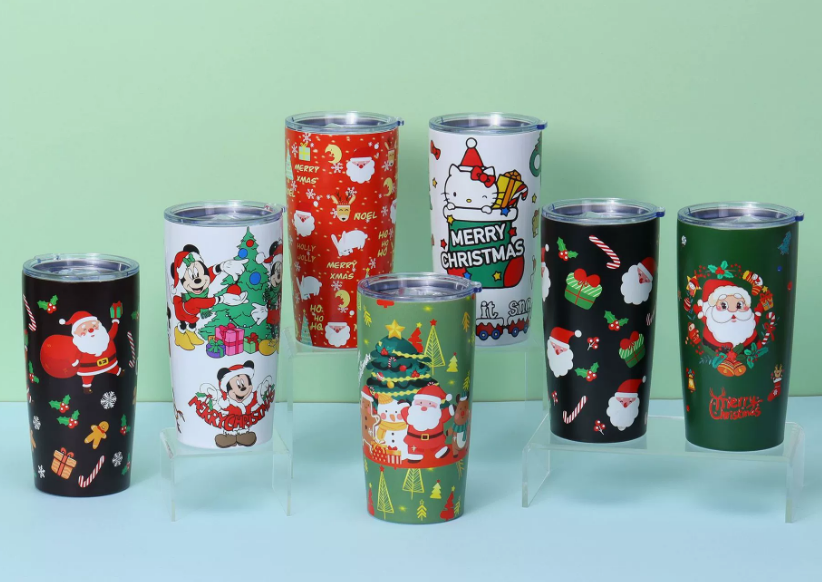
I once had two clients come to me in the same week, both needing water bottles for a trade show. The first client only cared about the lowest price. The second client wanted to create "the best water bottle anyone gets at this show." For the first, we did a simple one-color print on a basic plastic bottle. For the second, we created a full-wrap, artistic sublimated design on a premium insulated stainless steel bottle. Months later, the second client called me. He said his sales team was still hearing from customers who mentioned how much they loved the bottle. That's the difference. One is a throwaway; the other is a relationship-builder.
How do you start a customized water bottle business?
You see the huge demand for custom water bottles and want to start your own business. But the thought of buying all the equipment and blanks is overwhelming.
The fear of investing thousands of dollars into a business that might not succeed can be paralyzing. You don't know where to begin or what to focus on first.
To start a successful water bottle business, begin with a clear niche. Don't try to sell to everyone. Focus on a specific audience, source high-quality blanks, and let your unique designs be your main selling point.
Dive Deeper: Your Roadmap to Launch
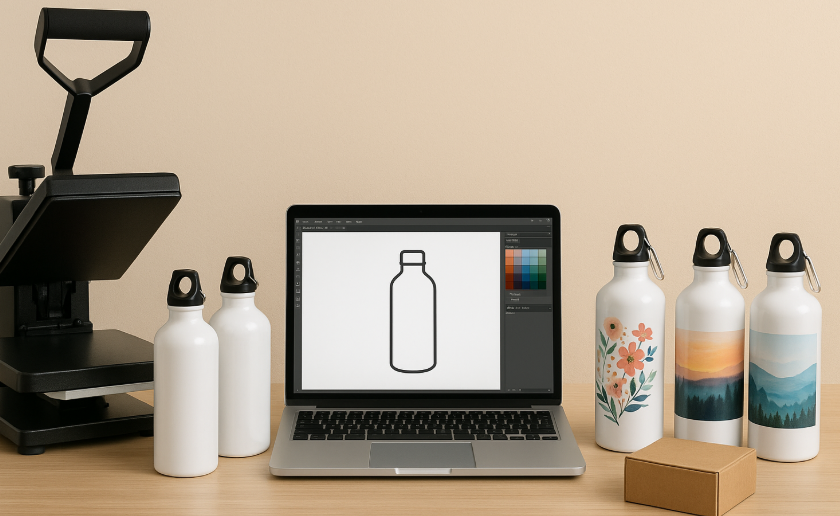
When I expanded my business to include custom drinkware, I didn't just buy a thousand blank tumblers. I started with a very specific idea: creating personalized gifts for local wedding parties. This small focus allowed me to perfect my process before scaling up. This is the ideal approach for a designer like Emma. Your design skill is your biggest asset, so build the business around that, not around trying to compete on price.
Here's a simple, step-by-step plan to get started:
-
Find Your Niche (The Most Important Step): Instead of "custom water bottles," think more specifically. Who are you selling to?
- Local sports teams (schools, little leagues)
- Corporate wellness programs
- Fitness communities (yoga studios, CrossFit gyms)
- Hobbyists (hikers, gardeners, book clubs)
- Special events (weddings, family reunions)
A clear niche dictates your designs, your marketing, and your pricing.
-
Source Smartly: You don't need a huge inventory at first.
- Blanks: Find a reliable sublimation supplier and buy a small test batch of different bottle styles. See which ones you enjoy working with and which ones produce the best results.
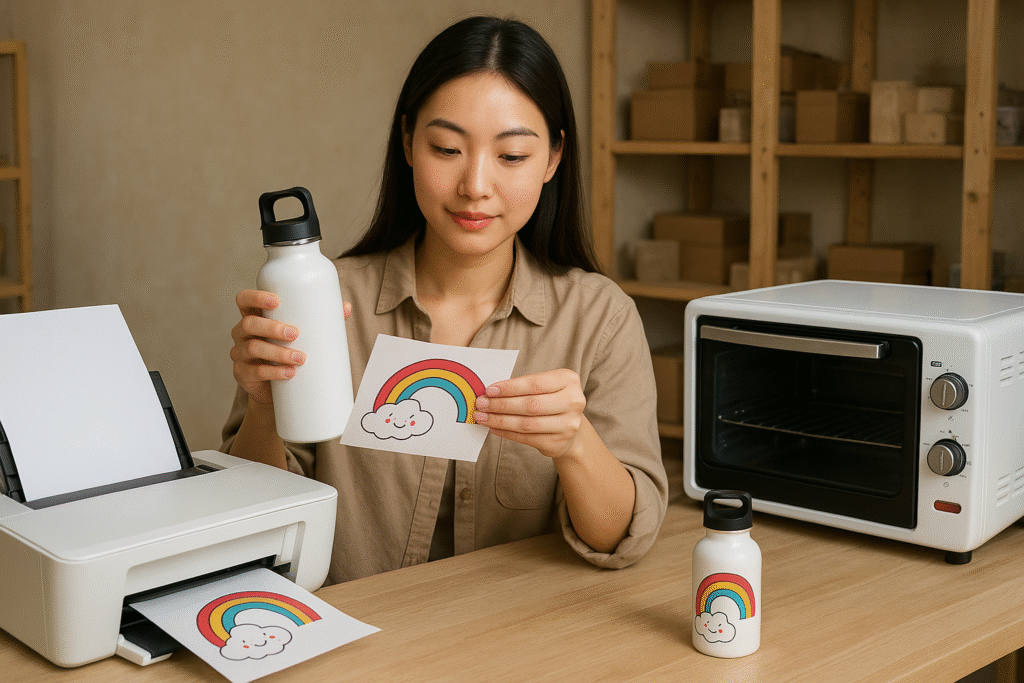
- Equipment: The key items are a quality convection oven or a tumbler heat press specifically designed for drinkware, a sublimation printer, and good quality ink and paper. Don't cheap out on the heat press; consistency is everything.
-
Price for Profit: Don't just cover your costs; pay yourself for your design time. A simple formula to start is:
(Cost of Blank + Cost of Ink/Paper) x 3 = Your Price. This covers your materials, your time, and your profit.
| Phase | Action Item | Pro Tip for Emma |
|---|---|---|
| Phase 1: Research | Define your niche and create 5-10 "dream designs" for that audience. | Use your graphic design skills to create stunning mockups. A great mockup can sell a product before you even make it. |
| Phase 2: Setup | Purchase a starter equipment package and a small batch of blank bottles. | Calibrate your heat press and printer settings with your first few bottles. Document the perfect time, temp, and pressure. |
| Phase 3: Launch | Post your mockups on social media or Etsy. Start taking pre-orders. | Use great photography. Show your bottles in real-life settings that appeal to your niche market. |
Why is Gen Z so obsessed with water bottles?
You see stylish water bottles everywhere, especially with younger people. It seems to be more than just a trend; it's a core part of their identity.
If you don't understand why this trend is happening, you can't create designs that connect with this powerful market. Your products will miss the mark and fail to sell.
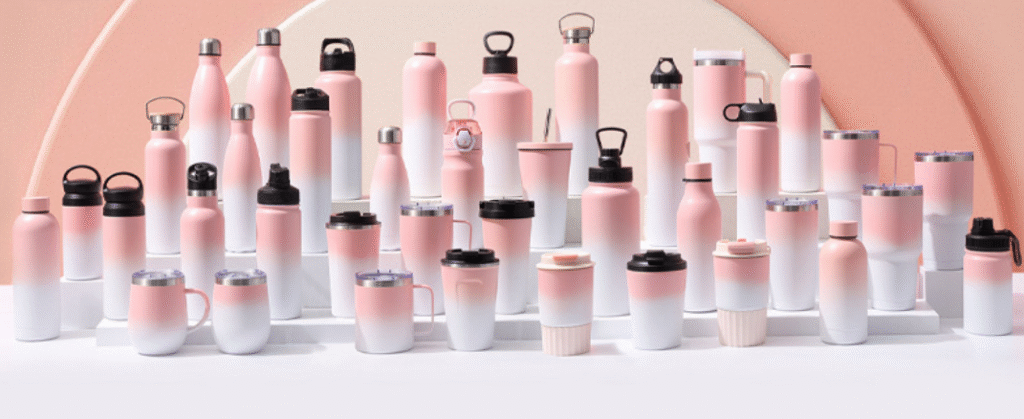
For Gen Z, a water bottle is not just for hydration. It's a personal accessory, a statement of values (sustainability, wellness), and a canvas for self-expression, much like a phone case or a graphic t-shirt.
Dive Deeper: Decoding the "Emotional Support Water Bottle"
As a product designer myself, I find this cultural shift fascinating. The water bottle has been elevated from a simple utility item to a fashion accessory. It's an integral part of the "fit" (outfit). For a designer like Emma, understanding this mindset is the key to creating products that Gen Z will actually buy. They aren't just buying a bottle; they are buying an identity piece.
Let's break down the core drivers of this trend:
-
1. An Accessory for Self-Expression: The water bottle is always in hand, on the desk, or in the gym bag. It's highly visible. Sublimation is the perfect technology for this trend because it allows for the vibrant, full-wrap, and personalized designs that this generation craves. They want designs that reflect their hobbies, their sense of humor, or their aesthetic (e.g., cottagecore, minimalist, Y2K).
-
2. A Symbol of Values:
- Sustainability: Reusable water bottles are a clear statement against single-use plastics. Using one is a small but visible way to demonstrate environmental consciousness.
- Wellness: There is a huge cultural focus on health and hydration. Carrying a water bottle is a public signal that you prioritize your well-being. It's part of the "that girl" aesthetic of being healthy and put-together.
-
3. The "Stanley Cup" Effect (Community & Scarcity): Brands like Stanley have masterfully used social media, influencer marketing, and limited-edition color drops to create a sense of community and hype. People want to be "in the know" and have the latest, most desirable item. This proves that a simple product can become a cultural phenomenon with the right branding and design strategy.
A designer who can tap into these three psychological drivers—self-expression, values, and community—will have a massive advantage in the current market.
How many water bottles do you need to sell to make $100?
You want to start selling water bottles, but you need a realistic idea of the numbers. You need to know how much work it will take to reach a simple financial goal.
Without a clear understanding of your profit margins, it's easy to underprice your products. You could end up selling a lot of bottles but barely making any actual money for your time and effort.
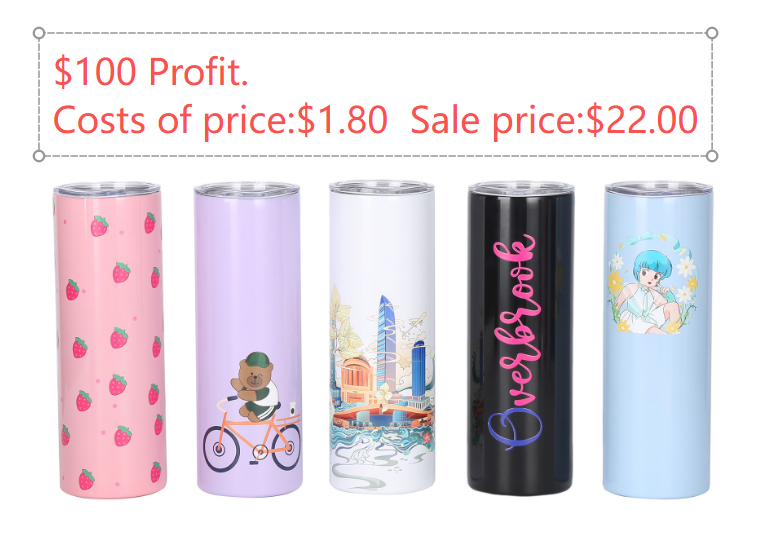
To make a $100 profit, you will likely need to sell between 7 and 10 water bottles, assuming a typical profit margin of $10 to $15 per bottle.
Dive Deeper: A Real-World Profit Calculation
Let's break down the math in a way that's clear and actionable. When I started, I made a spreadsheet just like this, and it was a reality check. It helped me understand that pricing is not just about covering costs; it's about valuing your creative work. For Emma, this calculation is crucial for proving the viability of a new product line to her managers or for starting her own side hustle.
Here is a typical cost and profit breakdown for a sublimated stainless steel water bottle:
| Item | Example Cost | Notes |
|---|---|---|
| Blank Water Bottle (20 oz) | $6.50 | This is an average cost from a good supplier. Price varies with size and quality. |
| Sublimation Paper & Ink | $0.75 | An estimate for a full-wrap design. |
| Shipping Box & Packing | $1.25 | Don't forget this! It's a real cost. |
| Total Cost of Goods (COGS) | $8.50 | This is your direct cost to produce one unit. |
Now, let's look at the path to a $100 profit:
- Sale Price: A custom, beautifully designed sublimated water bottle can easily sell for $25.00. This is a reasonable price on platforms like Etsy or for corporate clients.
- Gross Profit per Bottle:
Sale Price - COGS = Gross Profit
$25.00 - $8.50 = $16.50 - Bottles to Sell for $100 Profit:
Target Profit / Profit per Bottle = Bottles to Sell
$100 / $16.50 = 6.06
So, in this realistic scenario, you need to sell 7 bottles to clear over $100 in profit. This doesn't account for things like marketing costs or platform fees, but it gives you a solid, tangible target.
Is selling water bottles actually profitable?
You're considering entering the water bottle market, but you're worried it's too competitive. You wonder if there's still room to make good money.
The fear of market saturation is real. If you just sell generic bottles with basic designs, you'll be forced to compete on price, and it becomes a race to the bottom with very slim profit margins.
Yes, selling water bottles is extremely profitable if you approach it correctly. The key to profitability is not selling a commodity (a blank bottle) but selling a unique, high-value product through creative design and smart branding.
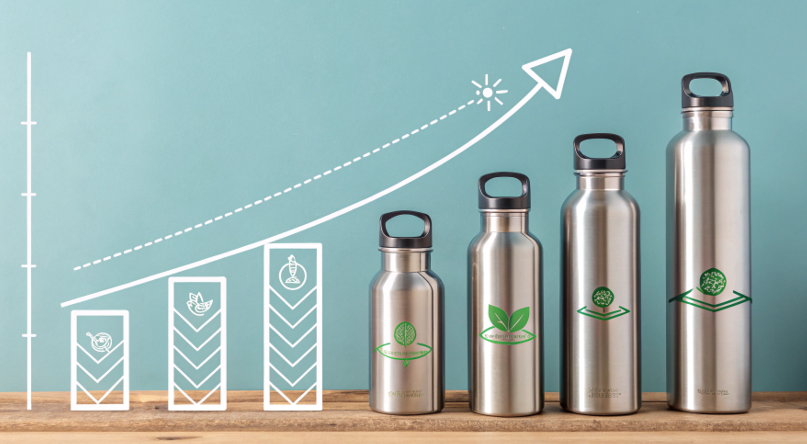
Dive Deeper: Pathways to Profitability
My own business's growth in drinkware is a testament to this. I make a significant portion of my income from custom tumblers and water bottles. But my profit doesn't come from the bottle itself; it comes from the design printed on it. A blank bottle is a $6 piece of steel. A bottle with a design that makes someone laugh or feel seen is a $25 gift. As a designer, Emma is perfectly positioned to capitalize on this value difference.
Here are the key factors that separate a profitable water bottle business from a struggling one:
-
Unique Designs are Everything: This is your #1 advantage. You cannot be a successful seller by using generic, free designs that everyone else has. You must create or commission unique artwork that targets your specific niche. Your design ability is what allows you to command a premium price.
-
Perceived Value is Greater Than Cost: A well-executed sublimation print on a quality bottle looks and feels expensive. The perceived value for the customer is very high. They see a durable, vibrant, and personalized product. The actual production cost, as we saw earlier, is relatively low, leading to excellent profit margins.
-
Multiple Target Markets: The demand for custom water bottles is diverse, which means you have multiple ways to make money.
| Market | What They Want | How to Profit |
|---|---|---|
| Direct-to-Consumer (Etsy, Social Media) | Hyper-personalization, trendy designs, unique gifts. | High margins per item. Sell one bottle at a time directly to the end user. |
| Corporate & B2B (Businesses, Schools) | Co-branded designs, bulk orders, high-quality gifts. | Lower margin per item, but high profit through volume. One order can be 100+ bottles. |
| Local Community (Teams, Events) | Team logos, event names, sense of community. | Become the go-to person in your local area. Great for repeat business year after year. |
The profitability isn't in the object; it's in the art and the application. By focusing on creating great designs for specific audiences, you can build a very successful and profitable business.
Conclusion
Creating great custom water bottles is about more than just a logo. Focus on quality materials, unique design, and understanding the trends to build a profitable business that people truly value.

Hi there! I'm Lucy, the guardian angel of two good children. During the day, I am a professional in the heat transfer printing industry, from factory workshops to running my own business. Here I share what I have learned - let's grow together!