How do you sublimate keychains?

You see amazing custom keychains and know they could be a great product for you. But your own attempts are faded, blurry, or even scorched. This wastes expensive blanks, kills your confidence, and makes adding this profitable item to your line feel impossible.
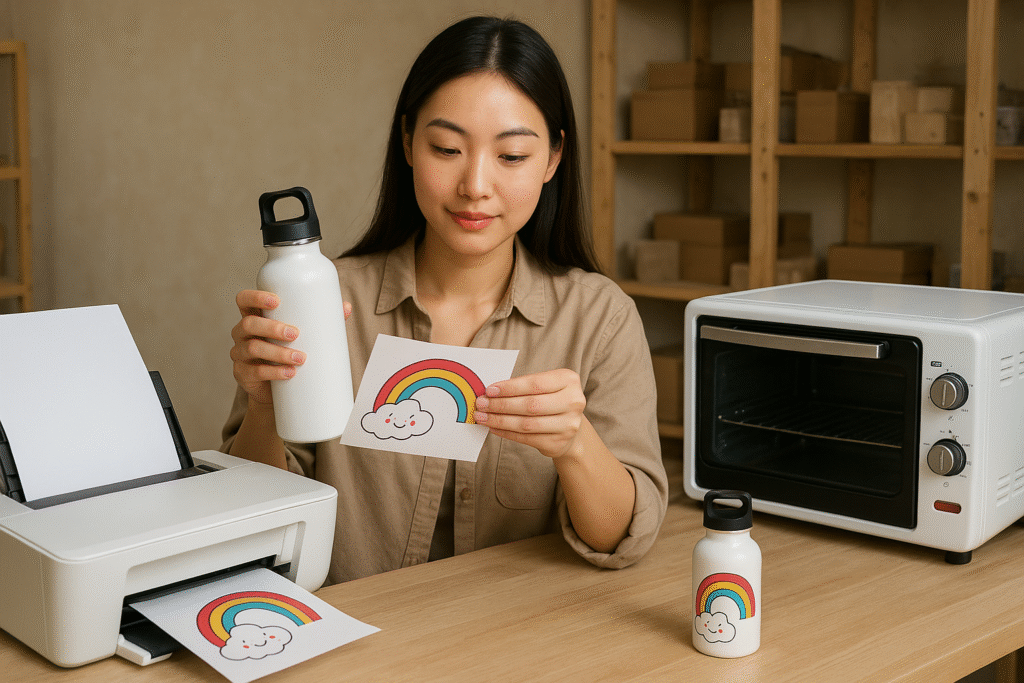
To sublimate a keychain, you print a mirrored design on sublimation paper, tape it to a polymer-coated keychain blank, and press it in a heat press. The secret to a perfect, vibrant result lies in using the precise time, temperature, and pressure for the specific keychain material.
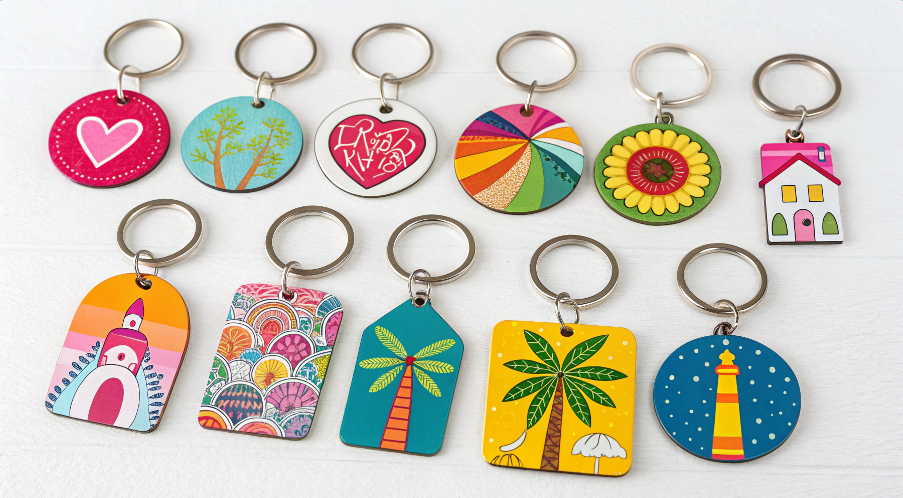
I absolutely love making keychains. When I started my own business, they were one of the first small products I mastered. They are fantastic, high-margin items that are perfect for personalized gifts, corporate swag, or impulse buys. They look simple, and they can be, but like everything in the world of sublimation, the details are what separate a homemade-looking item from a professional, retail-quality product. Let's get into the exact steps and details that I use in my shop to make flawless keychains every single time.
How long does it take to sublimate a keychain?
You're pressing keychains, but the results are inconsistent. Some look perfect, while others are burnt or underwhelmingly faded. Guessing the right press time is a frustrating game that wastes blanks and eats into your profits. Let me remove the guesswork for you.
On average, sublimating a keychain blank takes between 60 to 90 seconds in the heat press. The exact time depends entirely on the material of the blank—MDF wood, metal, or plastic—as well as its thickness and your specific heat press model.
Dive Deeper: It’s a Race Against the Clock
Why isn't there just one magic number for time? Because different materials absorb and transfer heat at different rates. Think of it like cooking: a thin piece of fish cooks much faster than a thick steak at the same temperature. I learned this the hard way with a batch of thick, double-sided MDF keychains. My standard 60-second press time left them looking pale and unsaturated. I had to increase the time to get the heat all the way through the blank to fully activate the ink. For a designer like Emma, knowing how to adapt to different blank types is key to expanding her product line confidently.
-
Why Time Varies by Material:
- MDF (Medium-Density Fiberboard): These are porous and a bit thicker. They need enough time for the heat to penetrate, usually around 60-70 seconds. Too long, and the wood fibers themselves can scorch.
- Metal (Aluminum): Metal heats up very quickly, but you need to give the polymer coating enough time to open its pores. These typically press faster, around 45-60 seconds.
- Plastic/Acrylic (FRP): Fiberglass Reinforced Plastic and other polymers are very efficient. They usually require about 70-90 seconds. They are also prone to warping if overheated, so time is critical.
-
Finding Your Perfect Time:
The times I give are a starting point. Every heat press has its own quirks. The best practice, which I insist on in my shop, is to always test a new batch of blanks. Use a small, simple design and press one. The result will tell you a story.
| Keychain Material | Recommended Press Time | Recommended Temperature | Pressure |
|---|---|---|---|
| MDF Wood | 60 - 70 seconds | 390-400°F / 198-204°C | Medium |
| Metal (Aluminum) | 45 - 60 seconds | 380-390°F / 193-198°C | Light to Medium |
| Plastic (FRP) | 70 - 90 seconds | 380-400°F / 193-204°C | Medium |
What temperature do you heat press sublimation keychains?
You set your press to the usual 400°F, but your keychains are coming out blurry around the edges or a bit yellow. Using the wrong temperature is a quick way to ruin an entire batch of products. Let's dial in the correct temperature for keychain success.
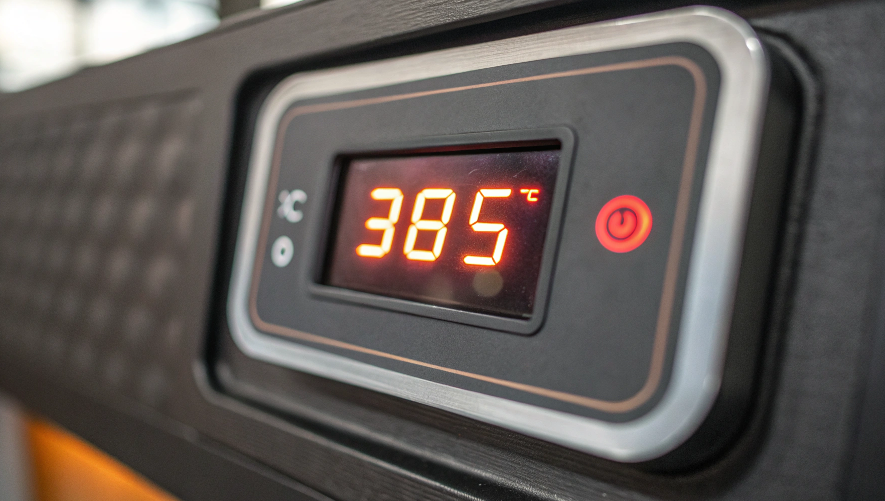
The ideal temperature for heat pressing sublimation keychains is between 380°F and 400°F (193-204°C). The perfect setting depends on the material. Metal and plastic blanks generally do best at the lower end of this range, while MDF wood blanks often require the higher end.
Dive Deeper: The Temperature Sweet Spot
Temperature and time work together as a team. You can't adjust one without considering the other. Temperature is what turns the solid ink into a gas. If it's too low, the ink doesn't fully sublimate, leading to a dull, faded print. If the temperature is too high, the ink can "blow out," which means it spreads too much after turning to gas, causing blurry edges. A temp that's too high can also damage the blank itself, causing plastic to warp or coatings to yellow. I think of it as finding the "sweet spot" where the ink transfers perfectly without scorching the blank.
-
The Double-Sided Keychain Challenge:
This is where technique really matters. How do you print the second side without ruining the first? I learned this lesson the hard way, by being impatient and ruining a small rush order.- Press the first side as you normally would.
- Remove the keychain and the paper. Here's the critical part: let it cool down completely. I place mine on a metal rack or a cool countertop.
- If you try to press the second side while the blank is still hot, the heat from the bottom platen will cause the ink on the first side to sublimate again, ruining the design.
- Once it's cool to the touch, tape your second design on and press it for the same time and temperature. This method ensures both sides are crisp and vibrant.
-
Pressure is a Key Player:
Don't forget the third member of the team: pressure. For hard, flat items like keychains, you typically need medium pressure. This ensures firm, even contact between the paper and the blank's surface. Too little pressure causes splotchy, uneven transfers. Too much can cause the ink to blow out or even damage delicate keychains.
What are the downsides of sublimation?
You love the vibrant results of sublimation, but you're worried about the limitations. Being unaware of the downsides can lead to promising projects to clients that you simply can't deliver on. Let me give you an honest look at the drawbacks.
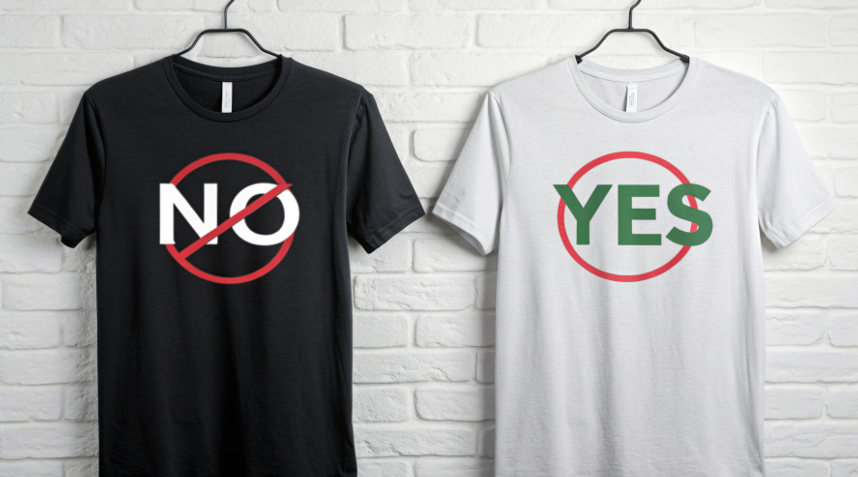
The main downsides of sublimation are that it only works on polyester fabrics or polymer-coated items. It cannot be used on 100% cotton or dark-colored materials, as the dye is transparent and needs a white or light-colored background to be visible.
Dive Deeper: Know Your Limitations to Sell Smarter
Every printing method has its pros and cons. When I started my business, understanding sublimation's limitations was just as important as knowing its strengths. It allowed me to guide my clients toward the right products and avoid making promises I couldn't keep. Instead of seeing them as "downsides," I see them as "rules of the game." Knowing these rules allows a designer like Emma to design products that will print successfully and manage client expectations from the start, which builds trust and a reputation for expertise. It's not about what you can't do; it's about being the expert on what you can do, and why it's the best choice.
Let's break down the key limitations:
- The Polyester Rule: As we've discussed, the chemical process of sublimation requires polyester polymers. This means you can't just grab any keychain from a craft store. You must use blanks specifically sold for sublimation that have a polymer coating. This applies to all sublimation items, from fabric to mugs.
- The "No White Ink" Problem: Sublimation printers do not use white ink. The process uses transparent dyes (Cyan, Magenta, Yellow, Black). Any "white" in your design is simply the printer leaving that area blank, so the white color of the keychain or fabric shows through. This has two major implications:
- No Printing on Dark Colors: You cannot sublimate on a black or dark-colored item. A transparent yellow dye printed on a black keychain is still a black keychain. Sublimation requires a white or very light-colored substrate.
- Color Matching on Non-White Items: If you print a blue design on a yellow keychain, the final color will be green. The dye mixes with the base color of the item. This is why 99% of sublimation blanks are pure white.
What sublimation items sell best?
You've mastered the technique, but now you need to make money. You're not sure which products to focus on, and you don't want to invest in a pile of blanks that won't sell. Let's look at the items that consistently perform well.
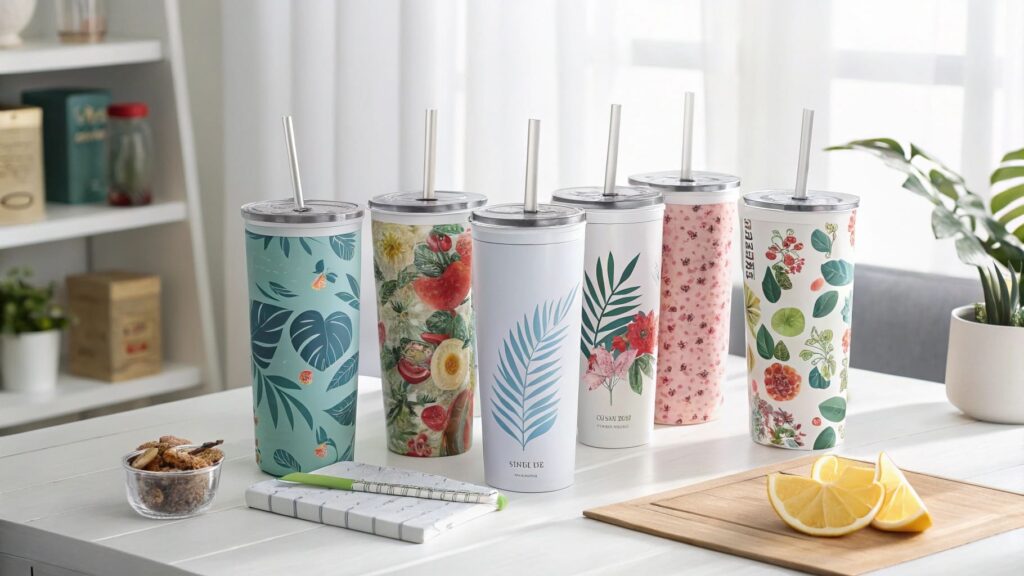
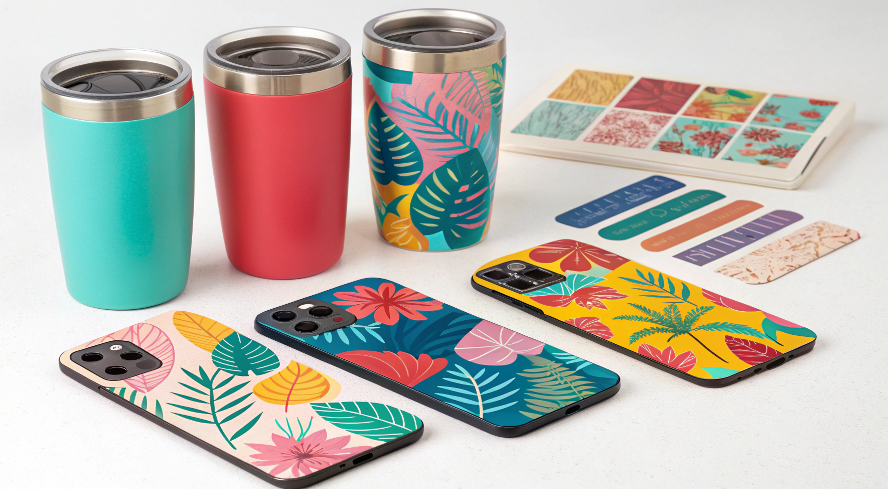
The best-selling sublimation items are typically personalized and giftable products. Top performers include custom tumblers and mugs, personalized apparel (especially pet and family photos), photo panels, and small, high-margin impulse buys like keychains, coasters, and phone grips.
Dive Deeper: Finding Your Profitable Niche
When I built my business, I didn't try to sell everything at once. I started with tumblers and mugs because the profit margin is excellent and the demand for personalized drinkware is constant. Then I added keychains as a perfect, low-cost add-on item. The key is to find products that align with what customers are actively searching for, especially in the gifting and personalization markets. Success isn't just about printing well; it's about selling smart. For a designer like Emma, her creative skills are a huge asset. She can create unique designs in popular niches that stand out from the generic templates.
Here are some of the most profitable categories and why they work:
-
Drinkware (Tumblers, Mugs, Water Bottles):
- Why it Sells: These are everyday items that people love to personalize. They are top-tier gifts for holidays, birthdays, and corporate events. The perceived value of a custom tumbler is much higher than its production cost.
- Pro Tip: Create bundles. Offer a matching mug and coaster set. Create designs for specific niches: nurses, teachers, dog lovers, etc.
-
Photo Gifts (Keychains, Photo Panels, Ornaments):
- Why it Sells: This is the heart of the personalization market. People love seeing their family, pets, or favorite memories on physical products. The emotional connection drives sales. Photo keychains are a fantastic entry point because they are low-cost to produce and make great small gifts.
- Pro Tip: Market these heavily around holidays like Christmas, Mother's Day, and Father's Day. Offer simple "upload your photo" options on your website.
-
Apparel (for specific niches):
- Why it Sells: While the competition is high, apparel for specific, passionate niches sells very well. Think local sports teams, funny sayings for an occupation, or trendy graphic designs. The "vintage" look on poly-blends is also very fashionable.
- Pro Tip: Don't just sell t-shirts. Explore performance wear for gyms, custom socks, or all-over-print bandanas.
Conclusion
Sublimating keychains is a simple, profitable process once you master the right settings. Pay close attention to time and temperature for each material, and understand the core limitations of sublimation to guide your clients effectively.

Hi there! I'm Lucy, the guardian angel of two good children. During the day, I am a professional in the heat transfer printing industry, from factory workshops to running my own business. Here I share what I have learned - let's grow together!