How Do You Sublimate on Milk Glass Mugs for a Perfect Vintage Finish?

You found beautiful, opaque milk glass mugs, but your sublimation attempts are a nightmare. The colors are dull and the frosted finish seems to reject the ink, wasting expensive and unique blanks.
To successfully sublimate on milk glass, use a mug with a special polymer coating. You'll need a longer press time, typically 180-240 seconds at 380-400°F (193-204°C), with very light pressure to get vibrant colors without damaging the unique finish.

I remember when I first discovered sublimation milk glass mugs. I was looking for something different to offer a client who owned a boutique gift shop. She wanted a vintage, almost nostalgic feel that standard white ceramic couldn't provide. My first few tests were awful. I used my standard ceramic mug settings, and the images came out faint and blurry. It took a lot of experimentation, but when I finally dialed in the longer time and lighter pressure, the result was stunning. The opaque glass gave the colors a soft, warm quality that was an instant hit. Let's get you those same results.
Can you sublimate on a glass mug?
You see clear and frosted glass mugs and immediately imagine stunning designs. But your first test fails, leaving a blurry mess and making you doubt if it's even possible.
Yes, you can sublimate on glass mugs, but only if they are specifically sold as "sublimation blanks." These mugs have an invisible polyester coating that is essential for the ink to bond with the glass surface.
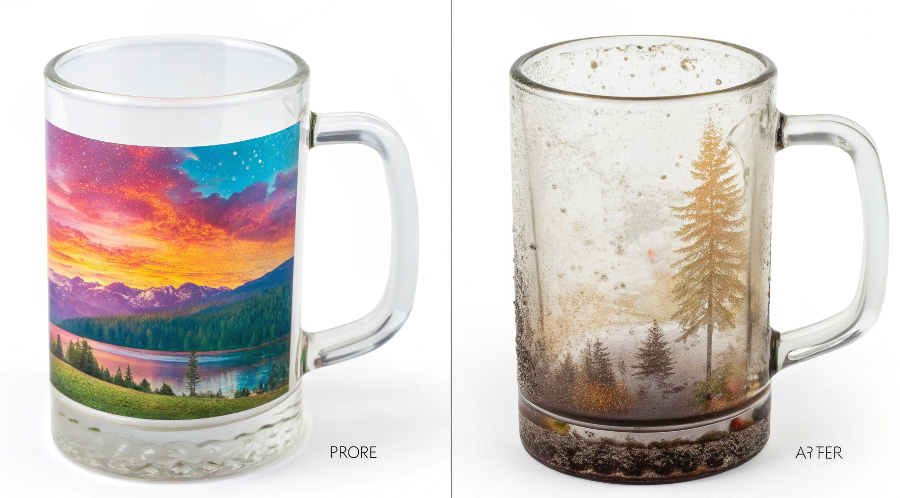
Just like with ceramic, you cannot use any ordinary glass mug from a home goods store. The magic is in the coating. Without that special polymer layer, the sublimation ink has nothing to fuse with. There are a few different types of sublimation glass mugs, each with its own unique look and ideal use. Milk glass, with its opaque, milky-white appearance, is fantastic for a retro or vintage aesthetic. My product specialist, Alex, calls it a "built-in soft-light filter" because it diffuses the colors slightly, giving them a warm, gentle quality. For designs to pop on milk or frosted glass, I often increase the color saturation in my design file by about 10-15%. This compensates for the semi-opaque surface and ensures the colors look rich and full, not washed out.
| Glass Mug Type | Appearance | Best For | Pro Tip |
|---|---|---|---|
| Clear Glass | Completely transparent | Elegant logos, text, or floating designs | Less vibrant colors; best for dark inks. |
| Frosted Glass | Semi-transparent with a matte feel | Full-wrap images that look soft and ethereal | Colors will be muted; boost saturation. |
| Milk Glass | Fully opaque, white, often matte | Vintage or retro designs, full-color photos | Gives a warm, nostalgic feel to images. |
Can I sublimate mugs from Dollar Tree?
You're in a dollar store and see a stack of mugs for just a buck. Your mind races with the profit potential. It feels like a brilliant shortcut, but it's actually a dead end.
No, you cannot sublimate on mugs from Dollar Tree. These mugs are standard, uncoated ceramic or glass. They lack the essential polymer coating needed for sublimation, and any attempt will result in a complete failure.
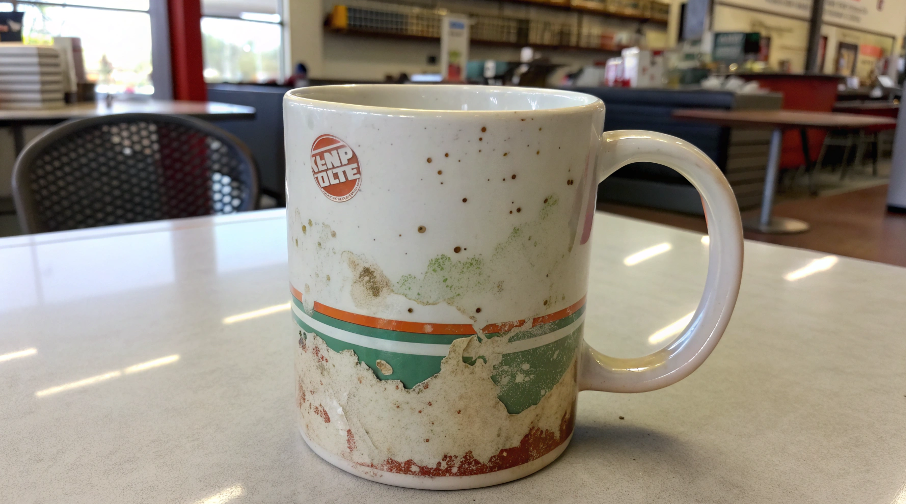
I get asked this question more than any other, and my answer is always the same: don't do it. It's a false economy. You think you're saving money, but you are actually paying to create garbage. Every time you press one of these mugs, you waste the mug itself, your expensive ink, your special paper, and your valuable time. The result is always a disappointment—a faint, brownish stain that you can wipe away. Think of buying a proper sublimation blank not as a cost, but as an investment in a professional, sellable product. Your brand reputation depends on the quality you deliver. Using the wrong materials from the start guarantees a poor-quality outcome and can damage your credibility with customers. There are no secret hacks or shortcuts that can bypass the basic chemistry of this process. It's a simple rule: no coating, no sublimation.
What kind of mugs can you sublimate on?
You've mastered the standard white ceramic mug, but you feel limited. You want to offer more variety to your customers but aren't sure which mugs will actually work with your setup.
You can sublimate on any mug specifically manufactured with a polyester polymer coating. This opens up a huge variety of options beyond the standard white ceramic, including glass, stainless steel, glitter, and even color-changing mugs.

Learning to work with new materials was how I grew my business from a small operation to something much bigger. Each type of mug appeals to a different customer and opens a new market for you. The key is to remember that each one may require slightly different time, temperature, and pressure settings. Always test a new type of blank before starting a large production run. Expanding your product line is one of the best ways to grow your business, and the sublimation world offers some amazing options. Offering a diverse range shows your customers that you are a versatile and creative professional.
| Mug Type | Material/Feature | Best For | Market Appeal |
|---|---|---|---|
| Standard Ceramic | Ceramic | Everyday use, photos, logos | The reliable, best-selling workhorse |
| Milk/Frosted Glass | Glass | Vintage designs, artistic text | Boutique, gift shop, high-end feel |
| Stainless Steel | Metal | Travel mugs, tumblers | Outdoor, corporate, and on-the-go customers |
| Glitter Mugs | Ceramic + Glitter Coat | Fun, sparkly, personalized gifts | Bachelorette parties, birthdays, novelty items |
| Color-Changing Mugs | Heat-sensitive Ceramic | Surprise reveals, novelty, "magic" gifts | All ages, great for promotions and fun |
How long do sublimation mugs last?
A customer inspects your beautiful mug and asks, "Will the design wash off?" You know it's durable, but you stumble, unable to explain why it's a premium, permanent product.
A properly sublimated image is permanent and will last for the entire life of the mug. The ink is infused directly into the mug's special coating, so it will not peel, crack, fade, or wash away with normal use.
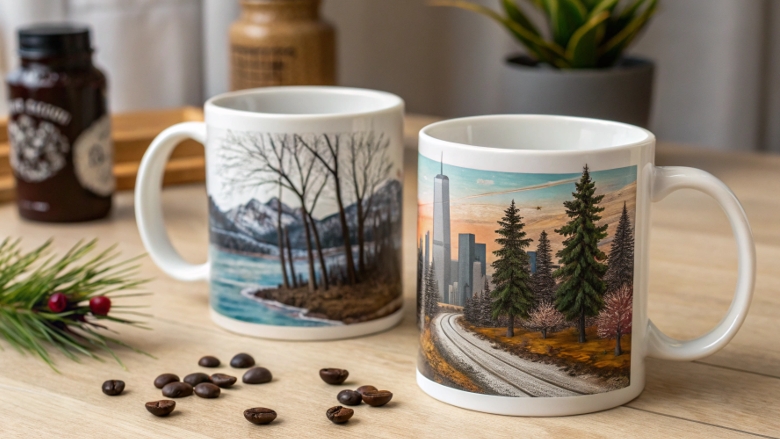
This is your biggest selling point, so be confident about it. The science is what makes sublimation so amazing. Unlike a vinyl decal, which is just a sticker glued to the surface, sublimation ink becomes part of the mug itself. When heated, the solid ink turns to gas and bonds with the polymer coating. You can't even feel the design because it's inside the surface layer. Alex, my transfer specialist, notes that high-quality sublimation easily achieves a colorfastness rating of Grade 4-5, the highest possible. This means it's incredibly resistant to fading from washing. Most sublimation mugs are top-rack dishwasher safe and can withstand hundreds of washes without losing their vibrancy. You are selling a premium, permanent item. That quality and longevity are what justify the price and build a brand that people trust. It's not a sticker; it's a tattoo for your mug.
Conclusion
Success with milk glass and other mugs is simple. Use the right coated blanks, learn the specific settings for each material, and confidently sell a permanent, high-quality product.

Hi there! I'm Lucy, the guardian angel of two good children. During the day, I am a professional in the heat transfer printing industry, from factory workshops to running my own business. Here I share what I have learned - let's grow together!