How to Make Custom Pet T-Shirts with Sublimation Printing?
Your custom gift business is missing a huge, passionate market. Pet owners are desperate for unique ways to show off their furry family members, but your current offerings don't appeal to them.
Sublimation allows you to create vibrant, full-color pet portraits on t-shirts. This turns the powerful emotion of pet ownership into a highly profitable and in-demand product line for your business.
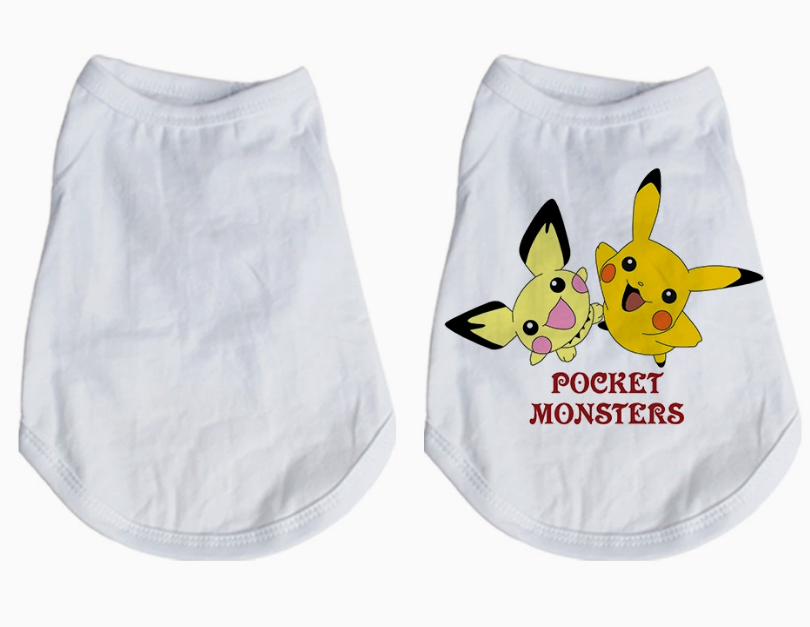
To make a custom pet t-shirt, use a sublimation printer to print a high-resolution photo of the pet onto sublimation paper. Then, using a heat press, transfer the design onto a light-colored, high-polyester-content t-shirt for a permanent, photo-realistic result that will never peel or fade.
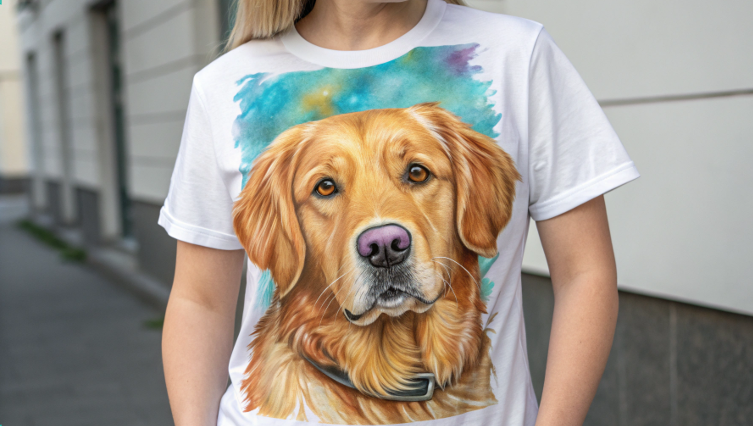
I'll never forget the first pet memorial shirt I made. A friend's beloved cat had passed away, and she was heartbroken. As a gift, I took her favorite photo of him, cleaned it up, and sublimated it onto a soft t-shirt. When I gave it to her, she just held it and cried. It wasn't just a shirt; it was a way for her to keep him close. That moment taught me that the pet product market isn't about accessories; it's about love. This is one of the most powerful and rewarding niches you can enter as a custom gift maker, and your sublimation equipment is the perfect tool for the job.
Can you use a sublimation printer to make t-shirts?
You bought a sublimation printer for mugs and tumblers and now you're wondering if that investment can do more. You're hesitant to try apparel, fearing you might need different equipment or that the results won't last.
This hesitation is limiting your product catalog and cutting you off from the massive, profitable custom apparel market. Yes, your sublimation printer is the perfect tool for making t-shirts, as long as you use the right type of fabric.
Yes, you can use a sublimation printer to make high-quality, full-color t-shirts. The critical requirement is that the shirt must have a high polyester content (at least 50%, but 100% is best for vibrancy) and be light-colored, as sublimation ink doesn't show up on dark fabrics.
Dive Deeper: The Science of Fabric Choice
This is where the technical details matter, and it's what separates the pros from the hobbyists. For a designer like Emma, understanding the "why" behind fabric choice is key to delivering a premium product. The magic of sublimation is that the ink turns into a gas and bonds directly with polyester fibers. It doesn't work on natural fibers like cotton.
-
The Polyester Rule: Sublimation ink only binds to polyester. It's a chemical reaction. A 100% cotton shirt will look faded and wash out completely after the first laundry cycle because the ink has nothing to hold onto. Think of it like trying to dye plastic with a plant-based dye; it just won't stick.
-
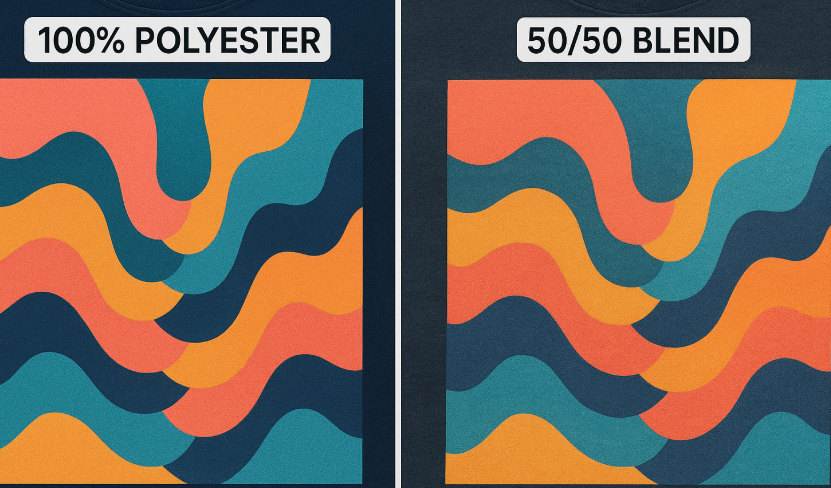
Understanding Blends: Many popular shirts are polyester/cotton blends. Sublimation will only dye the polyester threads in the shirt. This can be used to create a specific look.
| Polyester % | Resulting Look | Best For |
|---|---|---|
| 100% Polyester | Vibrant & Photographic: Colors are incredibly bright and details are razor-sharp. This is the professional standard for photo-realistic pet portraits. | High-end photo gifts, performance wear, anything where color pop is a priority. |
| 50-65% Polyester | Vintage & Retro: The image will be less vibrant and have a faded, "worn-in" look. The colors will appear muted because half the fabric threads are undyed cotton. | Trendy, fashionable designs, brands that want a retro aesthetic. Might not be ideal for a super-realistic pet portrait but great for text and logos. |
| Below 50% Polyester | Unpredictable & Faded: Not recommended for commercial sale. The image will look very dull and will continue to fade with each wash. | Avoid this. It will lead to unhappy customers who think your product is low quality. |
My advice? Start with 100% polyester shirts that are specifically "spun" to feel like cotton. Brands like A-Sub and Cricut make fantastic blanks that are soft to the touch but give you that perfect, vibrant print every pet owner will love.
How to start a pet clothing brand?
You love the idea of a pet-focused brand, but you feel overwhelmed. The market seems crowded, and you don't know how to stand out and build a brand that people will remember and buy from.
To start a pet clothing brand that succeeds, you must find a hyper-specific niche within the pet market. Develop a unique design style for that audience, create phenomenal product photos, and market your brand on social media platforms like Instagram and TikTok where pet lovers gather.
Dive Deeper: From Pet Lover to Brand Owner
This is where your creativity truly pays off. Starting a brand was the best decision I ever made. It transformed me from a job-doer into a business-builder. The key is niching down. Don't just be a "pet brand." Be the brand for a specific type of pet owner. Emma's design skills are perfectly suited for this. She can create an entire aesthetic that no one else has.
Step 1: Find Your Hyper-Niche
The pet market is huge. You need to narrow it down.
- Breed Specific: Be the go-to brand for Corgi lovers, Golden Retriever parents, or Sphynx cat enthusiasts.
- Personality/Humor: Create edgy, funny sayings for sassy cats or goofy dogs.
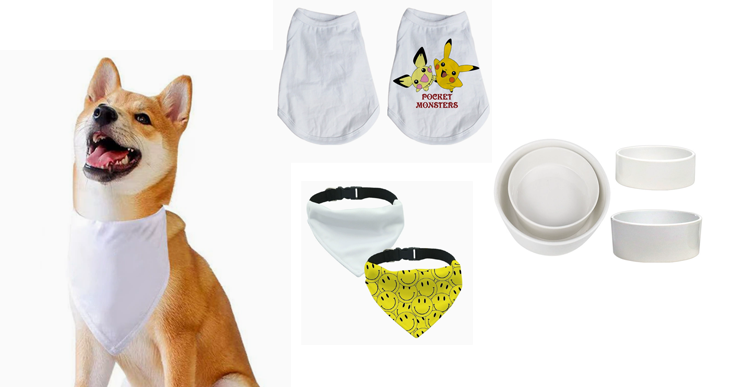
- "Pet & Parent" Matching Sets: This is a massive trend. Offer matching sublimated t-shirts for humans and bandanas or shirts for their pets.
- Memorial & Sentimental: Focus on high-quality pet portraits and memorial gifts. This is a lower-volume but very high-margin and meaningful niche.
Step 2: Create Your Brand Identity & Product Line
Once you have your niche, build the world around it.
- Brand Name & Logo: Choose a name that speaks to your niche. "The Sassy Spaniel" is better than "Dog Shirts Co."
- Product Line: Don't just sell one thing. For a pet brand, you can offer a whole collection. A matching set could include: a human t-shirt, a dog t-shirt, a sublimated dog bandana, and even a custom-printed mug. This increases your average order value.
Step 3: Market Where Pet Lovers Live
- Visual Social Media is Key: Instagram, TikTok, and Pinterest are your best friends. Your marketing should be 90% cute photos and videos of pets using your products.
- Collaborate: Partner with "petfluencers" (pets with large social media followings). Send them a free product in exchange for photos and a shout-out. One post from the right dog account can lead to hundreds of sales. This is far more effective than traditional advertising.
You're building your pet brand, but you want to offer more than just apparel. You see metal dog tags and wonder if you can customize them with your sublimation setup, or if you need a whole new engraving machine.
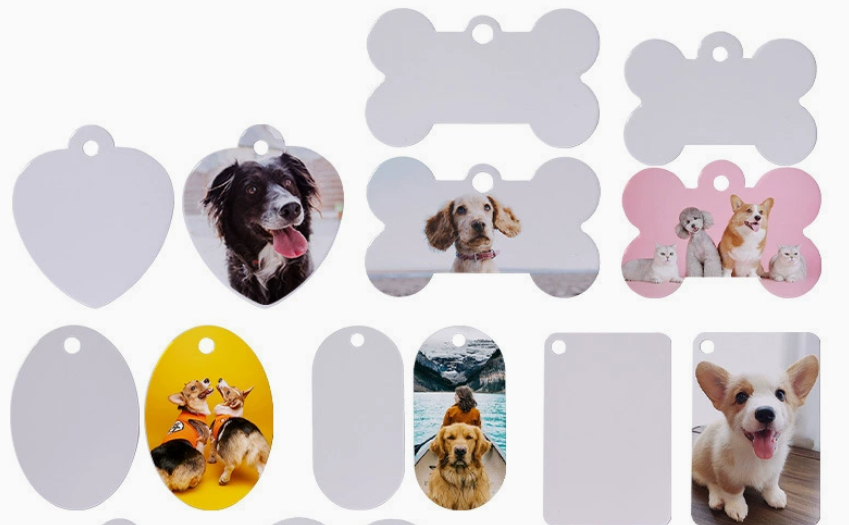
Yes, you can absolutely sublimate on dog tags, and the results are fantastic. You just need to purchase dog tag blanks that have a special polymer sublimation coating. This allows you to print full-color photos and designs directly onto the metal.
Dive Deeper: Expanding Your Product Line with Metal Blanks
This was a major "aha!" moment for me. Realizing I could use my existing heat press to print on hard substrates like metal opened up a whole new world of products. Photo dog tags are a perfect add-on to any pet-themed order.
For a designer like Emma, this is an exciting new canvas. The process is almost identical to pressing a t-shirt, but the substrate is rigid.
The Process for Sublimating Dog Tags:
- Get the Right Blanks: This is the most important step. You cannot sublimate onto any random piece of metal. You MUST buy blanks that are labeled "for sublimation." They have a special clear polymer coating that the ink adheres to. They are readily available from any major sublimation supplier.
- Print & Tape: Print your design (a tiny photo, name, phone number) on sublimation paper. Remember to mirror the image, especially if it has text. Securely tape the design onto the dog tag using high-temperature tape. Any movement will cause ghosting.
- Use a Flat Heat Press: Place the taped dog tag on your press, with the paper side on top. Cover it with a sheet of butcher paper.
- Press According to Instructions: The time and temperature for metal are different from fabric. It's usually around 400°F (204°C) for 60-75 seconds, but always follow the instructions from your blank supplier. They know the exact settings for their specific coating.
- Hot Peel & Cool: When the time is up, open the press. Be very careful—the metal tag will be extremely hot! Use heat-resistant gloves to remove it and peel off the paper immediately. Place it on a heat-resistant surface to cool down completely.
The result is a permanent, scratch-resistant, and waterproof design that's far more vibrant and detailed than traditional engraving. You can offer a photo on one side and contact info on the other, making it a high-value, practical item for any pet owner.
How to turn your shirt into a dog shirt?
You have a cool design idea for a dog shirt but no dog-sized blanks on hand. Or maybe a customer wants a matching set and you can't find the exact same color shirt for their pet. You're stuck and might lose the sale.
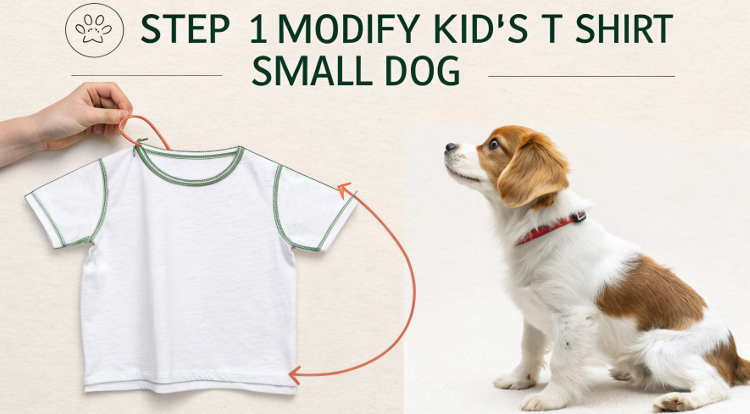
This is a clever DIY hack that can save the day. You can easily turn a child-sized human t-shirt into a custom dog shirt by cutting and modifying it. This is a great solution for creating prototypes or one-of-a-kind matching outfits.
Dive Deeper: The Quick & Creative No-Sew Method
Sometimes, you just have to get creative! This is a trick I've used more than a few times when I was in a pinch for a very specific color or for a last-minute gift. It's perfect for creating quick samples to photograph or for a fun personal project. While you'll want to use proper dog apparel for your main product line, this is a fantastic skill to have in your back pocket.
This is a fun, hands-on task that someone like Emma could use to quickly prototype an idea before committing to a bulk order of specific dog apparel.
The Easiest No-Sew Method:
- Choose the Right Size: Start with a child's t-shirt. A toddler-sized shirt (2T-4T) works well for small to medium dogs like terriers or pugs. A youth small or medium can work for larger breeds. Always opt for a high-polyester blend so you can sublimate on it before you cut.
- Sublimate Your Design: First, press your pet-themed design onto the chest of the flat, uncut t-shirt. It's much easier to print on it now than after it's been cut.
- The First Cut (Sleeves): Lay the shirt flat. Cut off both sleeves along the seam. This creates the leg holes for the dog.
- The Second Cut (The Belly Curve): The big difference between a human shirt and a dog shirt is the cutout for the belly. With the shirt still flat, cut a curved "U" shape out of the bottom half of the front side of the shirt only. This prevents the shirt from getting in the way when the dog walks or goes to the bathroom. Start small; you can always cut more.
- Try It On: Put the modified shirt on the dog. The neck of the human shirt is now the neck for the dog, the armholes are for their front legs, and the curved cutout gives their belly freedom.
This no-sew hack is a quick, easy, and surprisingly effective way to make a custom-fit dog shirt in minutes. It's a testament to the fact that in the custom gift business, creativity and resourcefulness are just as important as your equipment.
Conclusion
Tapping into the pet market with sublimation is a smart, profitable move. By mastering fabric choices, building a niche brand, and expanding your product line with items like dog tags, you can create a business that resonates deeply with passionate pet owners.

Hi there! I'm Lucy, the guardian angel of two good children. During the day, I am a professional in the heat transfer printing industry, from factory workshops to running my own business. Here I share what I have learned - let's grow together!