Is Sublimation Coating Safe for Daily Use Drinkware?
You love the vibrant, permanent designs of sublimated drinkware, but a nagging question stops you: is that coating actually safe to drink from every day?
The fear of unknown chemicals leaching into your morning coffee or your child’s water bottle is a serious concern. It can stop you from buying or selling these beautiful products confidently.
Sublimation coatings on drinkware from reputable suppliers are food-safe. They are made from specialized polymers that become stable and non-toxic after being heat-pressed and are required to pass food-contact safety standards.

When I started my business, this was my number one concern. Before I sold a single mug, I had to be 100% certain that the products I was creating were completely safe for my clients and their families. I spent countless hours speaking with manufacturers and reading safety certifications. Now, I can confidently say that when you use high-quality, certified materials, sublimation drinkware is as safe as any other standard cup on your shelf. This guide is built on that research and experience, so you can have the same peace of mind.
Is the sublimation coating actually food safe?
You see the term "food-safe" used everywhere, but you're not sure if it really applies to sublimation coatings. The word "coating" itself can sound artificial and untrustworthy.
This doubt can hold you back. You can't confidently sell a product or give it as a gift if you have a lingering fear that it might be harmful.
Yes, high-quality sublimation coatings are food-safe. The coating is a specific polymer that becomes inert once cured by heat. It is regulated and must pass safety tests to be sold for drinkware.
Dive Deeper: Understanding "Inert" and Industry Regulations
The key word here is "inert." When I first started, learning what this meant gave me a lot of confidence. An inert substance is something that is chemically inactive. Once the polymer coating is applied to the mug and cured through the sublimation heat press process, it becomes a solid, stable surface. It's like a thin layer of very hard, non-toxic plastic bonded to the cup. It does not react with your drink, it does not leach chemicals, and it does not break down under normal use.
Think of it this way: many food storage containers are made of plastic, but only specific types that are rated as food-safe. It's the same principle here. Manufacturers of sublimation blanks must adhere to strict regulations to sell their products, especially in markets like the US and Europe. They are tested to comply with standards set by organizations like the FDA (Food and Drug Administration). For a product designer like Emma, demanding compliance certificates from suppliers is a crucial step in her professional workflow. I personally refuse to work with any supplier who cannot provide safety documentation. The risk is simply not worth it.
So, what exactly is this sublimation coating made of?
You hear the term "polymer," and it sounds like a complex chemical you wouldn't want near your mouth. The mystery of the material itself is a major source of concern.
Not knowing the exact material feels like a huge risk. How can you reassure a customer about safety when you don't even know what the product is made of?
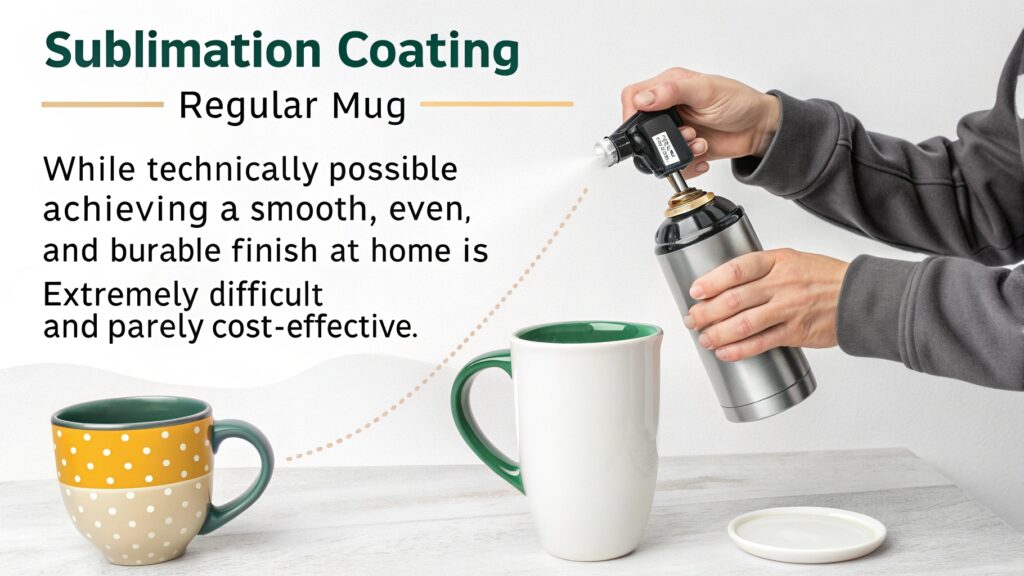
Sublimation mugs are coated with a special heat-sensitive polymer resin. This is essentially a liquid form of polyester that is applied to the mug and then cured to create a permanent, print-receptive layer.
Dive Deeper: From Liquid Resin to a Solid, Safe Surface
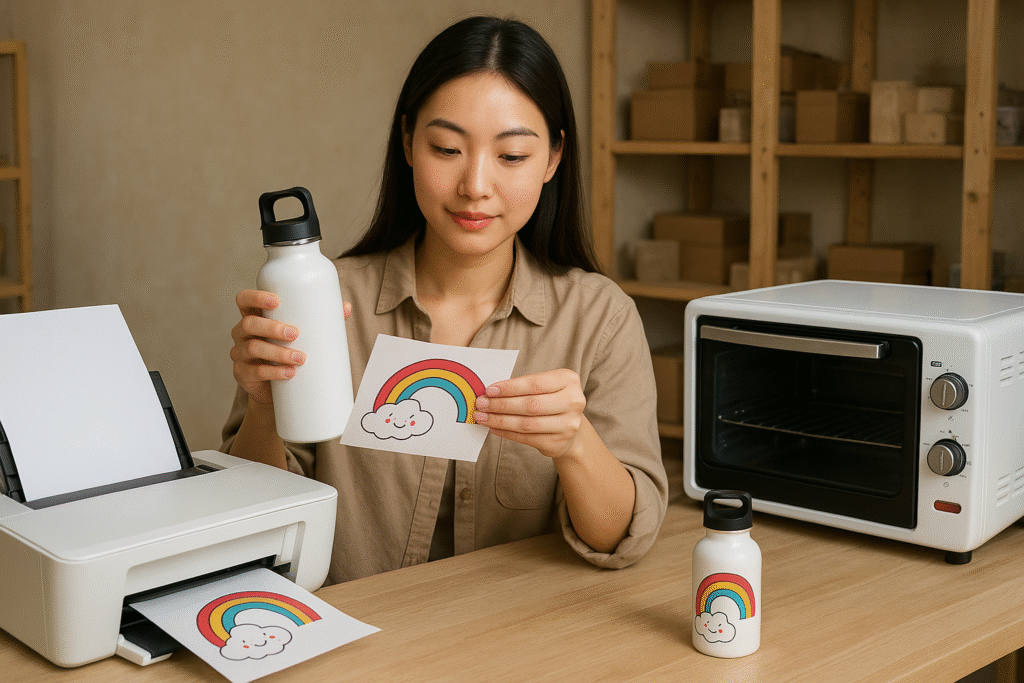
Understanding the "how" really demystifies the material. The process is quite straightforward. A blank ceramic mug is not naturally receptive to sublimation ink. To prepare it, manufacturers apply a very thin, perfectly even layer of this liquid polymer resin.
Here's a simple breakdown of that industrial process:
- Application: The mugs are either sprayed with or dipped into the liquid polymer solution to get a consistent coating.
- Curing: The coated mugs are then baked in large ovens at high temperatures. This baking process, known as curing, does two things. It hardens the liquid resin into a solid, durable surface, and it permanently bonds that surface to the ceramic mug.
- The Final Product: The result is a sublimation blank. The cured coating is a solid, clear layer that is now part of the mug. It’s smooth, glossy, and, most importantly, stable. This polyester-like layer is what your sublimation ink is designed to bond with.
I always explain to my clients that the coating isn't just something sitting on the surface; it's baked onto it. This ensures it won't chip or flake off into your drink. It is a purpose-built surface designed for safety and permanence.
Are the fumes from the sublimation process harmful to humans?
You start your heat press and notice a faint smell. Immediately, you worry if the fumes from the hot ink and coating are toxic to breathe in.
The fear of inhaling harmful chemicals can make you dread the production process. You might even avoid doing sublimation altogether because of concerns for your health or your family's health.
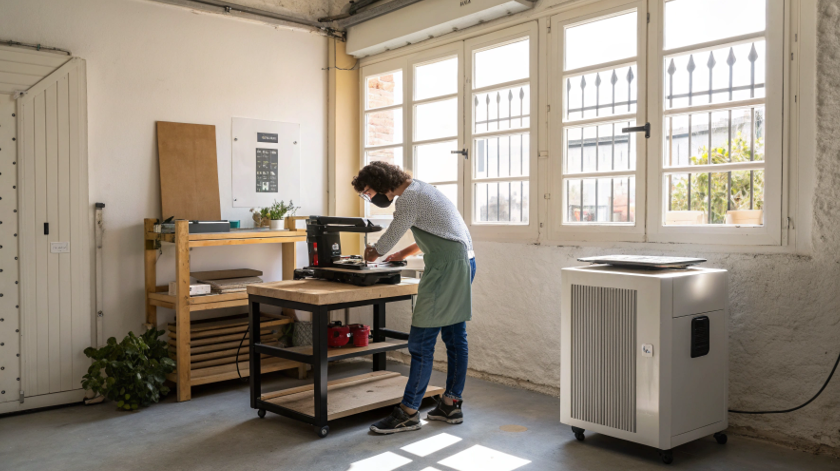
When sublimating, you should always work in a well-ventilated area. The process releases fumes that can be irritating. Using an air purifier and ensuring good airflow minimizes any potential risk.
Dive Deeper: Ventilation is Your Best Friend
Let’s be direct and honest about this: heating anything, especially ink and coated materials, will release fumes. The question is how to manage them safely. Sublimation ink, when heated, turns into a gas. That’s how it transfers. This gas, along with any vapors from the paper or coating, is what you smell. While these fumes are not considered highly toxic from quality materials, constant, concentrated exposure is not a good idea for anyone. Irritation to the eyes, nose, and throat can occur in a poorly ventilated space.
My workshop is my livelihood, so I take safety seriously. Here is my personal safety protocol, which I recommend to everyone:
- Ventilate, Ventilate, Ventilate: This is the most important rule. I have a window open whenever I am pressing. If you are in a basement or a room without windows, invest in a fan to circulate air out of the room.
- Use an Air Purifier: I run a HEPA filter air purifier right next to my heat press. It is specifically designed to capture fine particles, chemicals, and VOCs (Volatile Organic Compounds) from the air. This is a game-changer for indoor air quality.
- Consider a Mask: If you are doing large production runs for hours at a time, or if you are particularly sensitive, wearing a respirator mask with vapor cartridges provides an extra layer of protection.
Safety is about smart practices. Sublimation is a safe business to run from home, as long as you respect the process and ensure you have fresh air.
Can you sublimate on drinking glasses?
You want to expand your product line beyond ceramic and steel. You see beautiful clear glass mugs and tumblers and wonder if you can sublimate on them.
Trying to sublimate on a standard glass from the store will only lead to failure. The ink won't transfer, and you will have wasted your time and materials.
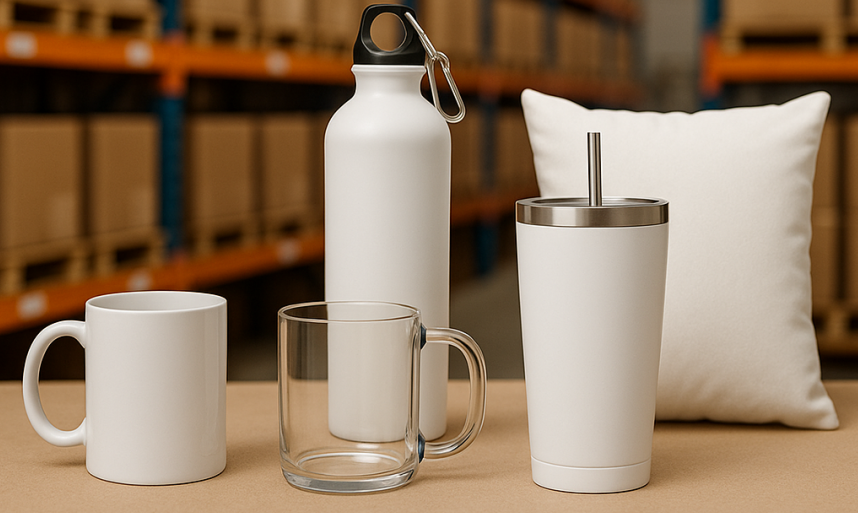
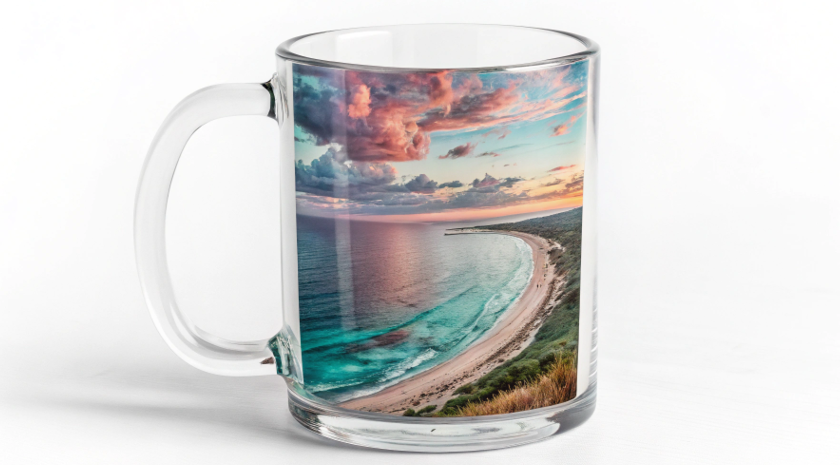
Yes, you can sublimate on glass, but only on glass that has the special sublimation polymer coating. Standard, uncoated glass will not accept the sublimation ink.
Dive Deeper: The Magic of Coated Glass
Sublimation on glass is one of my favorite techniques because the results are so unique. The process is identical to working with ceramic. You need to find a supplier that sells "sublimation glass blanks." These are glass items that have gone through the same coating process with the same polymer resin.
However, there are a few key differences you need to know about when designing for glass:
- Translucency: Sublimation ink is transparent. On a white ceramic mug, the white background makes the colors appear opaque and bright. On clear glass, the colors will be translucent, like stained glass. This can be a beautiful effect, but it's something a designer like Emma must account for. Light colors like yellow might be very faint, while dark colors like black will be strong but still see-through.
- Frosted vs. Clear: You can buy both clear and frosted sublimation glass. Frosted glass provides a semi-opaque background that can make colors pop a bit more than on purely clear glass, giving you another creative option.
- Heat Settings: Glass can be more sensitive to heat than ceramic. It's crucial to follow your blank supplier's recommended time, temperature, and pressure settings precisely to avoid cracking or discoloration.
Sublimating on coated glass is a fantastic way to offer premium, elegant products. Just remember the golden rule of sublimation: if it's not coated for sublimation, it won't work.
Conclusion
When you use certified, high-quality blanks and work in a ventilated space, sublimation drinkware is completely safe for daily use. It's a reliable and beautiful way to create personalized products.

Hi there! I'm Lucy, the guardian angel of two good children. During the day, I am a professional in the heat transfer printing industry, from factory workshops to running my own business. Here I share what I have learned - let's grow together!