Sublimation Printing: Everything You Need to Know in 2025?
Sublimation seems complex and ever-changing. Focusing on the wrong products or tech wastes money and kills your passion. Let's simplify and focus on what you need to know now.
In 2025, success in sublimation hinges on knowing what sells (personalized items), understanding new technologies like DTF, confirming its profitability through smart niche selection, and mastering the strict rules of required materials like polyester.
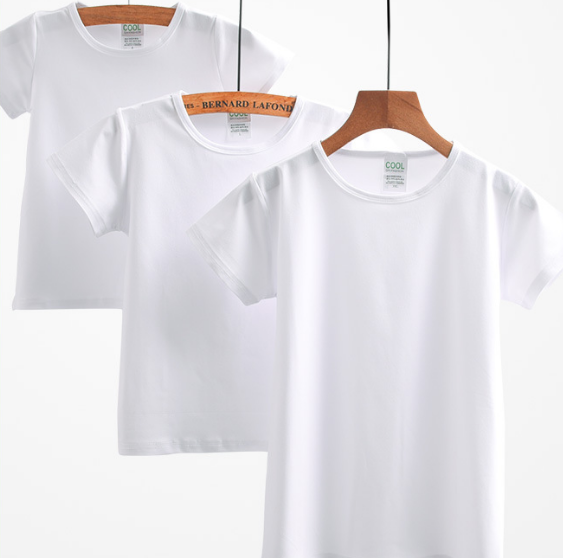
When I first started working in a printing factory, sublimation felt like niche magic. Now, it's more accessible than ever, which is fantastic! It means more people can start their own businesses, just like I did. But it also means it's more competitive. To build a successful business today, especially in 2025, you have to be smarter than ever. It's not just about owning a printer; it’s about knowing the market inside and out. I built my own company selling tumblers, mugs, and textiles by focusing on the fundamentals. Let's dive deep into the most important questions you should be asking to ensure your success in the coming year.
What sells the most with sublimation?
You're ready to print but don't know what will sell. Choosing the wrong products means you'll be stuck with unsold inventory and a wasted investment. Let's focus on proven best-sellers.
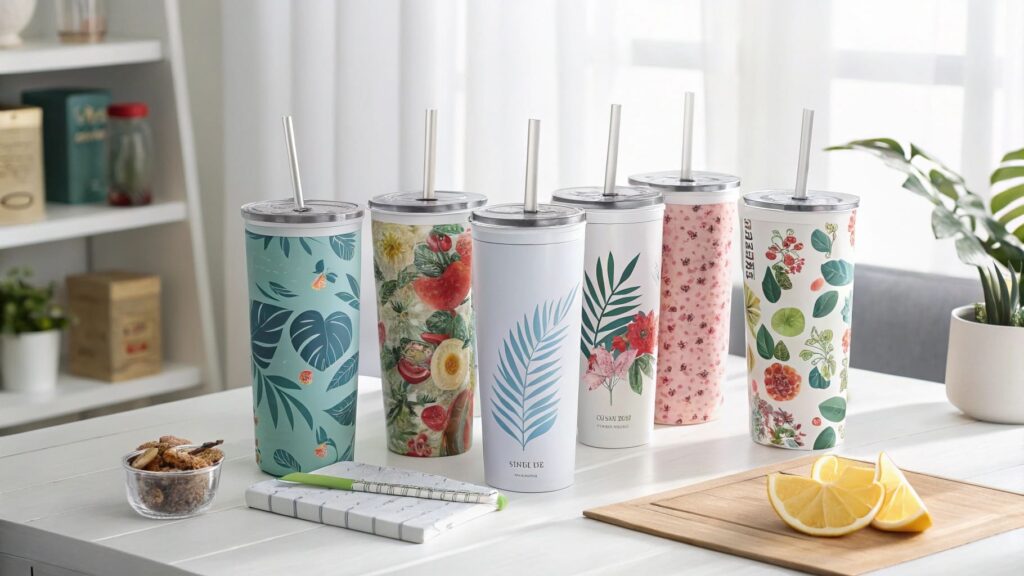
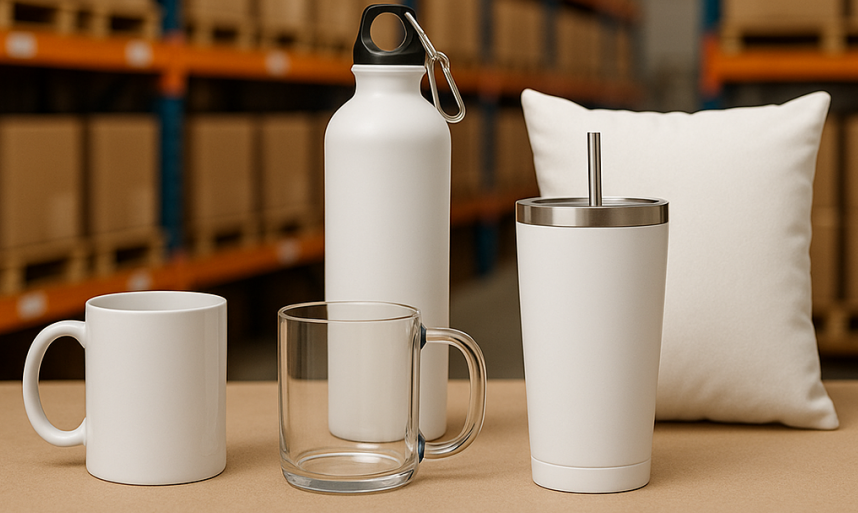
The items that consistently sell the most are those that allow for deep personalization. Custom drinkware (tumblers and mugs), apparel with photos or niche designs, and photo-based gifts like keychains and keepsake panels are the undisputed top performers in the sublimation market.
Dive Deeper: Profit is in Personalization
The single biggest trend driving the sublimation industry is the human desire for self-expression and unique gifts. Generic, mass-produced items don't have the same appeal. Your ability to put someone's pet, family photo, or personal joke onto a high-quality product is your superpower. I found my earliest success by focusing on custom mugs for local businesses and photo tumblers for family gifts. For a designer like Emma, this is a golden opportunity. Her skill isn't just in making pretty pictures, but in creating designs that connect with people on an emotional level. That emotional connection is what drives sales and allows for premium pricing.
Here are the top-tier categories for 2025:
-
Drinkware Dominance:
- Why it works: Tumblers, mugs, and water bottles are everyday items. People carry them everywhere, making them walking billboards. The markup is excellent, and the demand for personalized versions for gifts (holidays, birthdays, corporate) is endless.
- My Tip: Don't just sell one mug. Create gift sets. A mug with matching coasters, or a tumbler with a custom keychain. Bundles increase the average order value significantly.
-
Apparel for Passions:
- Why it works: While the t-shirt market is crowded, apparel for specific, passionate niches is booming. Think about shirts for dog breed enthusiasts, nurses, book lovers, or local sports fans. These customers are actively looking for products that reflect their identity.
- My Tip: Use 100% polyester shirts for the most vibrant, full-color prints. Use poly-blend shirts for a softer, trendy "vintage" fade look.
-
The Photo Gift Economy:
- Why it works: People love their photos. Sublimation allows you to turn digital memories into permanent, physical keepsakes. This is a market driven by emotion.
- My Tip: Focus on high-margin, easy-to-ship items. Aluminum photo panels, holiday ornaments, and custom keychains are incredibly profitable and make perfect "add-to-cart" items.
What is the new technology in sublimation?
You see terms like "DTF" online and worry your sublimation gear is becoming obsolete. Fear of missing out on the "next big thing" can cause anxiety and lead to impulsive, expensive purchases. Let's clarify what's really happening.
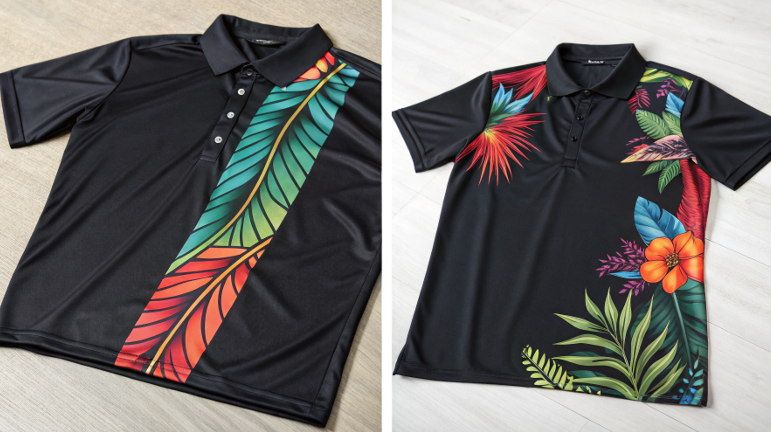
The biggest technological shift affecting the sublimation space isn't an update to sublimation itself, but the rise of a powerful alternative: Direct-to-Film (DTF) printing. This technology allows for vibrant, full-color transfers that work on any fabric, including dark colors and 100% cotton.
Dive Deeper: DTF is a Partner, Not a Replacement
When I first saw the quality of DTF, I wasn't scared; I was excited. It solved a problem I constantly faced: clients wanting vibrant, full-color designs on dark cotton shirts, which is impossible with sublimation. I now see DTF not as a competitor, but as a tool that expands what my business can offer. It allows me to say "yes" to more jobs. For a versatile designer like Emma, knowing the capabilities of DTF means she can design freely, without the material constraints of sublimation. She can create a design and then decide whether to apply it via sublimation for a soft feel on polyester, or via DTF for a bold look on a cotton hoodie.
Here’s how these two technologies complement each other:
| Feature | Sublimation | Direct-to-Film (DTF) | The Takeaway for Your Business |
|---|---|---|---|
| Fabric Compatibility | ONLY light-colored polyester or poly-coated items. | Works on anything: Cotton, Polyester, Blends, Leather, Wood. Any color. | DTF expands your product offerings to cotton and darks. |
| Feel of Print | Zero feel. The ink becomes part of the fabric fibers. | A thin, flexible layer of ink that sits on top of the fabric. | Sublimation is king for soft-hand apparel. DTF is for versatile application. |
| Vibrancy | Unmatched vibrancy and photo quality on the right material. | Excellent vibrancy, with a slightly plastic-like sheen compared to sub. | Both are great for full color, but the look and feel are different. |
| Use Case | Performance-wear, photo panels, mugs, mousepads (soft, permanent feel). | T-shirts, hoodies, hats, tote bags (especially dark cotton). | Use sublimation for its unique properties, use DTF to fill the gaps. |
Is the sublimation printing business profitable?
You love the idea of starting a sublimation business, but you're worried about the real costs. The fear of investing time and money into something that won't make a return is a major hurdle. Let's look at the numbers.
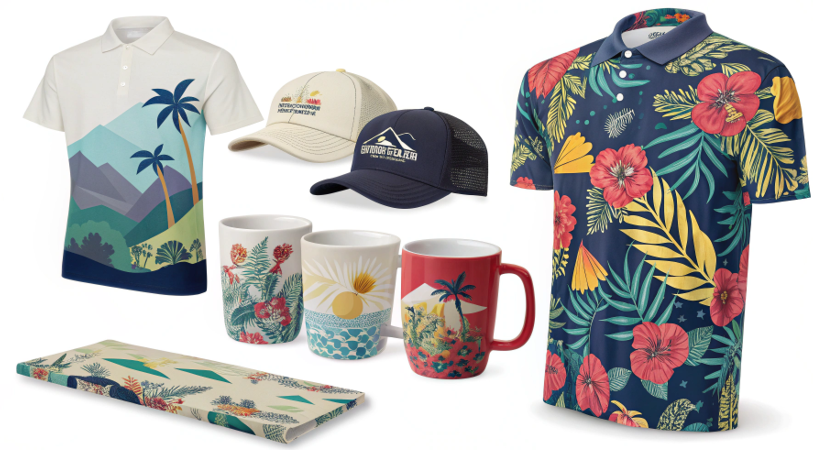
Yes, a sublimation printing business is highly profitable, provided you control your costs and choose the right products. The profit margins on popular items like tumblers and personalized gifts are very high, often exceeding 200-300%, because the perceived value of a custom product is much greater than the low cost of the blank and ink.
Dive Deeper: Profit is a Formula, Not Luck
Profit doesn't just happen; you plan for it. When I was building my business, I lived by my spreadsheets. I knew the exact cost of a blank tumbler, a sheet of sublimation paper, and the approximate amount of ink used. This allowed me to price my products for success. The beauty of sublimation is in the value transformation. You take a $3 blank mug, apply about $0.50 in ink and paper, add your creative time, and you create a $15-$20 personalized product that people are excited to buy. That's where the profit is. A smart designer like Emma can significantly increase this value by offering truly unique, high-demand designs that can fetch a premium price.
Let's break down a sample product: a custom 20oz skinny tumbler.
-
Cost Breakdown (Example):
- Blank 20oz Tumbler: $4.00 - $8.00 (depending on supplier and quantity)
- Sublimation Paper: ~$0.30
- Sublimation Ink: ~$0.40
- Shrink Wrap Sleeve: ~$0.25
- Total Cost of Goods: ~$5.00 - $9.00
-
Pricing and Profit:
- Market Selling Price: $20.00 - $30.00
- Gross Profit per Unit: $11.00 - $25.00
- Profit Margin: 122% to over 400%
To ensure profitability, you must:
- Buy Blanks Smartly: Buying in bulk drastically reduces your cost per item.
- Factor in ALL Costs: Don't forget shipping supplies, software subscriptions, and marketing costs.
- Price for Value, Not Cost: You are not just selling a mug; you are selling a personalized keepsake. Price accordingly.
Can I sublimate on 50% cotton and 50% polyester?
You found a great deal on some soft 50/50 blend t-shirts and want to use them for your designs. But you're unsure if the print will look good or just wash out, wasting your time and money.
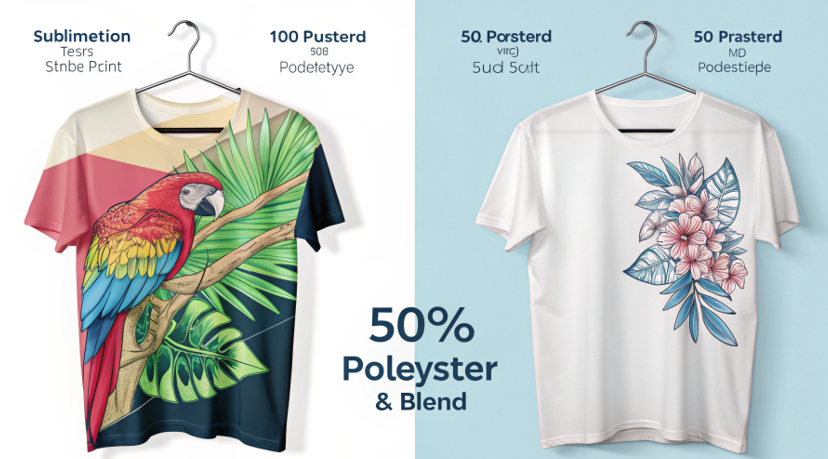
Yes, you can sublimate on a 50% cotton / 50% polyester blend, but only 50% of your ink will transfer permanently. This results in a faded, "vintage" look, which can be a very desirable style. The print will not be as vibrant or crisp as it would be on 100% polyester.
Dive Deeper: The Polyester Percentage Rule
This is a fundamental rule of sublimation that I teach everyone. The sublimation ink only bonds to the polyester fibers. The cotton fibers are essentially inert; they don't react with the ink at all. So, when you press a design onto a 50/50 shirt, the ink that lands on polyester fibers will bond permanently. The ink that lands on the cotton fibers has nothing to stick to and will simply wash away in the first laundry cycle. This is not a defect; it's a predictable chemical interaction. Knowing this allows you to use it to your advantage.
-
Managing Expectations (Yours and Your Customer's):
The key is to know what you're going to get. If you want a bright, bold, photorealistic image, a 50/50 blend is the wrong choice. But if you want a soft, worn-in, retro-style graphic, it's the perfect choice. I often show clients examples on both 100% poly and a 50/50 blend so they can see and feel the difference and choose the style they truly want. -
The Math of Blends:
Think of it as a simple percentage game. The polyester content in the shirt directly corresponds to how much of your original design's vibrancy will remain after the first wash.
| Polyester Content | Expected Result | Best Use Case |
|---|---|---|
| 100% Polyester | 100% of ink bonds. Full vibrancy, sharp details. | Performance wear, photo apparel, anything needing "pop." |
| 65% Poly / 35% Cotton | 65% of ink bonds. Bright, but noticeably less vibrant than 100%. A good compromise. | Softer-feel shirts where color vibrancy is still important. |
| 50% Poly / 50% Cotton | 50% of ink bonds. Faded, "vintage" or "retro" appearance. | Trendy, heather-colored shirts; designs with a worn-in aesthetic. |
| Less than 40% Poly | Not recommended. The image will look excessively faded and washed out. | Best to avoid for commercial products. |
Conclusion
Success in sublimation for 2025 is about smart choices. Focus on selling personalized products, embrace new tech like DTF to expand your offerings, price for profit, and always respect the polyester percentage rule.

Hi there! I'm Lucy, the guardian angel of two good children. During the day, I am a professional in the heat transfer printing industry, from factory workshops to running my own business. Here I share what I have learned - let's grow together!