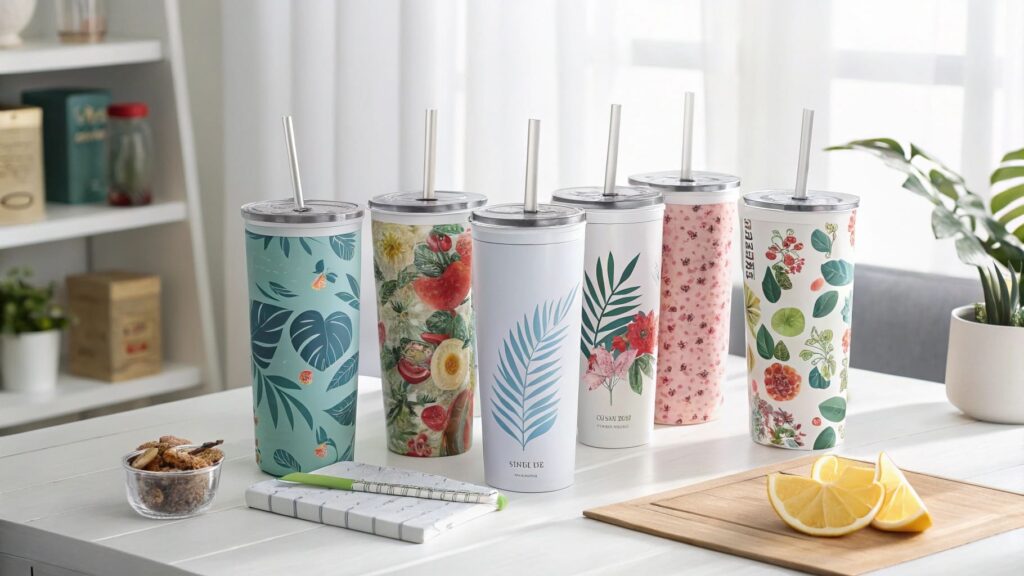
Sublimation vs. Heat Transfer Vinyl (HTV): Which Works Best on Metal & Ceramic?
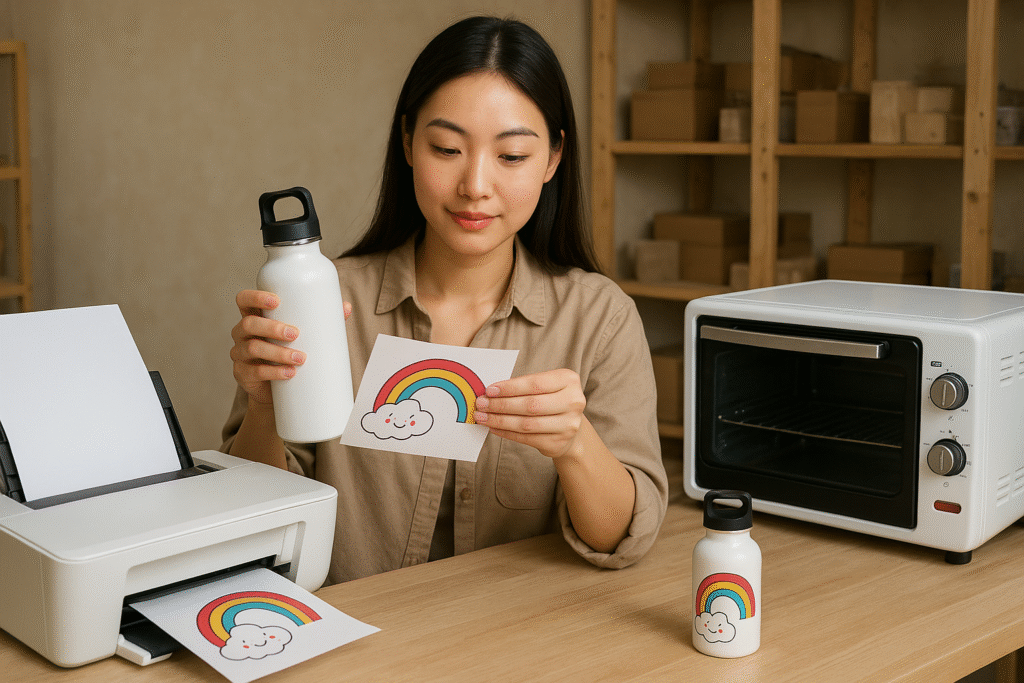
Choosing the wrong decoration method for hard surfaces is frustrating. This mistake leads to peeling prints, faded colors, and wasted materials, hurting your business and a client’s trust.
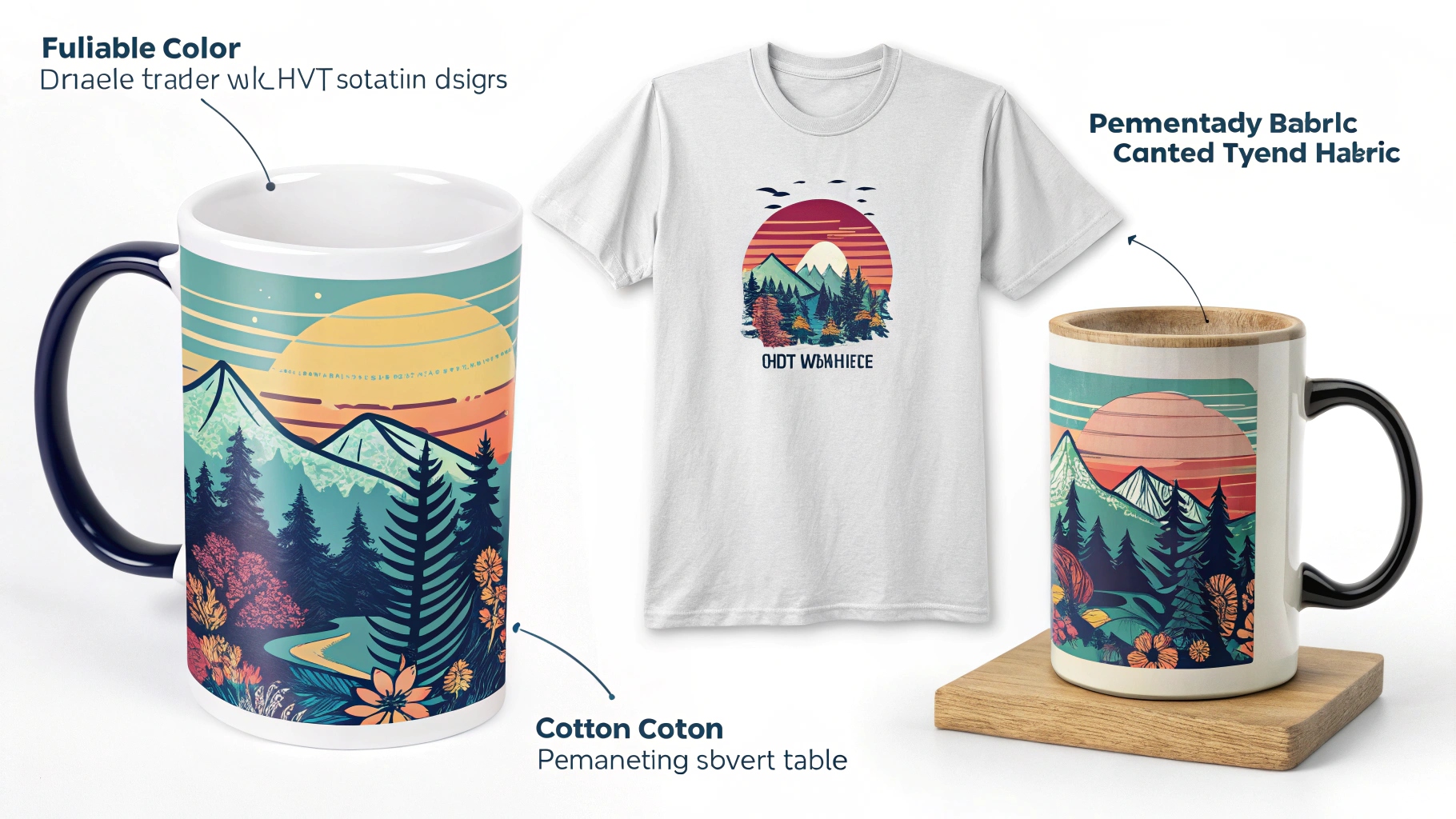
Sublimation is best for metal and ceramic, creating a permanent, smooth, full-color image by infusing ink directly into a special polymer coating. Heat Transfer Vinyl (HTV) applies a plastic layer on top, which works for simple designs but can peel and lacks sublimation's durability.
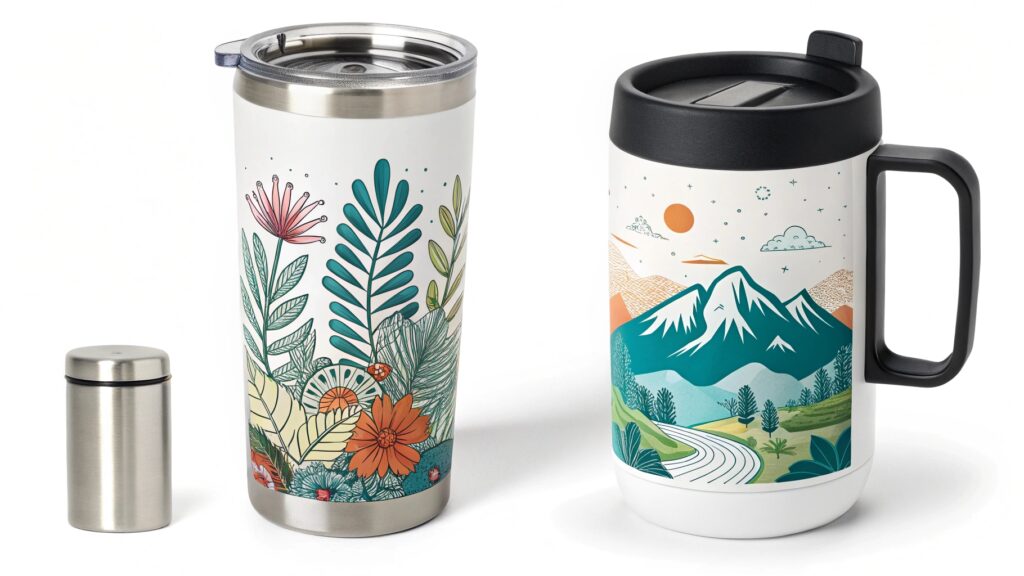
When I first started my trading company, I saw clients struggle with this exact choice. They would try to use the same methods they used for t-shirts on hard goods like mugs and metal signs, only to be disappointed with the results. They needed a clear guide on when to use each process to get professional, long-lasting products. Let's break down the key differences so you can avoid those early mistakes and choose the right technology for every job. This knowledge is what helped me grow my business and is what I want to share with you.
Which is better, heat transfer vinyl or sublimation?
You feel like you're gambling when picking between HTV and sublimation. One bad choice can ruin a whole batch of expensive blanks, costing you time and money.
Sublimation is better for durable, full-color designs on specially coated hard surfaces and polyester fabrics. HTV is better for simple, layered graphics on a wider range of materials, including cotton and uncoated items, offering a lower initial startup cost.
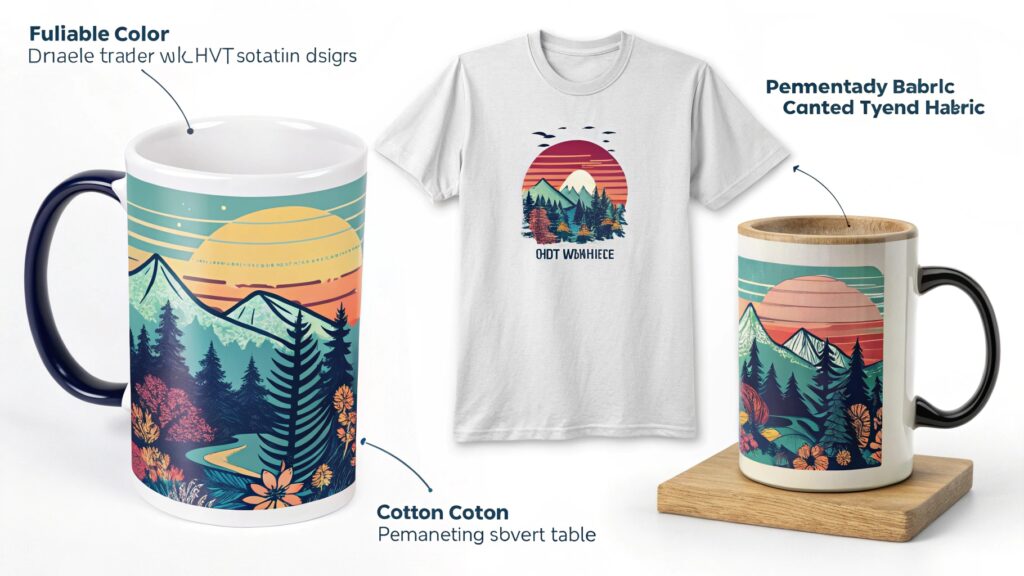
The best method really depends on the job. I think of it like this: sublimation is a fine-tipped, permanent marker, while HTV is a high-quality sticker. Both are useful, but for very different tasks. Sublimation excels where detail and durability are critical. Because the ink becomes part of the item, you can print photorealistic images that won't peel, crack, or fade. This is essential for products that are washed often, like ceramic mugs, or exposed to the elements, like metal signs. A product specialist I know, Alex, relies on this for his company’s premium home décor items to guarantee top-tier colorfastness.
HTV, on the other hand, is great for simpler, bold designs, especially text or logos. Its biggest advantage is versatility. You can apply it to many surfaces without a special coating. This makes it a go-to for quick, small-batch jobs or for materials that can't be sublimated.
Here's a simple breakdown to help you decide:
| Feature | Sublimation | Heat Transfer Vinyl (HTV) |
|---|---|---|
| Best For | Full-color, detailed photos & graphics. | Simple text, logos, layered solid colors. |
| Durability | Permanent; will not crack, peel, or fade. | Good, but can peel or crack over time. |
| Feel | Completely smooth; no texture. | A tangible layer on top of the surface. |
| Substrates | Polyester fabrics or polymer-coated items. | Cotton, polyester, wood, glass, metal, ceramic. |
| Initial Cost | Higher (printer, ink, heat press). | Lower (vinyl cutter, heat press). |
| Per-Item Cost | Lower for ink & paper. | Higher for vinyl material. |
Can you put heat transfer vinyl on ceramic?
You have a great idea for a custom mug but only have a vinyl cutter. You wonder if the HTV will actually stick or just peel right off after the first wash.
Yes, you can apply HTV to ceramic mugs and tiles, but it is best for decorative items not intended for heavy use or dishwasher cleaning. The vinyl sits on the surface and does not bond as permanently as sublimation, making it prone to peeling over time.
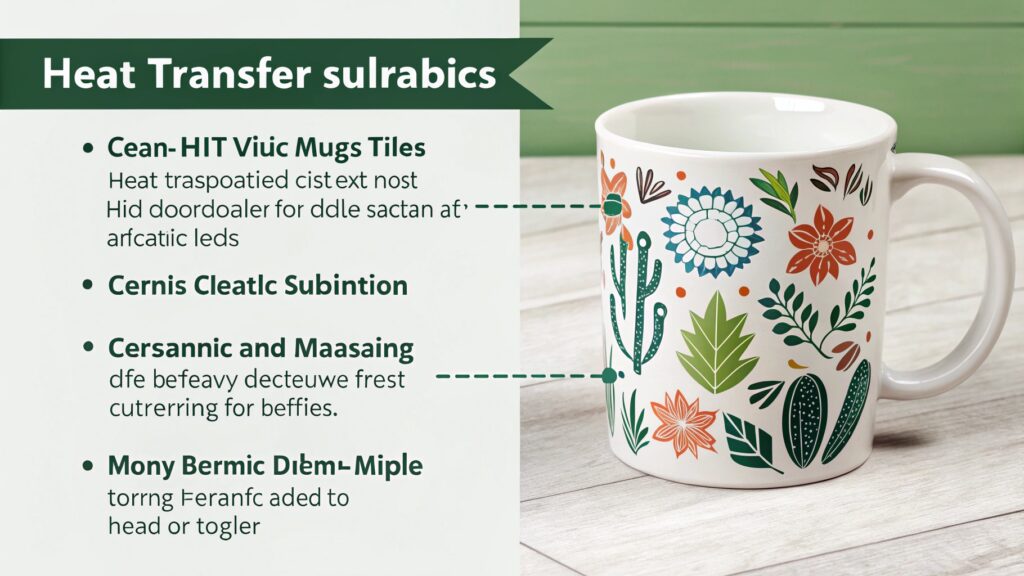
I’ve had many clients ask me this, especially when they are just starting out. Putting HTV on ceramic is a popular craft project, and it can look great. The key is to manage expectations about its durability. It’s perfect for a decorative tile on a wall or a seasonal mug that will be gently hand-washed. But for a daily coffee mug that goes in the dishwasher? The heat and intense water pressure will quickly weaken the adhesive, causing the vinyl to lift at the edges and eventually peel off.
To get the best results, you need to follow a few critical steps.
- Clean the Surface: Always wipe the ceramic with isopropyl alcohol. This removes any oils or dust that would prevent the adhesive from sticking properly.
- Use the Right Vinyl: Not all HTV is the same. Look for a vinyl that is advertised for use on hard surfaces. It will have a stronger adhesive.
- Apply Heat and Pressure Correctly: A mug press is ideal because it provides even heat and pressure all around the curve. If using a small craft press, work in sections and apply firm, steady pressure. Uneven pressure is the main reason for failure.
Think of HTV on ceramic as a temporary or decorative solution. For a truly permanent, professional, and sellable product, sublimation is the only way to go.
Can you use heat transfer vinyl on metal?
Decorating metal water bottles and signs is a great business opportunity. But applying HTV can be a headache, often leading to annoying bubbles or peeling edges after a short time.
Yes, you can use HTV on many smooth metal surfaces, especially powder-coated items like tumblers or aluminum signs. To ensure a strong bond, the surface must be perfectly clean and you must use a heat press to apply even, consistent pressure.
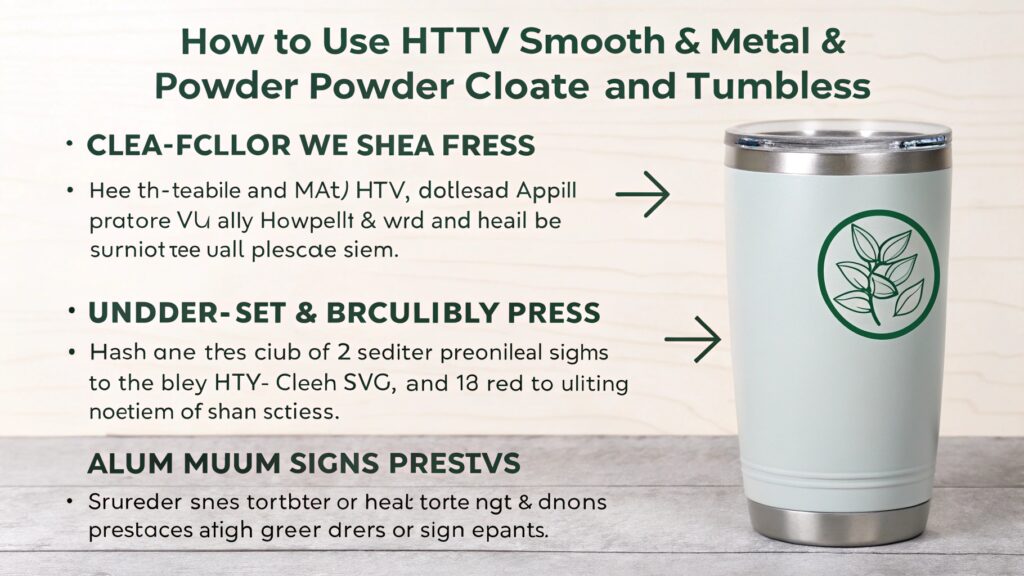
Applying HTV to metal is very similar to applying it to ceramic. It can be done, and it can work well, but the preparation and application are everything. The best candidates are metal items with a smooth, coated finish. Think of those popular powder-coated tumblers or flat aluminum sheets used for small signs. An uncoated, raw piece of metal or one with a brushed texture will be much harder to get a good bond on.
From my experience helping clients troubleshoot, 90% of failures come from two things: improper cleaning or uneven pressure. A hand iron just won't work well on a hard, non-porous surface like metal. It can't deliver the consistent pressure needed to activate the adhesive evenly across the entire design. You will get spots that stick well and others that peel right off. A heat press is not optional here; it’s a requirement for a professional result. Alex, the specialist I mentioned, stresses that calibrating his heat press for rigid substrates is a core part of his quality control.
For truly professional and durable metal products—like photo panels, awards, or outdoor signage—sublimation is the superior choice. On a polymer-coated aluminum blank, the sublimated image becomes part of the metal’s surface coating. It’s completely smooth, scratch-resistant, and won't peel.
Which lasts longer, HTV or sublimation?
You spend your time and money creating a beautiful custom product. But you have this nagging fear that it will crack, fade, or peel after just a few months of use.
Sublimation lasts significantly longer than HTV. A sublimated design is permanent and will not crack or peel because the ink is infused into the surface. It lasts as long as the item itself. HTV is a topical layer that can eventually peel with use.
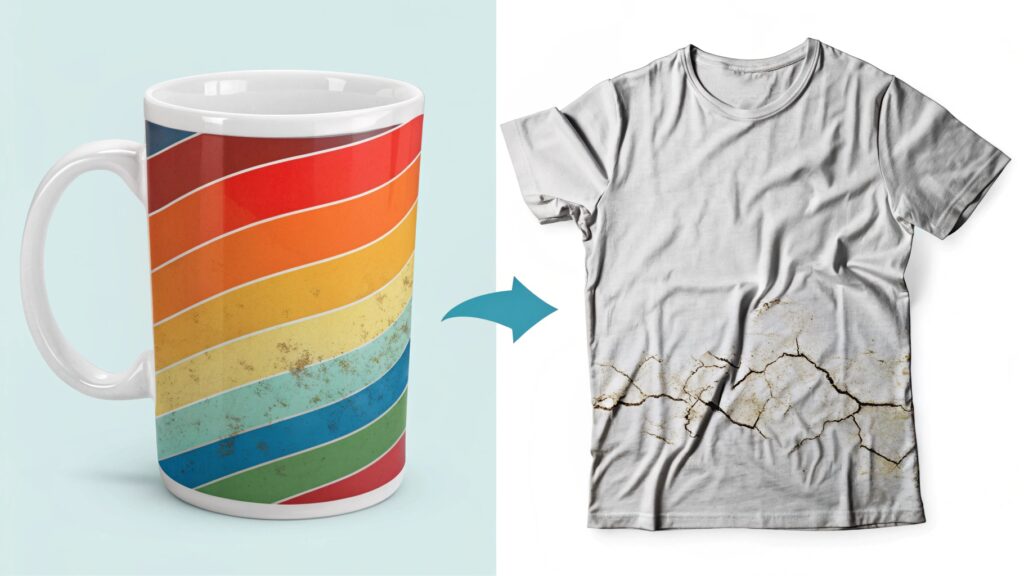
This is the most important question when deciding which method to build a business on. The answer lies in the science of each process. Sublimation isn't an application; it's a chemical transformation. Under high heat and pressure, the solid sublimation ink turns into a gas. This gas permeates the polymer coating of the ceramic or metal. When it cools, it turns back into a solid, locked permanently inside the surface. You can't feel it, you can't scratch it off, and you can't wash it away. It has achieved a wash fastness of Grade 4-5, the industry standard for high quality.
HTV works using a heat-activated adhesive. It's a layer of vinyl that is glued to the top of the item. While the adhesive is strong, it is still just a layer sitting on the surface. Over time, friction from handling, heat from a dishwasher, and exposure to the elements can weaken that bond. This causes the tell-tale signs of a lower-quality product: peeling edges, cracking graphics, and fading colors. It's a great option for items that are not subject to a lot of wear and tear, but it simply can't compete with sublimation for longevity.
Here’s how they compare in the real world:
| Scenario | Sublimation Durability | HTV Durability |
|---|---|---|
| Dishwasher-Safe Mug | The image will remain vibrant and intact for years. | The vinyl will likely start peeling after several washes. |
| Metal Keychain | The design withstands scratches from keys and handling. | The vinyl will quickly get scratched and edges will lift. |
| Outdoor Metal Sign | Lasts for years, resisting UV fade and weather. | The vinyl may fade, crack, and peel within a year or two. |
| Decorative Wall Tile | Permanent and easy to clean. | Works very well as it is not handled or washed. |
Conclusion
For metal and ceramics, sublimation offers superior durability and a professional finish. While HTV is useful for some decorative apps, sublimation is the key to creating premium, long-lasting products.

Hi there! I'm Lucy, the guardian angel of two good children. During the day, I am a professional in the heat transfer printing industry, from factory workshops to running my own business. Here I share what I have learned - let's grow together!