Sublimation vs Screen Printing: Which Is Better for You?
You're ready to print a new design, but you're stuck choosing a method. Picking the wrong one means you could lose money on a small run or deliver a low-quality product on a big order. This uncertainty is stressful and wastes valuable time.
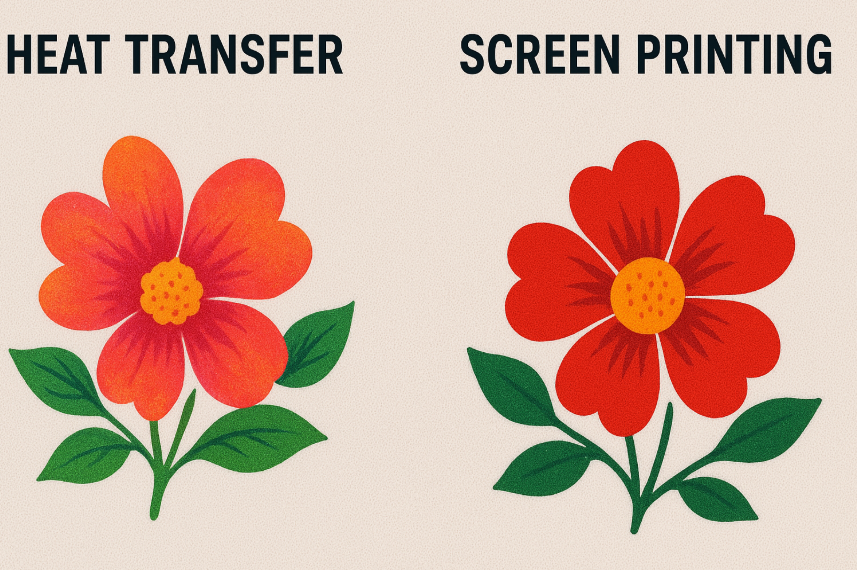
Neither method is universally "better"; they are tools for different jobs. Sublimation is unmatched for detailed, full-color designs on light-colored polyester fabrics, even for a single item. Screen printing is the champion for simple graphics in large quantities on almost any fabric, including dark cotton.
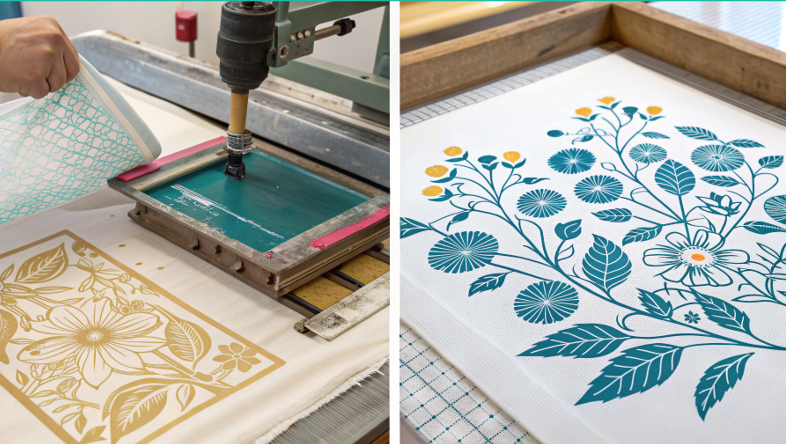
I remember one of my first big corporate orders. It was for 300 t-shirts with a simple, two-color company logo. My sublimation setup was my pride and joy, and I almost quoted the job using that method. But then I did the math. The cost of labor and materials for 300 individual sublimation transfers was huge. I partnered with a local screen printer for that job instead. It taught me a crucial lesson: being a successful business owner isn't about using your favorite method, it's about choosing the smartest method for the specific job. Let's break down the pros and cons so you can make those smart decisions, too.
Is sublimation or screen print better?
You have a great design, but you're unsure which printing process will do it justice. This indecision can stop you from quoting a job confidently, potentially losing you a client. Let's make the choice clear and simple for you.
Sublimation excels at creating vibrant, full-color, photorealistic prints on polyester, while screen printing is more cost-effective for simpler designs on large batches of cotton or dark garments. The "better" choice completely depends on your design's complexity, order quantity, and fabric type.
Dive Deeper: The Right Tool for the Job
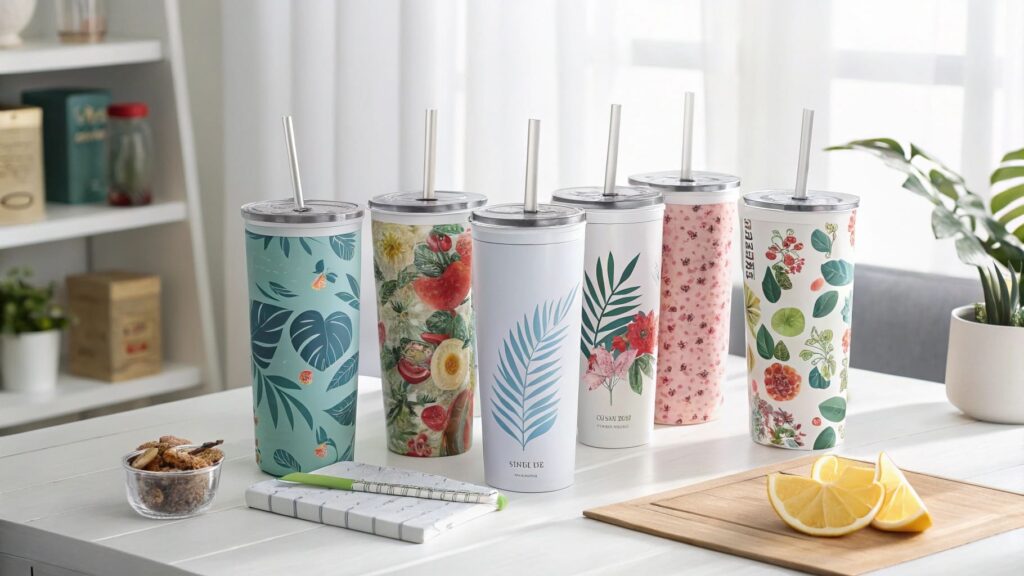
Thinking of this as a competition is the first mistake. It’s like asking if a screwdriver is better than a hammer. They are both essential tools, but for completely different tasks. In my shop, we use sublimation for all our personalized tumblers and one-off photo gift orders. We'd never even consider screen printing for those. But when a local school wants 500 shirts for a fundraiser with a one-color design, screen printing is the only logical and profitable choice. A designer like Emma needs to master this decision-making process to be truly effective. It's about looking at the project's requirements and matching them to the technology.
Here's my go-to decision matrix. I ask myself these questions for every new print job:
| Decision Factor | Choose Sublimation If... | Choose Screen Printing If... |
|---|---|---|
| Design Complexity | The design is full-color, a photograph, or has gradients. | The design has 1-4 solid colors and no gradients. |
| Order Quantity | You need one item or a small batch (under 24 pieces). | You need a large batch (24+ pieces). The more you print, the cheaper it gets. |
| Fabric Type | The fabric is 100% white or light-colored polyester. | You can print on almost anything: cotton, blends, polyester, darks, and lights. |
| Print Feel | You want a completely soft feel, as the ink becomes part of the fabric. | You are okay with a layer of ink that sits on top of the fabric. |
| Durability | You need maximum permanence. The print will never crack, peel, or fade. | The print is very durable but can crack or fade slightly over many years and washes. |
What are the disadvantages of sublimation?
You love the vibrant, permanent results of sublimation, but you keep running into its limits. Promising a client a design on a black cotton shirt only to realize it's impossible is embarrassing and unprofessional. Let's be honest about the limitations.
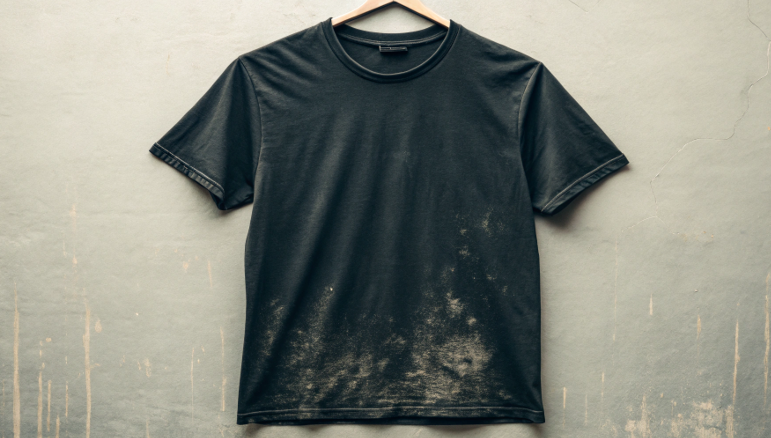
The main disadvantages of sublimation are its material restrictions. It only works on white or light-colored polyester-based materials. It cannot be used on 100% cotton, and since sublimation ink is transparent, it will not show up on dark-colored fabrics.
Dive Deeper: The Rules of the Sublimation Game
These aren't so much "disadvantages" as they are the fundamental rules of how the science works. Knowing them inside and out is what makes you an expert. I've had to gently explain to many enthusiastic clients why we can't sublimate their vivid beach photo onto a black cotton hoodie. Instead of saying "I can't," I explain why and guide them to a better alternative like DTF or screen printing. This builds trust and positions me as a problem-solver, not just a printer. For a designer like Emma, understanding these limitations is key to designing products that are actually manufacturable.
Here are the core limitations you must always keep in mind:
- The Polyester Rule: The sublimation process is a chemical bond between the gaseous ink and polyester fibers. No polyester, no permanent bond. This is non-negotiable. This is why you need special "sublimation blanks" for hard goods like mugs and keychains—they are coated with a layer of polyester polymer.
- The Light-Color Rule: Sublimation printers do not use white ink. They use transparent dyes (CMYK). Any white in your design is just the printer leaving the area blank to let the white fabric show through. This means printing on any color other than white will alter your design's colors (printing yellow on a blue shirt makes a green design). Printing on black is impossible, as the transparent dyes won't be visible at all.
- Potential for UV Sensitivity: While modern sublimation inks are very robust, prints that are exposed to constant, direct sunlight for years (like a flag or outdoor sign) can eventually begin to fade. It's not a concern for indoor items or apparel but is something to consider for specific outdoor applications.
What are the disadvantages of screen printing?
You're considering screen printing for large orders, but the high setup costs and messy process seem intimidating. You worry about the limitations on design complexity and the hassle of cleanup. These concerns are valid and need to be weighed.
The biggest disadvantages of screen printing are the high upfront costs and labor-intensive setup for each color. This makes it unprofitable for small orders or designs with many colors and gradients, like photographs. The process can also be messy and requires significant space.

Dive Deeper: Why It's Not for Small Jobs
Screen printing is a craft that dates back centuries, and the core process hasn't changed much. It's powerful, but it's an analog process in a digital world. A screen has to be created for every single color in your design. If you have a five-color design, you need to create five separate screens, align them perfectly (a process called registration), and print each color one at a time. This setup is what creates the barrier to entry for small jobs. I know screen printers who won't even turn on their equipment for fewer than 24 shirts because the setup cost and time just aren't worth it.
Let's break down the practical drawbacks:
- High Setup Cost: You need to coat a screen with emulsion, "burn" your design onto it with a light source, wash it out, and let it dry. This takes time and materials for every color. That fixed cost is why screen printers have minimum order quantities.
- Limited Color Complexity: Because each color adds another screen and more labor, designs are often kept simple. Photorealistic images or designs with smooth gradients are extremely difficult and expensive to reproduce accurately with screen printing. This is where sublimation shines.
- The Feel of the Print: The ink sits as a layer on top of the fabric. While modern inks can be quite soft, it's a tangible layer that you can feel. On dark garments, a white "underbase" layer is often printed first, which can make the print feel thicker or heavier. This is very different from sublimation's zero-feel result.
- Cleanup and Space: Screen printing involves liquid inks, chemicals for cleaning screens (reclaiming), and space for a press, exposure unit, and washout booth. It’s a messy process that requires a dedicated and well-ventilated workspace.
What's better than sublimation?
You've hit the limits of sublimation for a client's request—they want a full-color photo on a black cotton shirt. You feel stuck, unable to deliver. Thinking sublimation is the only option limits your business and your ability to solve client problems.
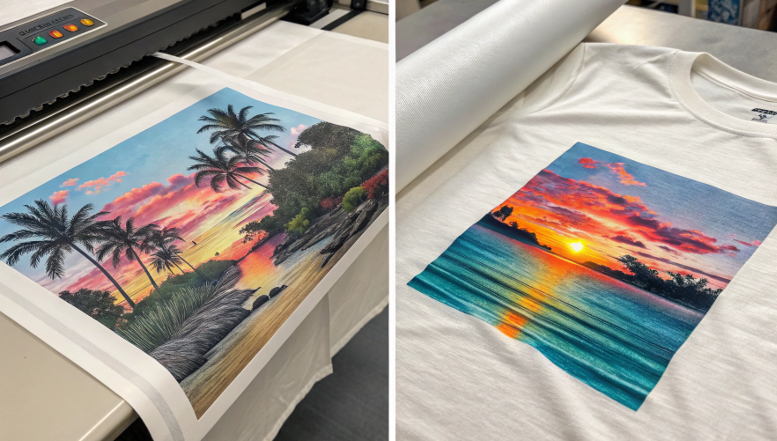
For printing full-color images on cotton or dark garments where sublimation won't work, methods like Direct-to-Garment (DTG) and Direct-to-Film (DTF) are better alternatives. Each offers a unique combination of feel, durability, and cost-effectiveness that can solve sublimation's limitations.
Dive Deeper: Expanding Your Printing Toolbox
"Better" is all about context. The best printers don't just offer one solution; they offer the right solution. When a client comes to me with a project that's a bad fit for sublimation, I don't turn them away. I see it as an opportunity to educate them and offer another amazing technology. Knowing about DTG and DTF makes you a more valuable and versatile partner. It's like a chef knowing how to grill, bake, and fry. You can handle any request that comes into the kitchen. For a designer like Emma, understanding these alternatives means she can design without limits, knowing there's a printing technology available to bring her vision to life on almost any product.
Here’s a quick look at the main alternatives:
-
Direct-to-Garment (DTG):
- How it Works: Think of it like a giant inkjet printer for t-shirts. It prints water-based ink directly onto the cotton fabric. It can reproduce brilliant, full-color photos with ease, and it uses white ink, so it works perfectly on dark garments.
- Best For: Detailed, full-color designs on 100% cotton shirts, especially for one-offs or small orders. The print has a very soft feel.
- Downside: Doesn't work well on polyester. The equipment is very expensive and requires careful maintenance.
-
Direct-to-Film (DTF):
- How it Works: This is the exciting newcomer. The design is printed onto a special film, a powdered adhesive is applied to the back, and then the entire design is heat-pressed onto the garment.
- Best For: This is the most versatile method. It works on cotton, polyester, blends, darks, and lights. It's great for full-color logos and graphics.
- Downside: The print feels like a thin, flexible layer on the shirt—somewhere between soft DTG and traditional vinyl. It doesn't have the "no-feel" quality of sublimation.
Conclusion
Choose sublimation for vibrant photos on light polyester and screen printing for large runs of simple designs. When sublimation's rules don't fit your project, explore DTG or DTF printing.

Hi there! I'm Lucy, the guardian angel of two good children. During the day, I am a professional in the heat transfer printing industry, from factory workshops to running my own business. Here I share what I have learned - let's grow together!