The Bright Future of Heat Transfer Printing?

Are your current printing methods feeling slow and costly? You worry about environmental rules and have to turn away small, custom jobs. This is limiting your business and leaving money on the table.
The future of heat transfer is incredibly bright. It's built on eco-friendly inks, precise digital technology for any size order, a wider range of printable materials, and smart, automated machines. This makes printing faster, better, and more profitable.
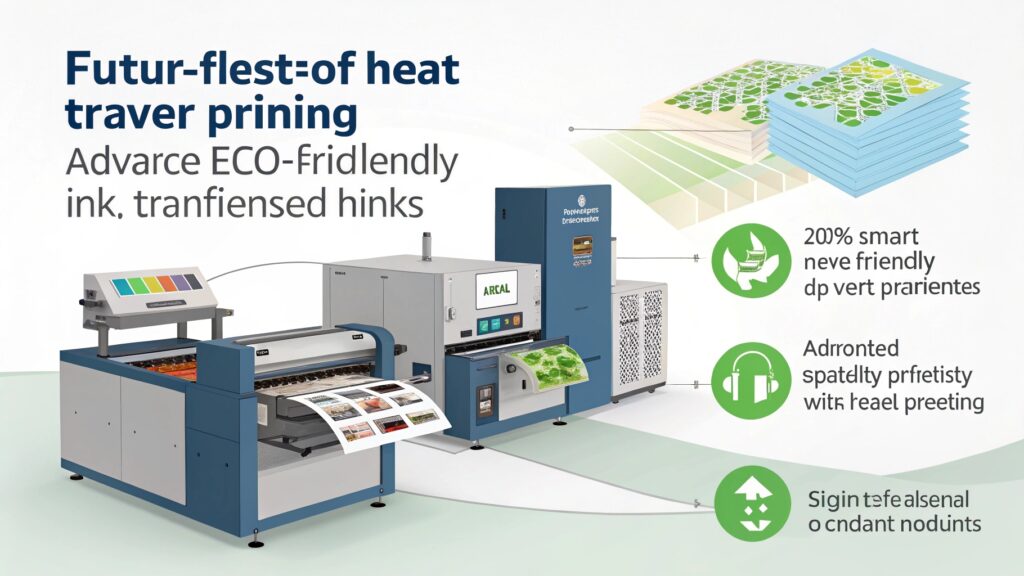
When I started my journey in a sublimation factory, the industry felt completely different. The challenges were simpler, but so were the opportunities. Today, things are moving faster than ever. I often chat with my friend Alex, a heat transfer specialist in Canada, about these changes. We agree that keeping up with new trends isn't just a good idea—it's essential for any printing business to grow. Let's explore what this bright future looks like.
Why Are Eco-Friendly Inks Becoming a Must-Have?
You want to offer "green" products, but your old solvent inks are harmful. Stricter laws are coming, and you risk losing customers who care about sustainability.
Eco-friendly inks are the new industry standard. Water-based inks, with low to zero VOCs, are replacing solvent options. They meet tough environmental regulations and satisfy the growing demand for sustainable products, keeping your business modern and responsible.
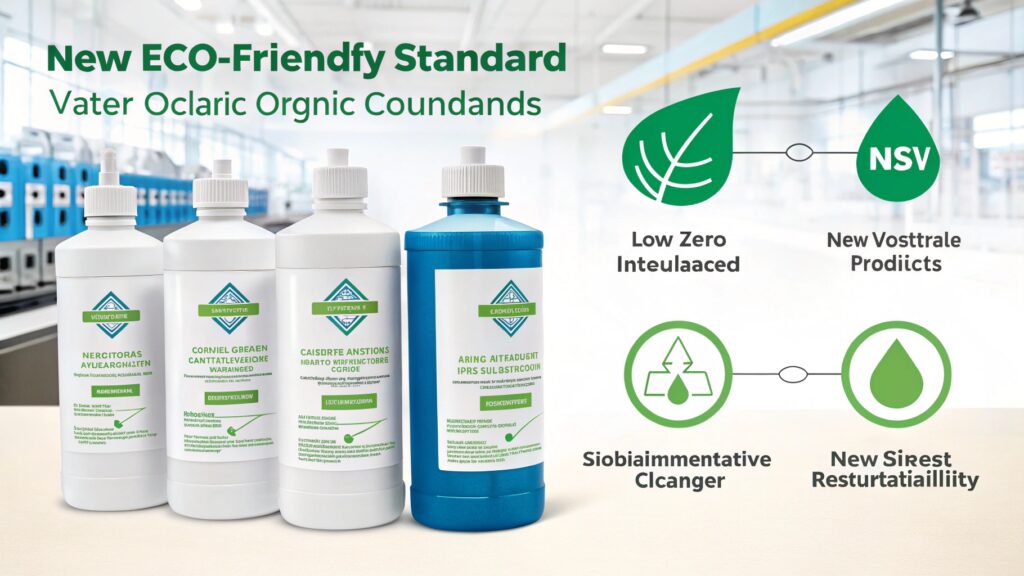
I can still remember the strong chemical smell of solvent inks in the factory. It was just part of the job back then. Now, that's changing for the better. Alex tells me that government regulations on chemicals are getting more serious every year. The biggest shift is from solvent-based inks to water-based inks. These inks are much safer for the people using them and for the planet. They produce very few Volatile Organic Compounds (VOCs), which are harmful chemicals that pollute the air. This change is not just about following the rules. It is about what customers want. People are actively choosing to support businesses that make environmentally friendly choices. Using water-based inks is a major selling point that shows your brand cares. It builds trust and attracts a new generation of buyers.
| Ink Characteristic | Traditional Solvent-Based | Modern Water-Based |
|---|---|---|
| Environmental Safety | High VOCs, pollutes air | Low/Zero VOCs, much cleaner |
| Operator Health | Requires special ventilation | Safer, less chemical exposure |
| Regulations | Facing increasing restrictions | Meets current and future standards |
| Market Demand | Declining popularity | High demand for "green" options |
How Can Digital Printing Finally Make Small Orders Profitable?
Screen printing has high setup costs, making small or personalized orders too expensive. You have to say "no" to customers, losing out on valuable business and creative opportunities.
Absolutely. Modern digital heat transfer makes small batches highly profitable. It uses advanced industrial printheads and variable data printing (VDP) to eliminate setup costs. This provides a fast, affordable, and superior alternative to screen printing for custom jobs.
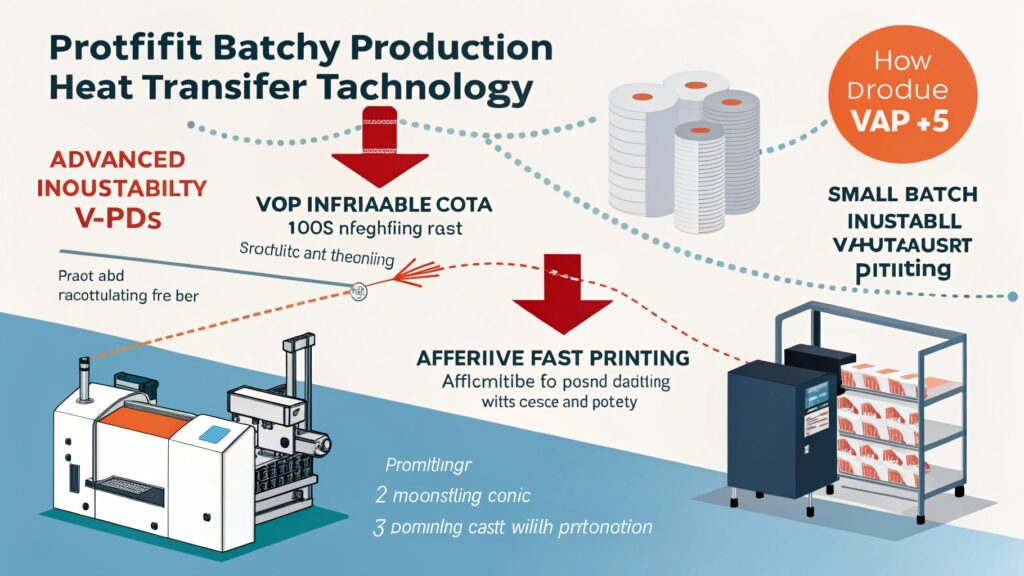
I remember the days when I had to tell a customer the minimum order was 50 or 100 pieces. It was always difficult to turn away someone with a great idea for just a few items. That problem is now a thing of the past. Alex works with these new digital systems daily. He explained that high-precision printheads1, like those from Kyocera, print photo-quality images without needing a single screen. This alone saves a huge amount of time and money. The really exciting part is a technology called Variable Data Printing (VDP)2. VDP allows a printer to change elements on each print without stopping. You can print 50 t-shirts, each with a unique name and number, in a single print run. This capability opens up the entire market for personalization, which was once impossible to serve profitably.
Key Advantages of Digital Over Screen Printing:
- Zero Screen Setup: Go directly from a digital file to the printer, saving hours of prep work.
- Unlimited Colors: Print complex, full-color designs and gradients without extra setup for each color.
- Fast Turnaround: Produce small orders the same day instead of taking several days.
- Cost-Effective for Small Runs: The price per item is low even for a single piece.
Is Dye-Sublimation Just for T-Shirts Anymore?
You have mastered sublimating on polyester fabrics. But you feel stuck in this one area, while the demand for custom home goods and other products is exploding.
No, it's not just for t-shirts anymore. Dye-sublimation is now a popular choice for hard surfaces like ceramics, metal, and glass for home décor. Plus, new low-temperature technology lets you print on heat-sensitive materials that you couldn't before.
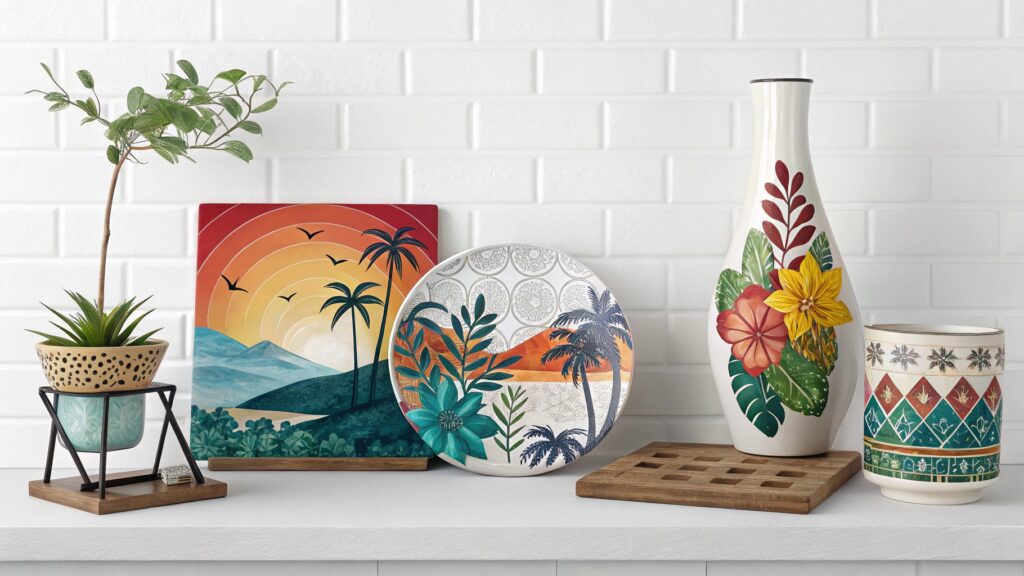
For a long time, my business was all about sportswear. Polyester shirts, jerseys, and shorts were our main sellers. But recently, I started getting more and more requests for custom items for the home. Alex confirmed this is a huge growth area. The technology for coating hard surfaces has gotten so good that you can now sublimate on them with amazing results. Think about custom photo mugs, kitchen backsplashes on ceramic tiles, or vibrant art on metal panels. These products have a high-perceived value and are in huge demand. Another major innovation is low-temperature transfer. Traditional sublimation needs about 200°C, which would melt or damage many materials. New inks and papers can now transfer at temperatures below 160°C. This opens up a whole new world of heat-sensitive fabrics that were previously off-limits for sublimation.
Can "Smart" Machines Really Eliminate Printing Errors?
You try your best to match colors, but reprints from inconsistent results are common. Each mistake costs you time and materials, and it can damage your reputation for quality.
Yes, they can. Smart, IoT-enabled heat transfer machines use automation to nearly eliminate errors. They feature automated color calibration with ICC profiles to guarantee color accuracy and achieve high colorfastness ratings (Grade 4-5) every time.
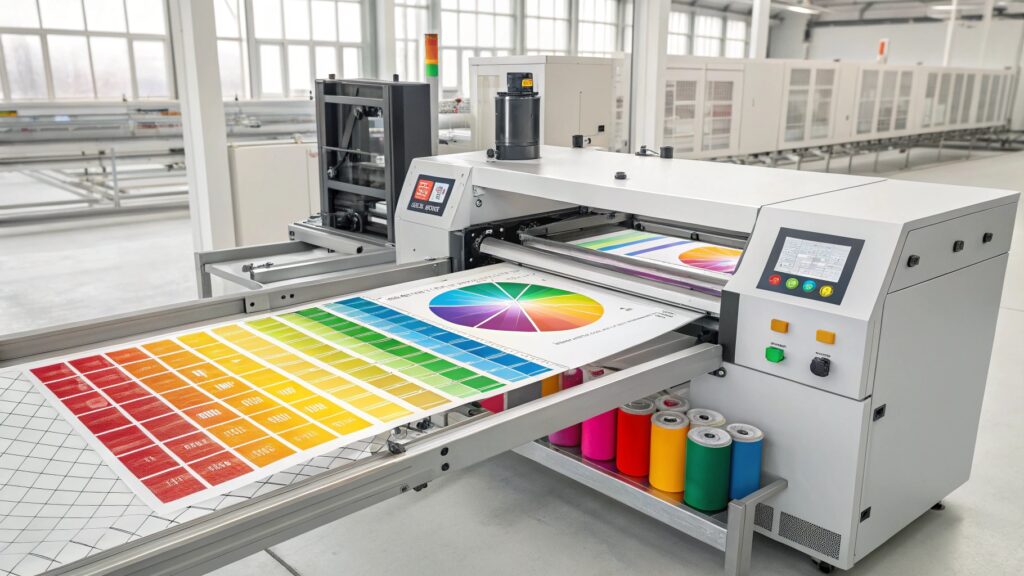
There is nothing more frustrating than having a reprint come out a slightly different color than the original. This is where smart manufacturing changes everything. Alex calls it a revolution for the print shop. New machines can connect to the internet, which is what "IoT-enabled" means. They can receive instructions and send back data on every job. The most important feature is automated color calibration. You create an ICC profile, which is basically a rulebook for color that your computer, printer, and ink all follow. The smart machine then uses this profile to adjust its settings automatically for perfect color. It removes the human guesswork. This automation leads to incredible consistency and also improves the final product's quality, like its colorfastness. Colorfastness is how well the print holds up to washing. A Grade of 4-5 is the professional standard, and these machines help you hit it reliably.
Conclusion
Heat transfer's future is exciting, focusing on sustainability, digital precision, new materials, and smart automation. Adopting these advancements is the key to building a successful, modern, and thriving printing business.

Hi there! I'm Lucy, the guardian angel of two good children. During the day, I am a professional in the heat transfer printing industry, from factory workshops to running my own business. Here I share what I have learned - let's grow together!