What are the advantages of sublimation?
Your custom apparel designs crack, peel, and fade away in the wash. This makes your products look cheap, disappoints your customers, and damages your brand's reputation for quality.
The main advantages of sublimation are its absolute permanence and durability, its ability to produce vibrant, photo-quality images, and a final print that has zero feel, making it premium and comfortable.
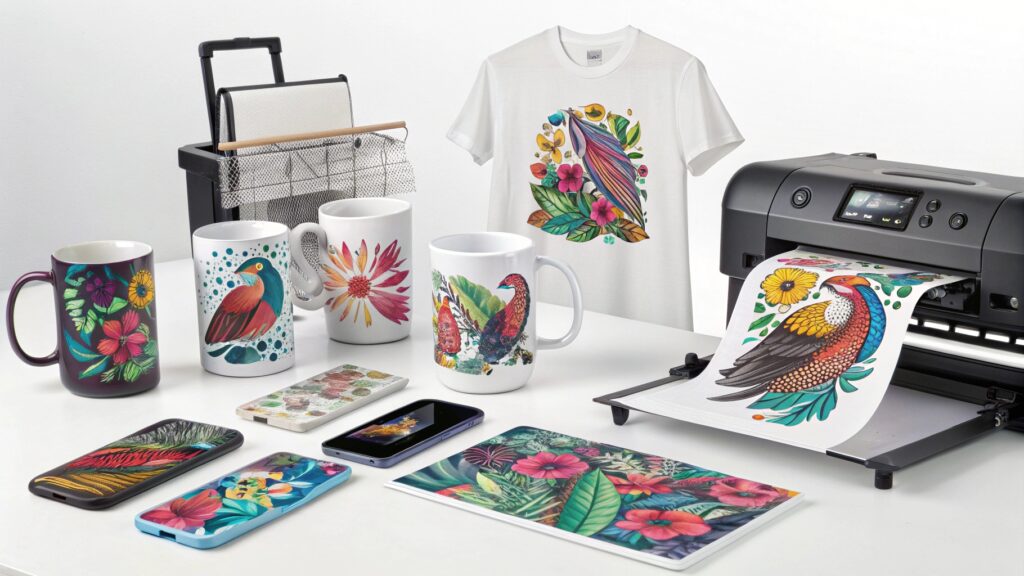
The first time I saw a sublimated shirt come off the heat press, I was hooked. The design was not just on the fabric; it was in the fabric. It was a high-end look and feel that I knew customers would love. This wasn't a sticker or a stiff layer of ink. It was a professional, retail-quality finish. It's this premium quality that allowed me to build my business and help my clients do the same. These advantages aren't just technical details; they are real selling points that translate into higher profits and happier customers.
Will sublimation printing crack or fade?
You worry that after all your hard work, a customer's t-shirt will look old and worn after just a few washes. This fear of creating a low-quality product can hold you back.
No, sublimation prints are permanent. The ink chemically bonds with the polyester fibers, becoming part of the fabric itself. It cannot crack, peel, or fade, and will last for the entire life of the garment.
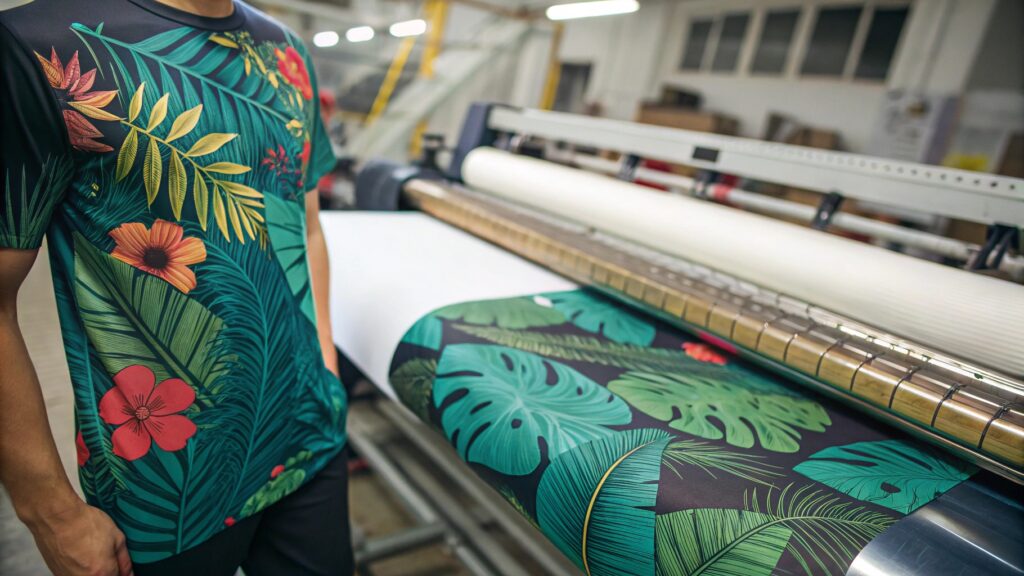
Durability is everything in the apparel business. My product specialist friend, Alex, lives by this rule. His company offers a quality guarantee, and sublimation is the only method they trust for their performance sportswear line. He explained to me that the durability is measurable. On the AATCC colorfastness to washing scale, a proper sublimation print scores a Grade 4-5, the highest possible. This means the color holds up to rigorous washing without fading. The science is simple: the process turns the solid dye into a gas that fuses directly into the polyester. It’s not a layer sitting on top, so there's nothing there to crack or peel off. While a high-quality heat transfer vinyl might last 50 washes, a sublimation print is truly permanent. It's a "print it and forget it" process that guarantees quality for life.
| Feature | Sublimation | Heat Transfer Vinyl (HTV) |
|---|---|---|
| Durability | Permanent (lifespan of garment) | Good (50+ washes) |
| Aging Process | Does not age, crack, or peel | Can eventually crack or peel |
| Colorfastness | Excellent (Grade 4-5) | Good (can fade over time) |
| Bonding Method | Fuses into the fabric fibers | Adheres on top of the fabric |
Can sublimation print photo-quality designs?
You feel limited by simple graphics and solid colors. You want to offer complex, beautiful designs, but other methods make it difficult and expensive to reproduce photos or intricate patterns.
Yes, sublimation excels at printing photorealistic images. It can reproduce millions of colors with smooth gradients and incredible detail, creating sharp, vibrant results that are impossible with basic heat transfer vinyl or screen printing.
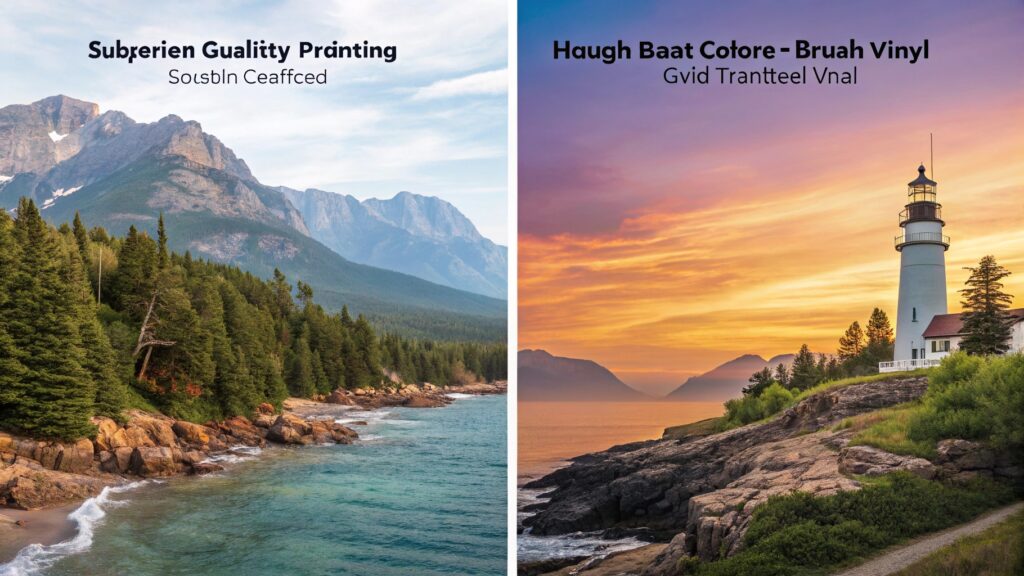
This is where sublimation truly shines and opens up huge creative possibilities. I helped a client who was an amazing digital artist. She was frustrated because HTV couldn't capture the smooth color transitions in her work. When I introduced her to sublimation, it completely changed her business. She could now perfectly replicate her art on phone cases and apparel. Alex confirms that this is because sublimation is a continuous-tone process. It blends colors seamlessly, without using the tiny dots (halftones) that screen printing relies on for gradients. To get this right professionally, he uses RIP software (Raster Image Processor) with custom ICC profiles. This a fancy way of saying he has a system to ensure the colors he sees on his calibrated monitor are the exact same super-vibrant colors that come out on the final product. It's the perfect method for photographers, artists, and brands needing flawless image reproduction.
Does sublimation printing feel plasticky on a shirt?
Stiff prints can make a soft t-shirt feel cheap and uncomfortable. Customers notice this heavy, non-breathable layer, and it can instantly lower the perceived value of your apparel.
No, sublimation printing has zero "hand" or feel. Because the ink is infused directly into the fabric fibers, the printed area feels exactly the same as the rest of the garment and is completely breathable.

This is a major selling point. The "hand" of a print is the first thing a customer notices when they touch a garment. A heavy, plastic-like feel immediately screams "promo item." A soft, integrated print says "retail quality." I've built entire product lines around this one benefit. Alex's company exclusively uses sublimation for their running and cycling jerseys for this exact reason. The print doesn't block the pores of the performance fabric, so it remains fully breathable and wicks sweat as designed. An athlete would never wear a shirt with a giant, sticky HTV patch on their back. This premium feel allows you to sell garments at a higher price point. It’s the difference between a shirt people wear once to an event and a shirt that becomes their favorite piece of clothing. It's professional, comfortable, and a huge competitive advantage.
Is sublimation better for full-color designs?
You want to offer complex, colorful designs, but the production process seems like a nightmare. Layering vinyl or setting up multiple screens for one shirt eats up your time and kills your profit margins.
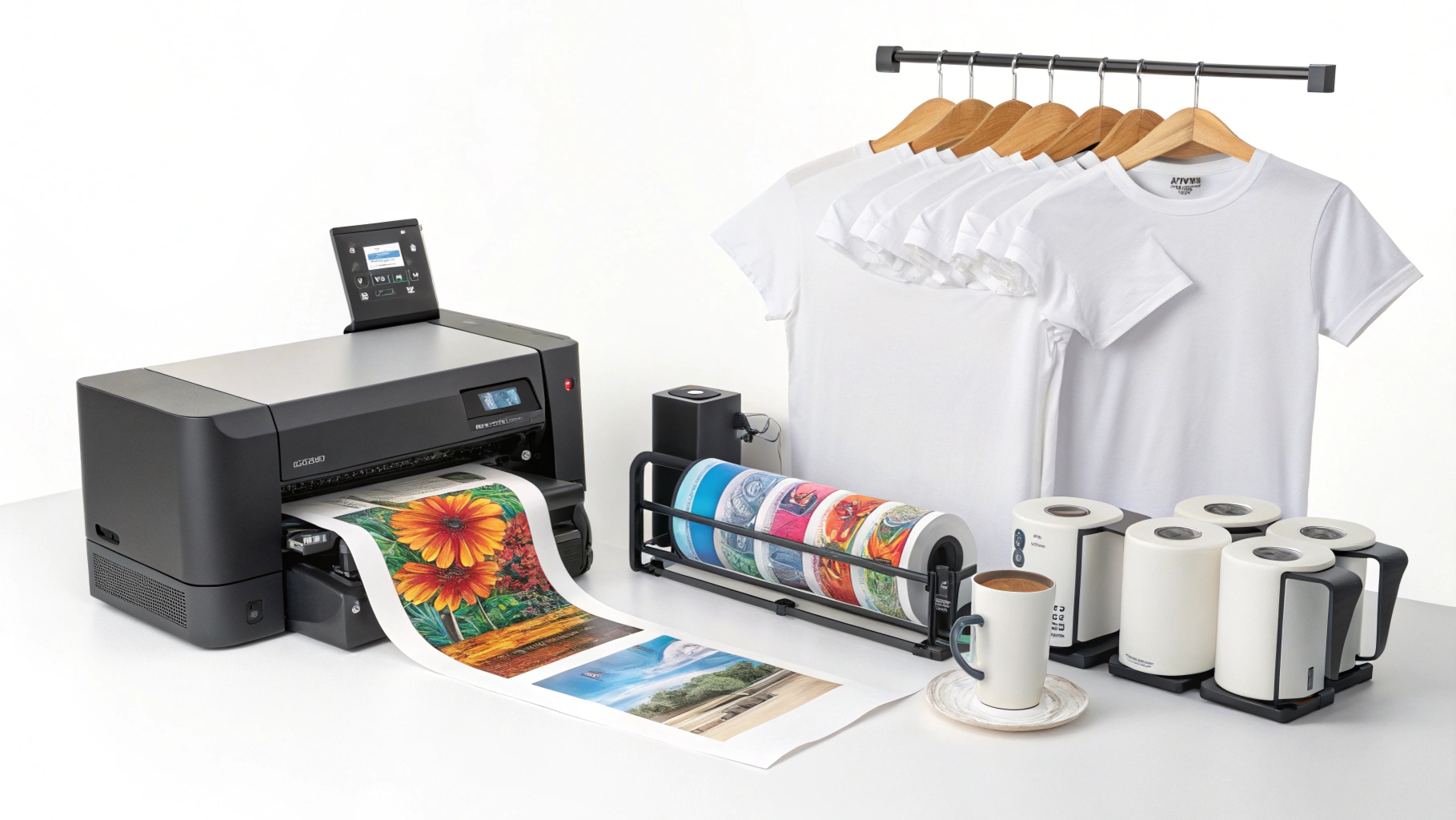
Yes, sublimation is dramatically more efficient for full-color designs. You print one sheet of paper with all your colors at once, and apply it in a single press. There is no weeding, layering, or multi-screen setup required.
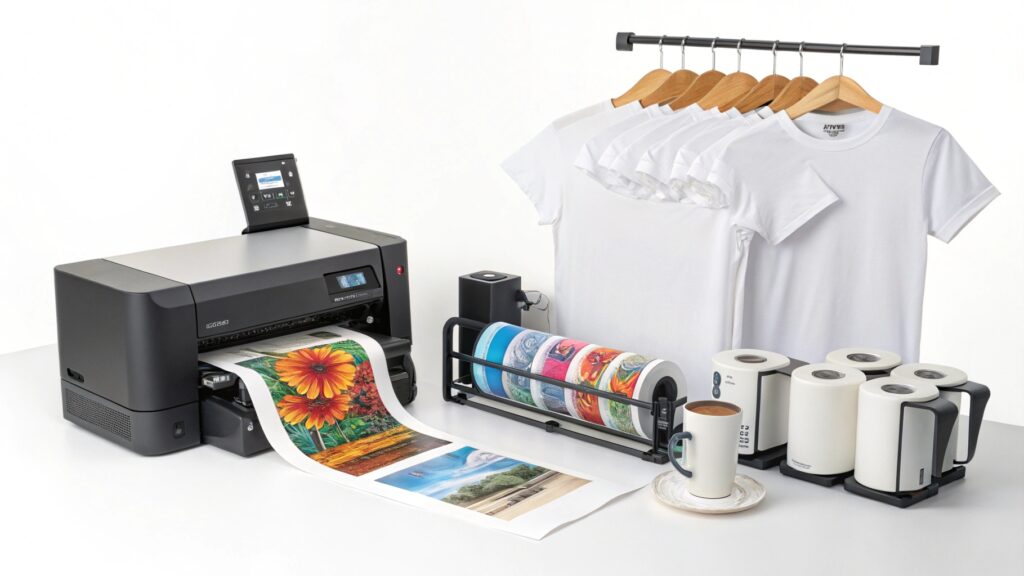
This efficiency is the key to profitability for small-batch custom work. Imagine a customer wants a t-shirt with a complex logo that has 6 different colors. With heat transfer vinyl, that means you have to cut, weed, and perfectly align 6 different pieces of vinyl, likely pressing them in multiple stages. With screen printing, it means creating, aligning, and cleaning 6 different screens. It’s a ton of labor. With sublimation, you simply hit "print" on your computer. The paper that comes out has all 6 colors perfectly arranged. You place that one sheet on the shirt and press it one time. That's it. This workflow saved my clients so much time and frustration, allowing them to take on more complex jobs without wanting to pull their hair out. It turns intricate, high-value designs into a simple, repeatable process, which is the secret to scaling a custom products business.
Conclusion
Sublimation offers permanent durability, stunning photo quality, and a premium feel. Its efficient workflow makes it the superior choice for creating high-value, professional products that customers will love.

Hi there! I'm Lucy, the guardian angel of two good children. During the day, I am a professional in the heat transfer printing industry, from factory workshops to running my own business. Here I share what I have learned - let's grow together!