What Are the Real Benefits of Dye-Sublimation Printing?
Your custom products look okay, but the designs feel thick, crack over time, and lack that professional pop. You worry customers notice the amateur quality, hurting your brand's reputation and sales.
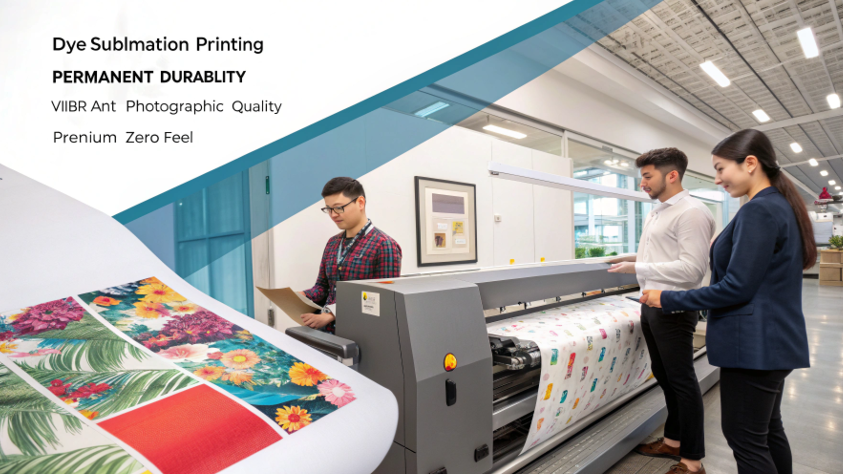
Dye-sublimation offers three incredible benefits: permanent durability, stunning photographic vibrancy, and a premium "zero-feel" finish. This creates a high-quality product that customers can see and feel, setting your business apart from the competition.
The first time I held a sublimated shirt, I was amazed. I had been working with vinyl, and I was used to feeling the design on top of the fabric. But this was different. The image was part of the shirt itself, incredibly bright and completely smooth. Seeing that level of quality was a turning point for me. I realized this was the secret to creating truly professional custom products. It wasn't just a different method; it was a different league of quality, and it became the foundation upon which I built my business. Let's explore exactly why this process is such a game-changer.
What are the benefits of sublimation?
You want to sell products that last. You're tired of seeing designs peel or fade, leading to unhappy customers and hurting your reputation before you even get started.
The main benefits are unmatched durability, photographic color, and a superior feel. The design becomes part of the material, so it will never crack, peel, or fade. It can reproduce millions of colors for stunning detail.
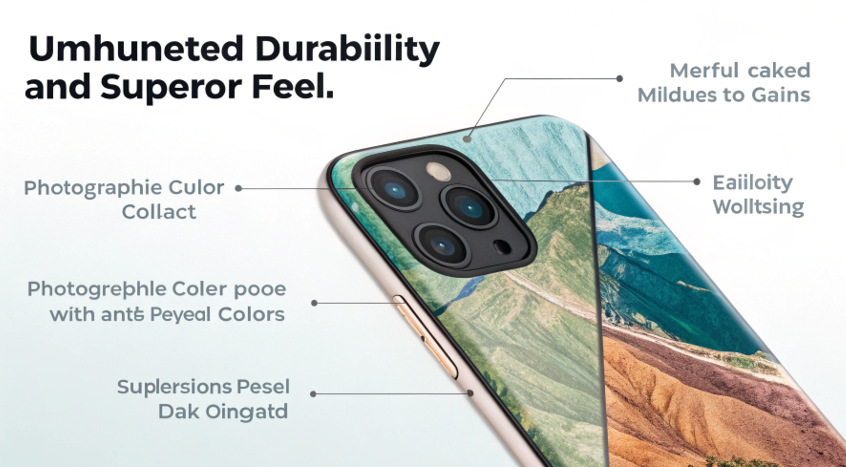
When I train new business owners, I break the benefits down into three simple categories that their customers will instantly understand and appreciate. First is permanence. The ink is infused into the polyester fibers, not sitting on top. This means the design is as durable as the shirt itself. My product expert, Alex, confirms these prints achieve a Grade 4-5 colorfastness, so they hold up to washing. Second is vibrancy. Sublimation can create millions of colors, making it perfect for reproducing high-resolution photos, complex gradients, and intricate artwork perfectly. Finally, and maybe most importantly for apparel, is the "zero-hand" feel. Because the design is inside the fabric, the shirt remains soft and breathable. This is a massive quality signal that separates a premium product from a cheap one.
| Benefit | Sublimation | Heat Transfer Vinyl (HTV) | Traditional Screen Print |
|---|---|---|---|
| Durability | Permanent, will not crack/peel | Can eventually peel or crack | Can crack or fade over time |
| Color Quality | Photographic, millions of colors | Limited to solid vinyl colors | Limited, struggles with photos |
| Feel on Fabric | Zero feel, completely breathable | A noticeable plastic layer | A thin layer of ink |
Why would anyone use sublimation printing?
Creating custom products can be a race to the bottom on price. You wonder how you can compete and actually build a profitable business instead of just a cheap hobby.
People use sublimation to create high-value, premium products that command higher prices. It's perfect for markets like personalized gifts, professional sportswear, and high-quality home decor where customers pay for quality and detail.
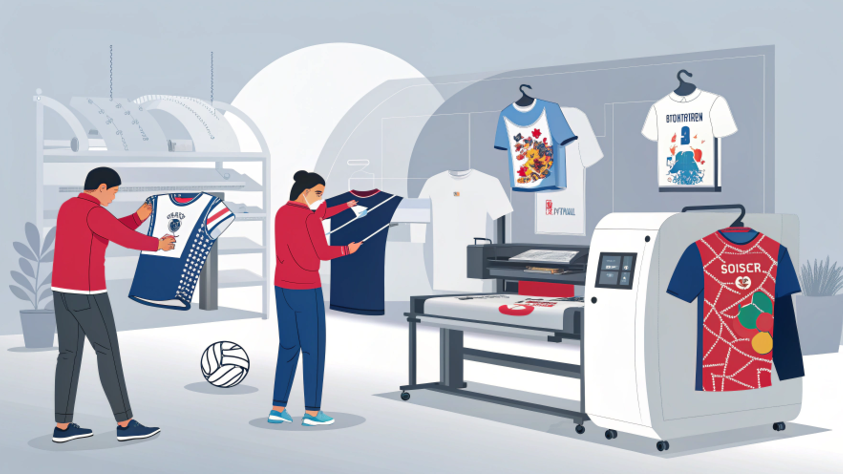
This is the business side of the equation, and it’s how I achieved my own financial independence. Sublimation allows you to move away from the low-margin game of simple text shirts. You can enter markets where customers pay for the emotional connection and perceived quality. Think about it: a parent wants a photo of their child on a mug. They don't want a sticker that will peel off; they want a beautiful, permanent image. That has high value. The same goes for the athletic apparel market. Teams need jerseys that are lightweight, breathable, and have logos that will survive an entire season. Sublimation is the professional standard for this. Even for home decor, a photo printed on a high-gloss metal panel has a much higher perceived value than a paper print in a cheap frame. Sublimation printing is the tool that unlocks these more profitable product categories.
What is the drawback of a dye sublimation printer?
You're excited by the benefits of sublimation. But you’ve heard rumors about difficult machines and high maintenance, and you're worried about making a costly mistake with your investment.
The main drawback is not the printer itself but the ink system. Sublimation printers are very prone to clogging if not used every few days. This requires commitment and consistent use to avoid expensive repairs.
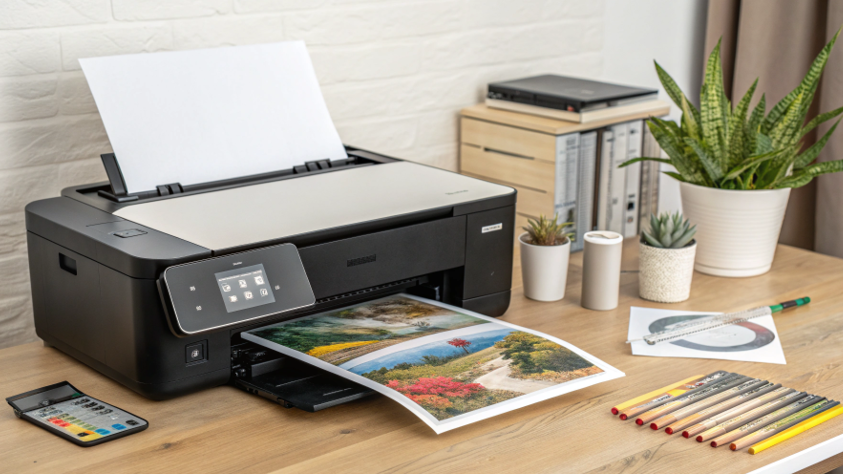
I must be honest about this because it's the biggest challenge new users face. I call it the "use it or lose it" rule. Sublimation ink contains tiny, solid dye particles suspended in a liquid. If the printer sits unused, the liquid evaporates and those solid particles get stuck in the microscopic nozzles of the print head, creating a clog. A bad clog can ruin the print head, which is the most expensive part of the printer. To prevent this, you absolutely must print a small test page with all the colors every 2-3 days to keep the ink flowing. This reality is true whether you buy a dedicated printer like a Sawgrass or convert an Epson EcoTank. It's not a flaw of a specific brand; it's the nature of the ink itself. Understanding this disadvantage is key. It's a manageable problem, but it requires discipline. This isn't a machine you can set up and forget for two weeks.
Is dye sublimation better than inkjet?
You have a regular inkjet printer at home. You can't help but wonder if you can just use that, or if sublimation is truly a different process that's worth the investment.
This question is based on a common confusion. Sublimation printing is a completely different process from regular inkjet printing. One applies liquid ink to a surface; the other infuses a gas into a material.
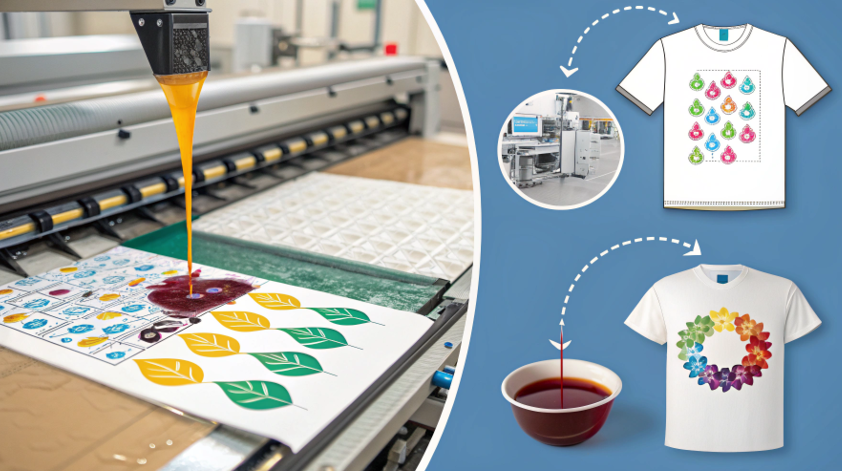
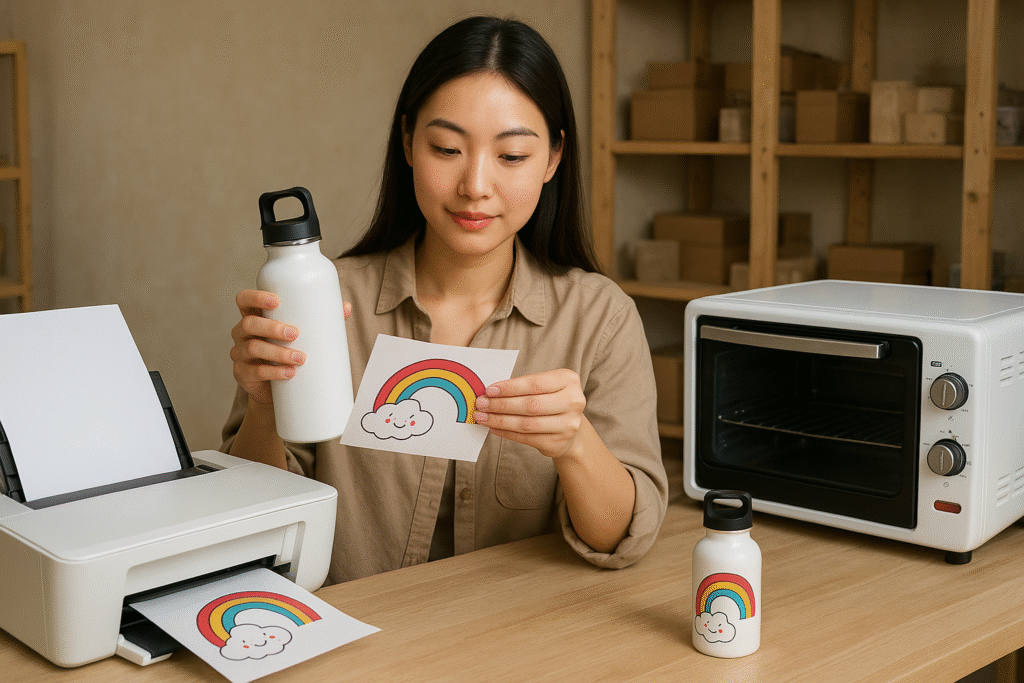
Alex, my technical expert, gets this question all the time. Here is the simplest way to understand the difference. A "dye sublimation printer" is actually a type of inkjet printer, but it's used with special sublimation ink and paper. It is a completely different world from your home office printer. Your home inkjet printer uses standard inks to print a document on paper, and the job is done. You cannot put sublimation ink in that printer. Sublimation is a two-step process. First, you print your design in reverse on special paper using sublimation ink. Then, you use a heat press to turn that printed ink into a gas, which permanently bonds with a polyester surface. So, you're not comparing two types of printing. You're comparing a surface-level application (regular inkjet) with a chemical infusion process (sublimation). They are designed for completely different tasks and are not interchangeable.
| Process | Step 1 | Step 2 | Result |
|---|---|---|---|
| Regular Inkjet Printing | Print document with standard ink | Done | Ink sits on top of paper |
| Sublimation Printing | Print design with sublimation ink | Heat press onto a polyester blank | Ink becomes a gas and fuses into the blank |
Conclusion
Sublimation offers unmatched benefits in durability and vibrancy. It allows you to create premium, professional-quality products that justify higher prices and build a successful business.

Hi there! I'm Lucy, the guardian angel of two good children. During the day, I am a professional in the heat transfer printing industry, from factory workshops to running my own business. Here I share what I have learned - let's grow together!