What Do You Need for Sublimation?
You're ready to start creating amazing custom products. But the lists of required gear are long and confusing. You're afraid of buying the wrong equipment and wasting your money before you even start.
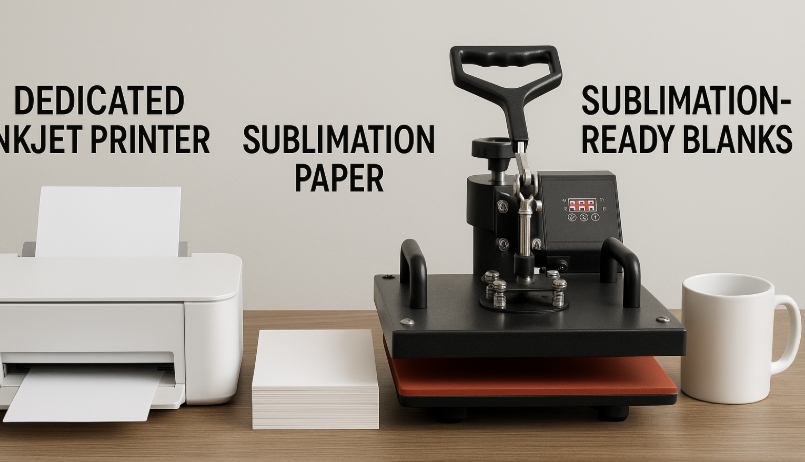
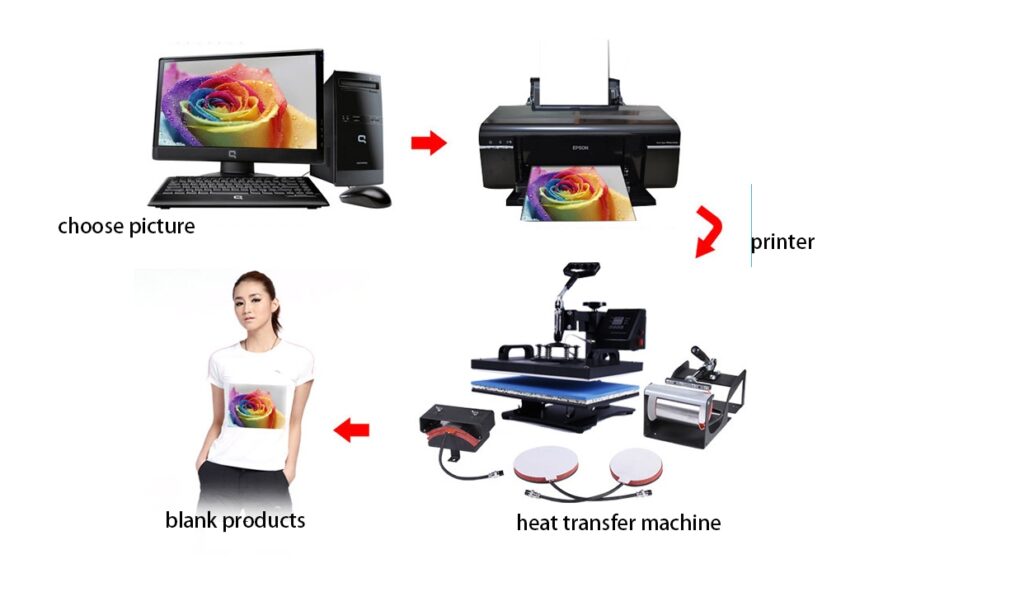
For sublimation, you need four key things: a dedicated inkjet printer with sublimation ink, special sublimation paper, a heat press, and sublimation-ready blanks. These four elements work together to create permanent, vibrant designs.
When I founded my business, I remembered the confusion I felt when I first started. I spent weeks trying to figure out exactly what I needed. I want to save you that trouble. Think of it as a simple recipe. If you have the right ingredients, you can make amazing things. Miss one key component, and the whole project can fail. Let's break down exactly what those essential ingredients are.
What is required for sublimation printing?
You see long lists online with dozens of items. You just want to know the absolute must-haves. You need a simple, clear checklist to get you started without any extra fluff.
The absolute requirements for sublimation printing are a dedicated printer with sublimation ink, sublimation paper, a heat press, and a sublimation-ready item (a "blank"). Without any one of these four core components, the process will not work.
Let's look at these four non-negotiable items. I call them the "Four Pillars of Sublimation." You need all four standing for your business to work.
- The Printer & Ink: This is your design creator. A dedicated printer filled with special sublimation ink prints your designs onto transfer paper.
- The Paper: This is the vehicle for your design. Sublimation paper has a unique coating that holds onto the ink and then releases it as a gas when you apply heat.
- The Heat Press: This is the activator. It provides the high, even heat and consistent pressure needed to trigger the sublimation chemical reaction.
- The Blank: This is your canvas. It must be made of polyester or have a special polymer coating. This is where your design finds its permanent home.
My technical specialist, Alex, always tells new clients to focus on getting these four items right first. Everything else is just an accessory. Mastering the relationship between these four pillars is the key to quality and consistency.
| Item | Its Role in the Process | Why It's Essential |
|---|---|---|
| Printer + Ink | Prints the design. | Sublimation ink is chemically unique. |
| Paper | Holds and transfers the ink. | Special coating releases the ink as a gas. |
| Heat Press | Activates the process. | Provides the required heat and pressure. |
| Blank | Receives the design. | Must have polymer material for ink to bond. |
What equipment do you need to do sublimation printing?
You understand the basic components, but what about the actual hardware? Choosing the right machines is a big investment. The wrong choice can lead to poor quality, frustration, and wasted money.
The essential equipment you need is a Piezo-electric inkjet printer (like an Epson model) and a quality heat press. A computer with design software is also necessary to create and manage your print files.
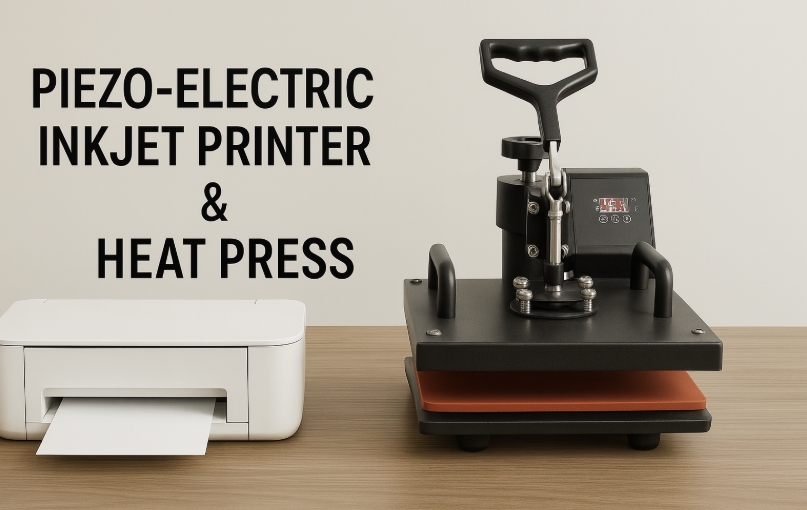
Let’s talk about the machinery. When I started my trading company, I saw clients succeed or fail based on their equipment choices. Investing in a reliable heat press, for example, is just as important as the printer.
- The Printer: As we've covered, this cannot be just any printer. You need a new inkjet printer with Piezo-electric technology, like an Epson EcoTank, that you will dedicate only to sublimation.
- The Heat Press: This is a major player. A good heat press provides consistent heat and even pressure. Inconsistent heat leads to "ghosting" or faded spots. Alex calibrates his presses carefully to maintain a Grade 4-5 colorfastness, which is impossible with a cheap, unreliable machine. There are different types:
- Flat Press: For t-shirts, mousepads, photo panels. (Can be clamshell or swing-away style).
- Mug/Tumbler Press: A curved press specifically for drinkware.
- The Computer: You need a computer to run design software like Adobe Illustrator, CorelDRAW, or even free options like GIMP to create and prepare your designs for printing.
| Heat Press Type | Pros | Cons | Best For |
|---|---|---|---|
| Clamshell | Takes up less space, faster operation. | Less room to work, can be a burn risk. | High-volume t-shirt production. |
| Swing-Away | Safer, easy to align items. | Requires more space, slightly slower. | Beginners, thicker items like tiles. |
What is needed for sublimation to occur?
It’s not just about having the gear; it's a science experiment. If you don't use the right "recipe," your results will be terrible. You need to provide the right conditions for the magic to happen.
For sublimation to occur, three things must converge: special sublimation dye, polyester material, and high heat combined with firm pressure. This combination causes the dye to turn to a gas and permanently infuse into the polyester fibers.
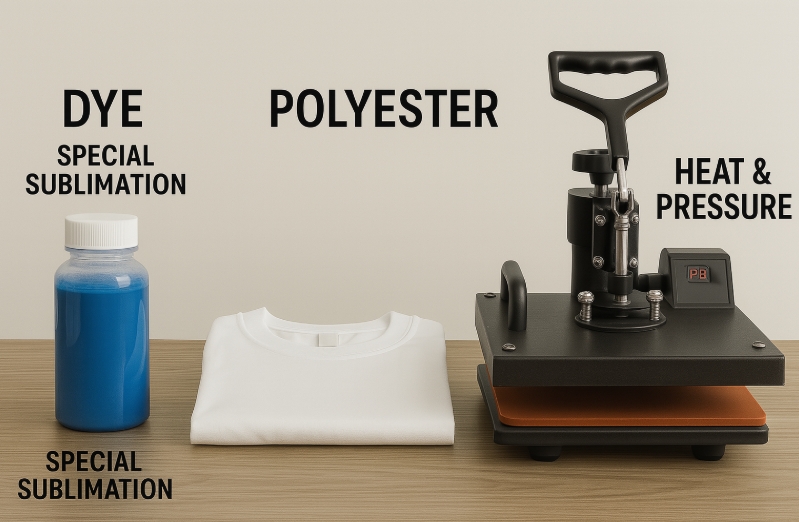
Let's break down the science in a simple way. Understanding this "why" helped me troubleshoot problems back when I worked in the factory. The process is a perfect storm of chemistry and physics.
- The Trigger: Heat & Pressure. The heat press is the catalyst. It does two things at once. It heats the solid sublimation dye on the paper to about 200°C (400°F), causing it to instantly become a gas (it sublimates). At the same time, this heat causes the pores of the polyester fabric or coating to open up.
- The Infusion: The pressure from the press ensures the transfer paper is held tightly against the blank. The ink gas moves from the paper and flows directly into the open pores of the material.
- The Lock-in: Once you remove the heat, the polyester fibers cool down rapidly. The pores close, trapping the ink—which has now returned to a solid state—permanently inside the fabric. This is why the design is smooth to the touch and will never fade or peel. It is now part of the fabric.
This is why cotton doesn't work. Cotton is a natural fiber; its pores don't open up with heat in the same way, so there is nothing for the ink gas to bond with.
What kind of printer do I need to do sublimation?
This is often the first and most critical decision you'll make. The wrong printer choice is a costly mistake. It can damage the machine and stop your creative journey before it even begins.
You need an inkjet printer that uses a Piezo-electric printhead. Most Epson printers use this technology, making them ideal for converting to sublimation. You cannot use printers with thermal printheads, like most from HP or Canon.
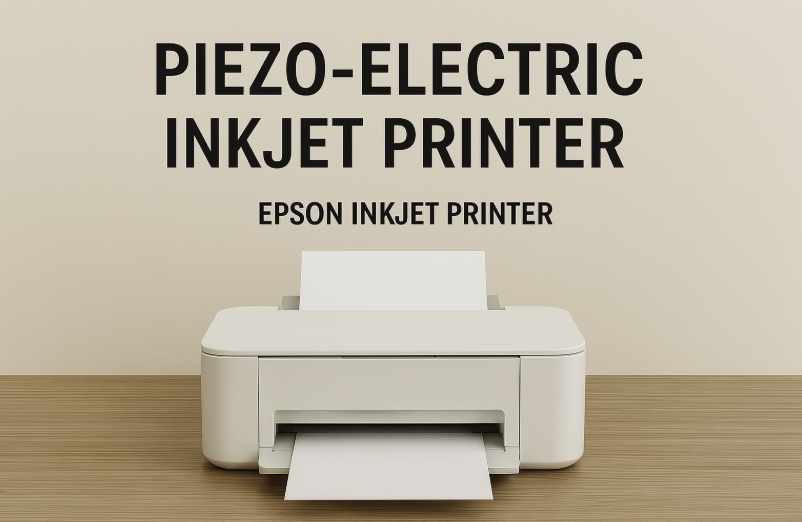
This is the most technical but most important part of your setup. The printer's technology determines if it will work. My friend Alex, the printing specialist, explains it as the difference between "squeezing" and "boiling" ink.
- Piezo-electric Printheads (Epson): These use tiny vibrating crystals to precisely "squeeze" or push ink droplets onto the paper without heat. This gentle process is perfect for the delicate nature of sublimation ink. This is why you can convert a new Epson EcoTank into a sublimation printer.
- Thermal Printheads (HP, Canon): These use tiny heating elements to "boil" the ink, creating a bubble of vapor that forces the droplet out. This heat would activate the sublimation dye inside the printhead, clogging it instantly and ruining the printer.
For beginners, a converted Epson is a cost-effective start. For those with a bigger budget or business, dedicated sublimation printers like Sawgrass offer an all-in-one solution with software and support.
| Printer Type | Pros | Cons | Best for |
|---|---|---|---|
| Converted Epson | Lower initial cost, flexible. | No warranty, requires color profiles. | Hobbyists, budget-conscious starters. |
| Dedicated Sawgrass | All-in-one system, great software, support. | Higher initial cost, expensive ink. | Small businesses, ease of use. |
Conclusion
To start sublimation, you need a dedicated Piezo printer, special ink and paper, a heat press, and polyester blanks. With this core setup, you're ready to create durable, professional products.

Hi there! I'm Lucy, the guardian angel of two good children. During the day, I am a professional in the heat transfer printing industry, from factory workshops to running my own business. Here I share what I have learned - let's grow together!