What Exactly Is Heat Transfer Printing And How Does It Work?
Want to put your own designs on t-shirts or mugs? The options can feel overwhelming, and you worry about making a mistake. Let's explore heat transfer printing together.
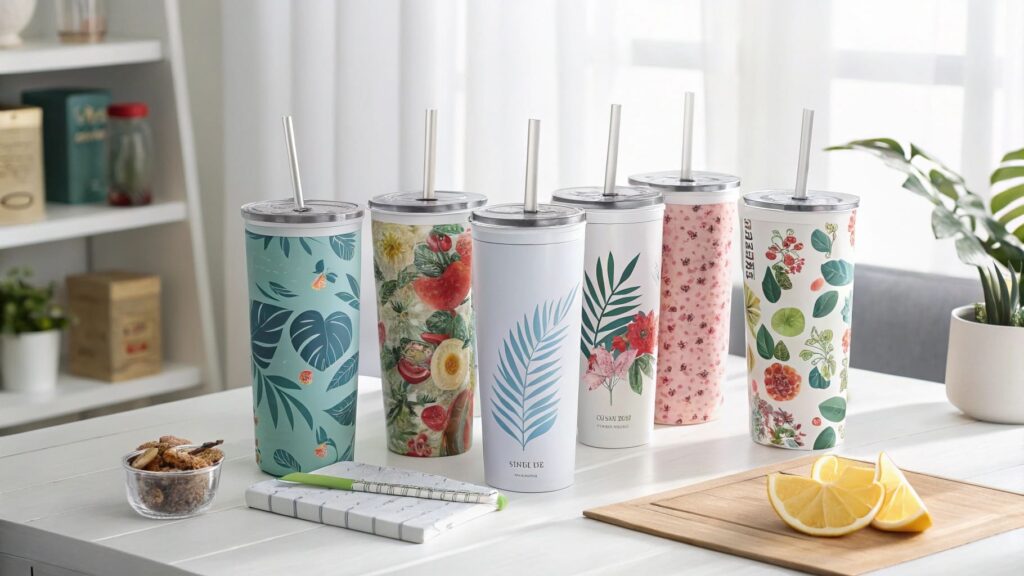
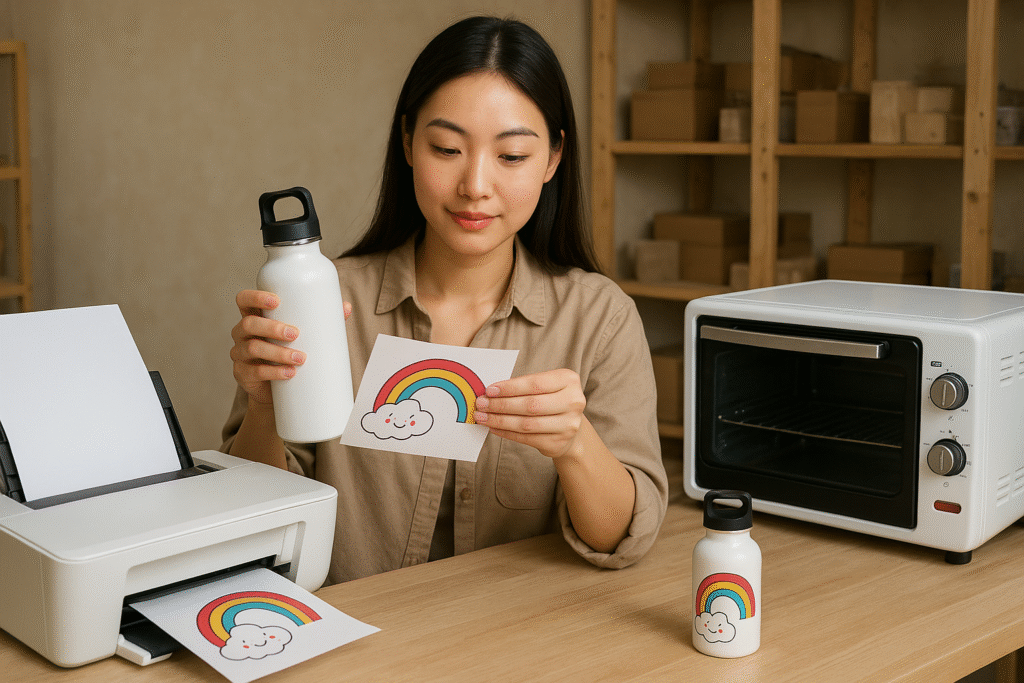
Heat transfer printing is a process where a design is applied from special paper to an item, like fabric or a mug, using heat and pressure. It's perfect for creating custom products because it handles detailed, full-color images well, especially for small orders.
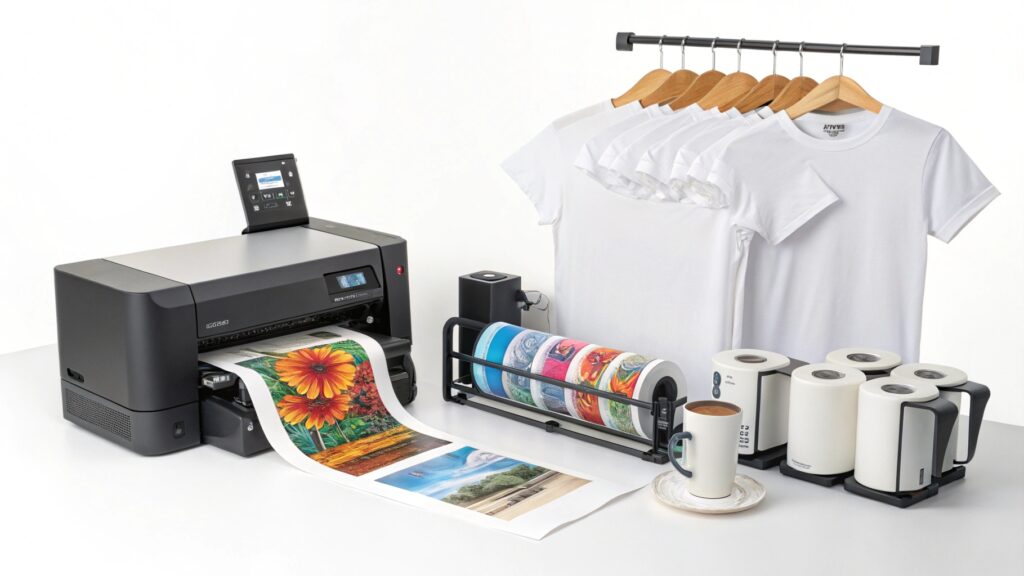
When I first started in a sublimation factory, I was amazed by how a simple sheet of paper could create such a vibrant, permanent design. It looked like magic, but it’s actually a brilliant and accessible technology. It’s the journey that helped me build my own business, and I want to share what I’ve learned so you can get started too. Let's break down this process so you can feel confident using it for your own projects.
Is Heat Transfer Printing A Good Choice For Your Project?
Are you worried your custom print will just fade or peel off after the first wash? You want professional, lasting results, but aren't sure which printing method delivers that quality.
Yes, heat transfer printing is a very good choice for many projects. When done correctly, it creates vibrant, durable, and wash-resistant designs on both clothing and hard goods. Its quality can easily match other printing methods if you use the right materials.
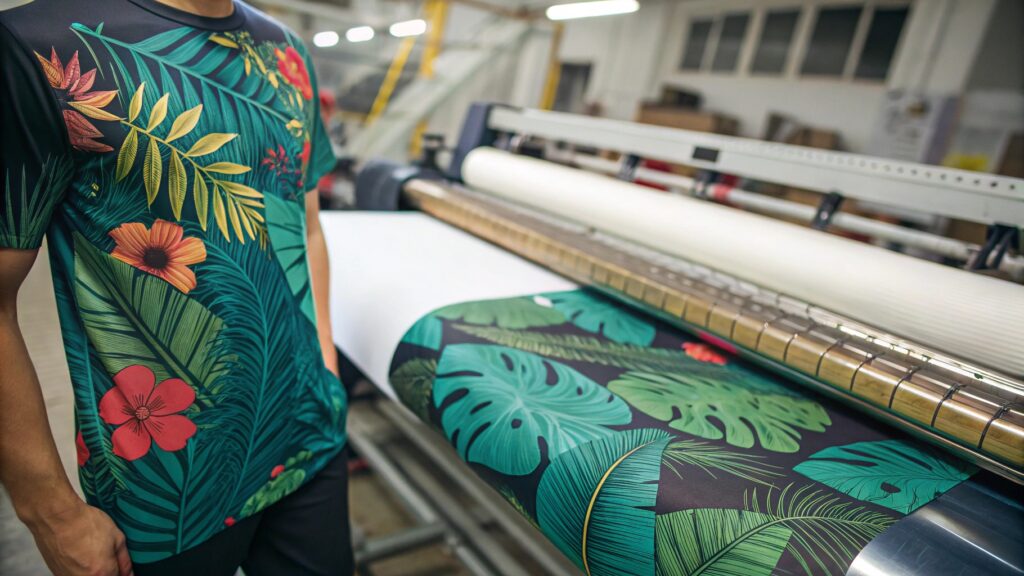
In my experience, the quality of a heat transfer print comes down to the details. A product and heat transfer specialist I often consult with, Alex, always emphasizes this. He says achieving a high colorfastness grade (like a 4-5, which means it resists fading very well) depends on matching the right transfer paper to the right fabric and calibrating the heat press perfectly. It’s not just about the print itself, but the science behind making it stick. When these elements align, the results are fantastic and incredibly durable. For anyone starting out, this method offers a great balance of quality, cost, and versatility.
Let's look at the pros and cons to see if it fits your needs.
| Pros of Heat Transfer Printing | Cons of Heat Transfer Printing |
|---|---|
| Excellent for Full-Color Photos: It perfectly reproduces detailed, multi-color, and photographic images without extra setup costs. | Feel on the Garment: Some transfers, especially for dark fabrics, can leave a noticeable film or "hand" on the shirt. |
| Cost-Effective for Small Batches: You can print just one item affordably, unlike screen printing which requires high volumes. | Specific Material Needs: The best results are often limited to specific materials like polyester (for sublimation) or cotton. |
| High Versatility: The same setup can be used to print on t-shirts, hats, mugs, tote bags, and even ceramic tiles. | Potential for Cracking/Fading: If done with low-quality materials or incorrect settings, the design can crack or fade over time. |
How Can You Define Heat Transfer Printing In Simple Terms?
Trying to explain heat transfer printing to someone? It can sound technical and more complicated than it really is, making it hard to understand the basic idea. Let's simplify it.
Think of it like a high-tech iron-on. You first print a design onto a sheet of special paper, then you use a machine called a heat press to transfer that design permanently onto your product, like a t-shirt or a mug.
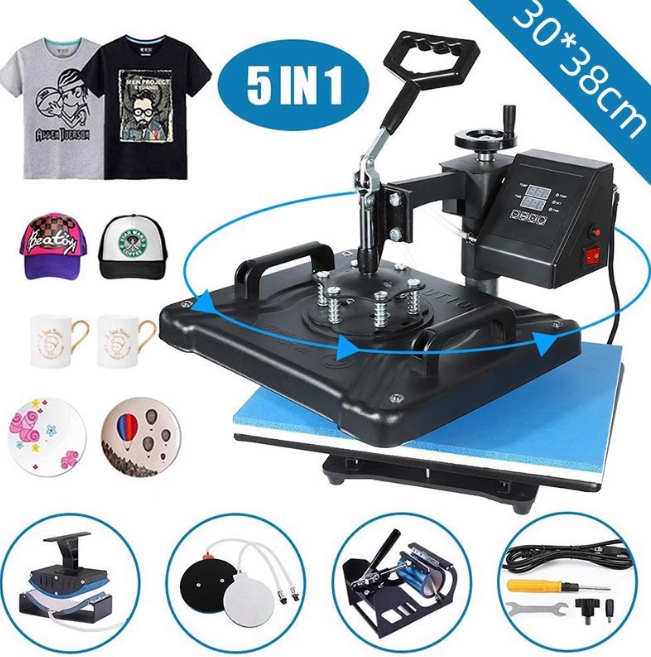
At its core, heat transfer printing is all about a simple recipe. When I was learning the ropes in the factory, my mentor showed me that success depended on three key ingredients:
- Heat: The press needs to be hot enough to activate the ink and open up the fibers of the material.
- Pressure: Firm, even pressure ensures the design makes full contact with the item for a clean transfer.
- Time: The design needs to be pressed for a specific amount of time—too little and it won't stick, too much and it could burn.
Every item had a different "recipe." A cotton t-shirt needed different settings than a ceramic mug or a polyester sports jersey. This combination of heat, pressure, and time is what takes a design from a piece of paper and fuses it permanently onto a product. It’s a beautifully simple concept that allows for endless creativity once you learn the right recipes.
What Is The Process Behind How A Heat Transfer Printer Works?
Are you confused about the equipment? You hear the word "printer" and might think one machine does it all, but it’s a bit more involved than just clicking a button.
A "heat transfer printer" is not a single machine but a two-step system. First, an inkjet or laser printer prints your design onto special transfer paper. Second, a completely separate machine called a heat press applies the heat and pressure to transfer it.
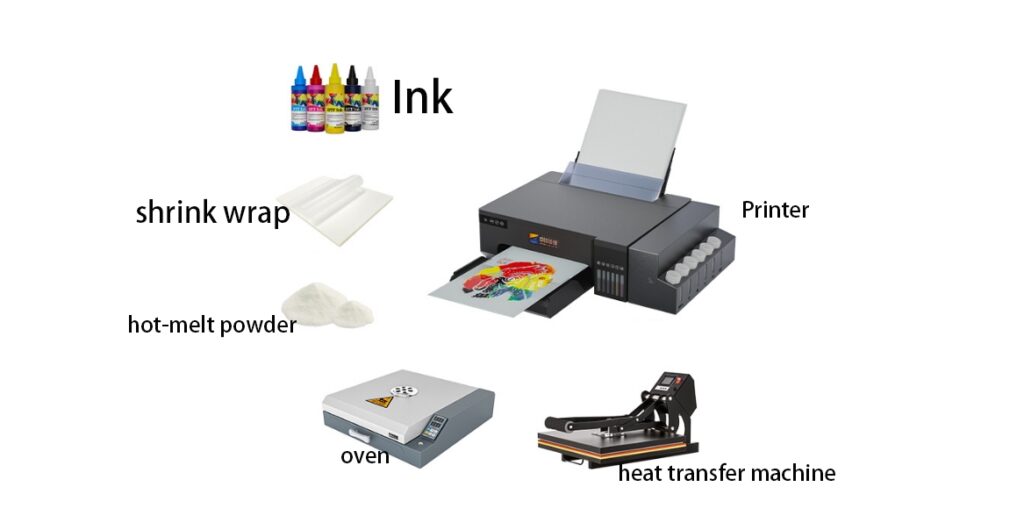
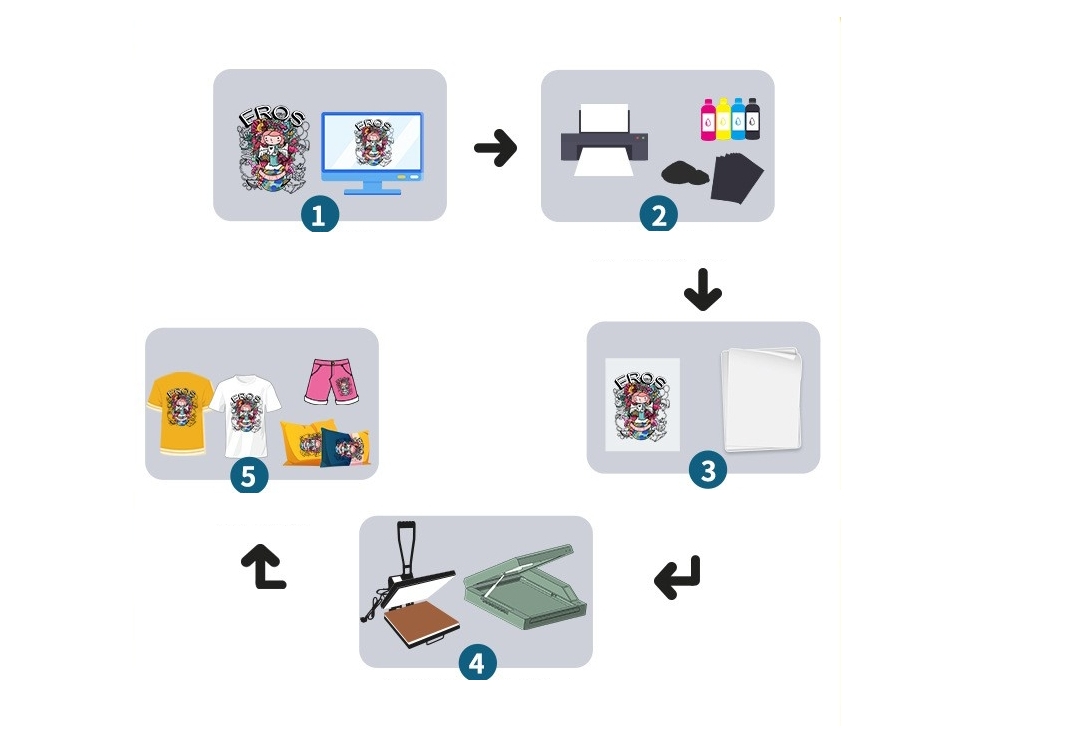
Breaking it down makes it much easier to understand. The whole workflow that experts like Alex use every day can be simplified into a few clear stages. From creating the design to the final product, each step is crucial for a great result. I learned this firsthand; skipping a step or using the wrong setting can ruin an entire batch.
Here's the typical workflow you would follow:
- Design Creation: First, you create or finalize your digital design using software on a computer. This could be something simple like text or a complex photograph. Professionals use software like Adobe Illustrator to manage colors perfectly.
- Printing the Transfer: Next, you print the design onto a sheet of heat transfer paper. This is the key step. You must print a mirror image of your design so it appears correctly when pressed. Also, for some methods like sublimation, you need special ink.
- Preparing for Pressing: You then place your item (e.g., a t-shirt) onto the heat press. You position the printed transfer paper face down on the item where you want the design to go. I always use a little heat-resistant tape to keep it from moving.
- The Heat Press: Finally, you close the heat press. The machine applies specific temperature and pressure for a set amount of time. Once the timer goes off, you open the press and peel away the paper, revealing your finished, decorated product!
What Equipment And Supplies Do You Really Need For Heat Transfer printing?
Are you excited to start your own heat transfer projects? It's easy to get overwhelmed by all the different products and tools available, and you don't want to waste money.
To get started, you really only need a few key items: a computer with design software, a printer loaded with the right ink (like sublimation or pigment ink), special heat transfer paper, and a heat press. And, of course, a blank item to print on.
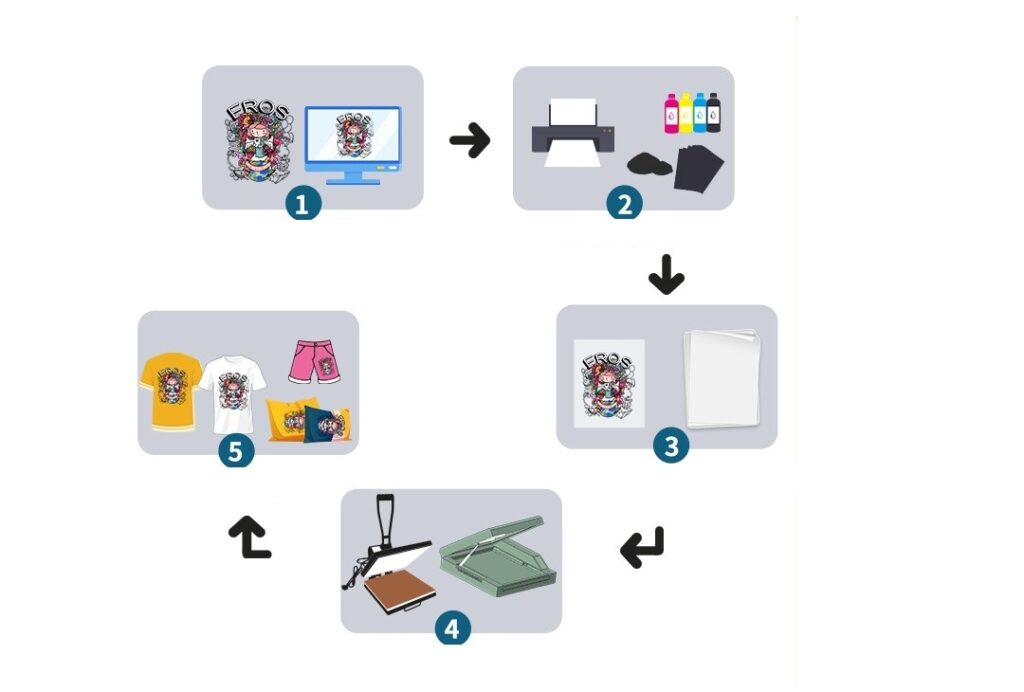
When I was building my business, I started with the basics. You don't need the most expensive, industrial-grade equipment right away. The key is to invest in a decent heat press, because that’s where the magic really happens. An unreliable press with uneven heat will give you inconsistent results no matter how good your printer or paper is. As you grow, you can upgrade your equipment, but a solid starter kit will let you create amazing, professional-quality products from day one. It's how I helped many of my clients start their own successful businesses.
Here’s a simple checklist of what you need:
| Category | What You Need | Why You Need It |
|---|---|---|
| Essential Equipment | Computer & Design Software | To create and edit the images you want to print. Even free software works! |
| Printer (Inkjet is most common) | To print your design onto the transfer paper. The type of ink is important. | |
| Heat Press | The most critical tool. It provides the even heat and pressure needed for a durable transfer. | |
| Essential Supplies | Heat Transfer Paper | This special paper holds the ink and releases it under heat. There are different types for light and dark fabrics. |
| Ink | For sublimation, you need specific sublimation ink. For other transfers, pigment ink is often recommended for durability. | |
| Blank Items (Substrates) | T-shirts, mugs, hats, tote bags—whatever you want to decorate! | |
| Helpful Accessories | Teflon Sheet/Parchment Paper | Protects your garment from direct heat and prevents ink from staining your heat press. |
| Heat-Resistant Tape | To hold your transfer paper perfectly in place on the item during pressing. |
Conclusion
Heat transfer printing is a versatile and accessible way to create custom products. With the right equipment and a little practice, you can bring your creative ideas to life.

Hi there! I'm Lucy, the guardian angel of two good children. During the day, I am a professional in the heat transfer printing industry, from factory workshops to running my own business. Here I share what I have learned - let's grow together!