What is a Sublimation T-shirt?

You've seen those stunning T-shirts with vibrant, full-color photos that seem to be part of the fabric itself. You wonder how it's possible when your vinyl designs feel thick and can peel off.
A sublimation T-shirt is a garment where special ink has been turned into a gas and infused directly into the polyester fibers. The result is a permanent, zero-feel, and incredibly vibrant design that will not crack or fade.
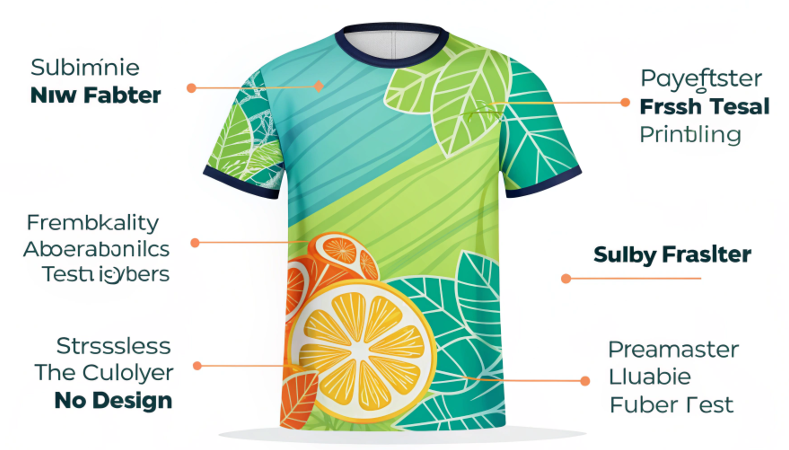
The first time I saw a photo-quality design on a shirt at a trade show, I had to touch it. I couldn't feel anything. The design wasn't sitting on top of the shirt; it was the shirt. That was my introduction to sublimation, and it completely changed my view on what was possible in the custom apparel industry. It’s a process that creates a truly premium product that customers can see and feel the difference in. Let's break down exactly what you need to know to create these amazing shirts yourself.
What type of T-shirt do you need for sublimation?
You pressed your new design onto a 100% cotton shirt, and it looked great. But after one wash, the entire image nearly disappeared, leaving you confused and frustrated.
For sublimation, you must use T-shirts with a high polyester count, ideally 100% polyester for the most vibrant colors. The sublimation ink is scientifically designed to bond only with polyester fibers.
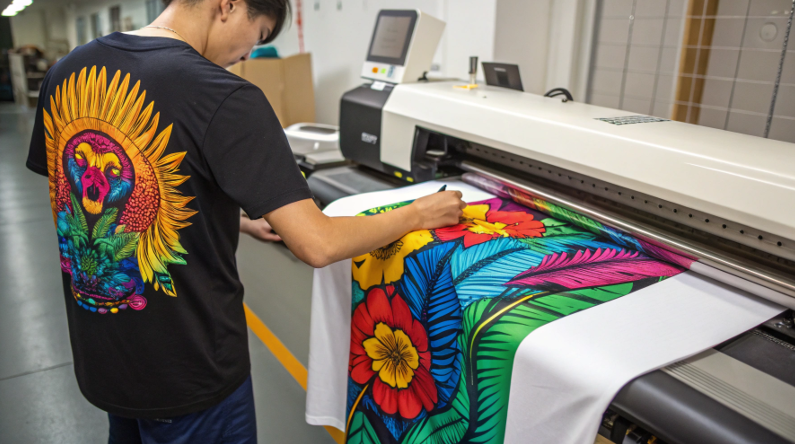
My product specialist, Alex, calls this the "golden rule" of apparel sublimation. The ink and the polyester fabric are a chemical match. When heated, the ink turns to gas, and the pores of the polyester fibers open up, allowing the gas to enter. As it cools, the pores close, permanently trapping the color inside the fiber. Natural fabrics like cotton don't have these pores, so the ink has nothing to bond with and simply washes away. While 100% polyester gives you the brightest, most photo-realistic results, you can use blends. Just know that the ink will only bond to the polyester threads, giving you a more faded, "vintage" look, which can be a cool style choice if done intentionally. But for true, popping color, pure polyester is the only way to go.
| Fabric Composition | Expected Print Result | Best Use Case |
|---|---|---|
| 100% Polyester | Full, vibrant, and sharp colors | Photographic images, bold graphics, team logos |
| 65% Polyester / 35% Cotton | Faded, "vintage" appearance | Retro designs, stylistic prints |
| 50% Polyester / 50% Cotton | Very faded and muted colors | Not recommended for most professional jobs |
| 100% Cotton | Almost no image transfers, washes out | Cannot be used for sublimation |
What are the disadvantages of sublimation shirts?
Sublimation seems like the perfect decoration method. But you're smart enough to know there must be some limitations, and you want to know what they are before you invest.
The two main disadvantages of sublimation are its material and color limitations. It works only on high-polyester content fabrics and can only be used on light-colored or white garments, not on black or dark T-shirts.
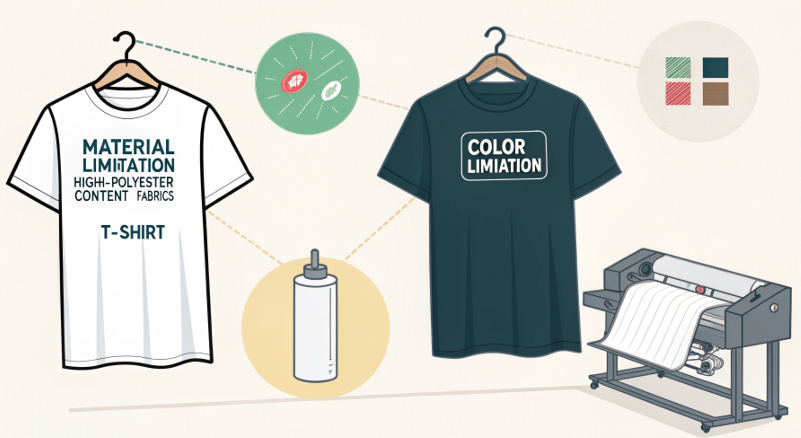
Understanding the limitations is just as important as knowing the benefits. It prevents costly mistakes and helps you set the right expectations for your customers. First, there is the polyester rule we just discussed. Second is the color limitation. Sublimation ink is transparent. Think of it like using a highlighter. You can highlight a word on white paper and it looks bright. But if you try to highlight a word on black paper, you won't see anything. The same is true for sublimation. You need a white or very light-colored fabric so the colors of your ink can show up properly. There is no white sublimation ink, so any white in your design will simply be the color of the shirt showing through. Another small issue to be aware of is the potential for white creases where the fabric was folded during pressing (like under the arms), but this can be avoided with good technique.
Which is better, Cricut or sublimation?
You are ready to start making shirts, but your budget is limited. You are stuck trying to decide between buying a Cricut for vinyl or investing in a sublimation printer setup.
Neither is "better"—they are different tools for different jobs. Sublimation is for unlimited-color, photo-quality designs on polyester. Cricut (with Heat Transfer Vinyl) is for simpler, opaque graphics on any fabric, including cotton and dark colors.
I advise clients to think about what kind of business they want to run. Do you want to sell shirts with beautiful, complex watercolor art or photos of pets? Sublimation is your answer. Do you want to create bold, glittery text for a bachelorette party on black cotton shirts? You need Heat Transfer Vinyl (HTV) and a Cricut. They solve different problems. Sublimation gives you a soft, breathable, and permanent design. HTV places a layer of vinyl on top of the fabric, which you can feel. It's fantastic for its versatility with fabrics and its ability to work on dark colors, but it's not suited for complex images. Many successful businesses, including ones I have helped grow, eventually use both methods to offer the widest range of products to their customers.
| Feature | Sublimation | Heat Transfer Vinyl (HTV) |
|---|---|---|
| Best For | Full-color photos, gradients, complex art | Bold text, logos, simple shapes |
| Fabric | Polyester only (light colors) | Works on cotton, poly, blends (any color) |
| Feel on Shirt | Zero feel, part of the fabric | A tangible layer on top of the fabric |
| Durability | Permanent, will not crack or peel | Very durable, but can eventually peel |
| Color Palette | Unlimited digital colors | Limited to the vinyl colors you own |
Do sublimation T-shirts last?
You're worried about selling a product that looks great at first but then fades after a few washes. You want to build a reputation for quality, not for making throwaway clothing.
Yes, sublimation T-shirts are exceptionally long-lasting. Because the ink is permanently fused into the fabric's fibers, the design will not crack, peel, or fade, and it will last for the entire life of the garment.
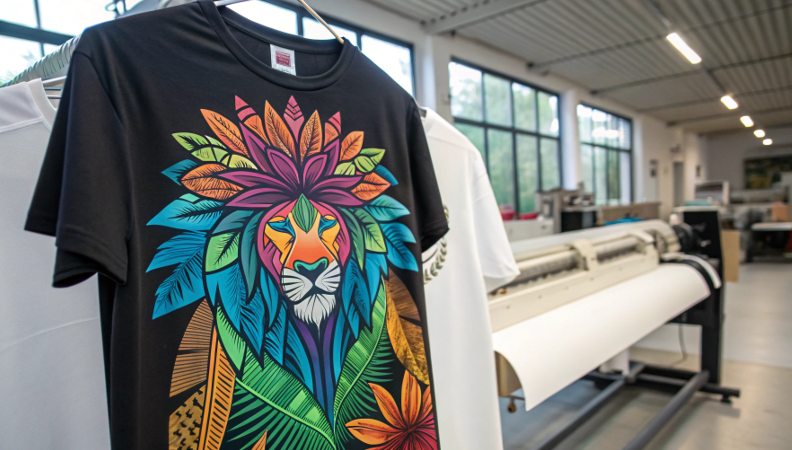
The durability is the biggest selling point of sublimation. I have shirts I made for myself years ago that have been through the washer and dryer countless times, and the design looks just as bright as the day I pressed it. From a technical standpoint, a properly made sublimation print achieves a Grade 4-5 colorfastness rating, which is the industry standard for high-quality athletic wear. The design essentially becomes a permanent part of the shirt's DNA. This is a huge advantage over other methods. HTV can start to peel at the edges after many washes. Some screen prints can crack as the shirt stretches over time. A sublimation design is completely immune to these problems. When you sell a sublimation shirt, you can confidently tell your customer that the design will last forever.
Conclusion
A sublimation T-shirt is a premium product with a permanent, no-feel design. By using the right polyester fabrics, you can create durable, vibrant apparel that your customers will love for years.

Hi there! I'm Lucy, the guardian angel of two good children. During the day, I am a professional in the heat transfer printing industry, from factory workshops to running my own business. Here I share what I have learned - let's grow together!