What is Dye Sublimation Printing and How Does It Actually Work?
You want to create custom products with vibrant, lasting designs. But your prints end up cracking, peeling, or fading after just a few washes, making your hard work look unprofessional.
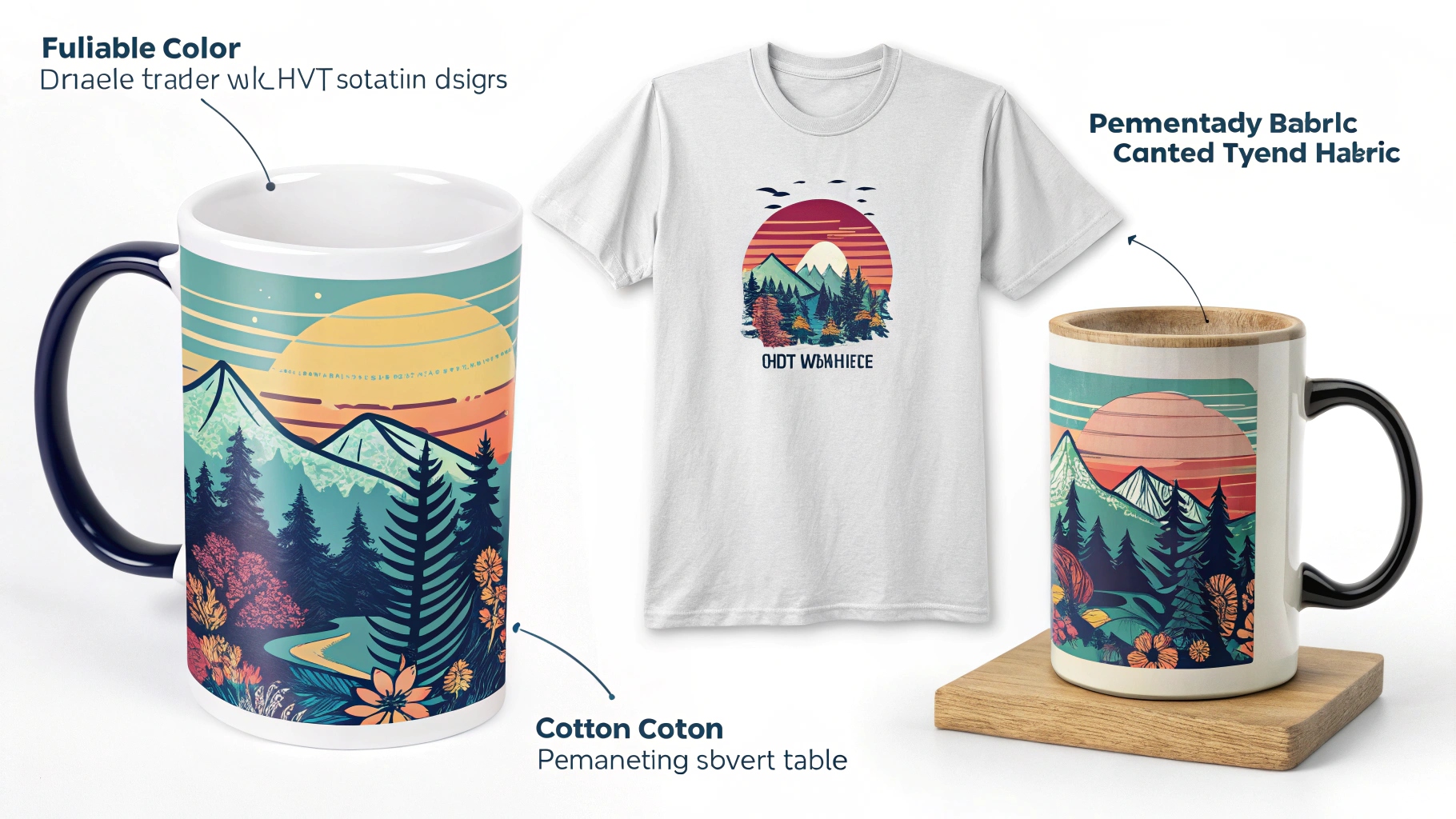
Dye sublimation is a printing process that uses heat to transfer dye onto a material. The heat turns the solid ink into a gas that embeds itself into the polyester fabric or coating of a blank, creating a permanent, vibrant, full-color image that will not fade or crack.
When I first heard about sublimation, it sounded like complex science. But when I saw a t-shirt come out of the heat press with a design that was completely smooth to the touch, I knew it was a game-changer. The ink wasn't sitting on top of the fabric; it was the fabric. This method is the secret behind so many professional products, and understanding the basics is the first step to creating them yourself. Let's break down what you'll need to get started.
What equipment is actually needed for sublimation?
Are you feeling overwhelmed by long lists of expensive gear to start a new hobby? Buying the wrong equipment is a costly mistake that can stop you before you even begin.
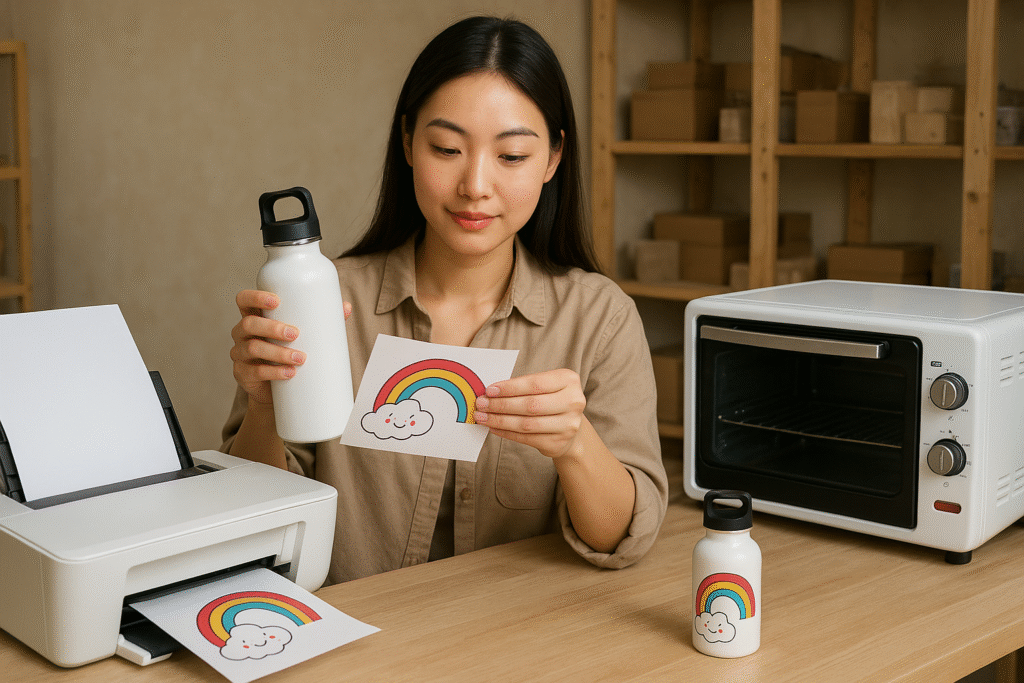
To start sublimation, you need four essential items: a dedicated sublimation printer with sublimation ink, special sublimation paper, a heat press for consistent heat and pressure, and compatible items to print on, known as "blanks," which must be polyester or have a polymer coating.
!
Think of these four items as a team; you can't get results if one is missing. I learned this the hard way when I tried using regular printer paper. The result was a faded, blurry mess because the paper absorbed the ink instead of releasing it. Our specialist, Alex, always says, "Success is in the system." You need the right printer with the right ink, the right paper to carry it, the right blank to receive it, and the right heat press to make the magic happen. Investing in these core components is the foundation for creating high-quality, professional products every single time.
The Essential Sublimation Toolkit
| Equipment | Purpose & Key Details | Why It's Essential |
|---|---|---|
| Sublimation Printer | A printer (like a Sawgrass or converted Epson) designed to handle sublimation ink. | Standard inkjet printers and inks will not work for this process. |
| Sublimation Ink | A special dye that turns from a solid into a gas when heated. | This is the "dye" in dye sublimation. It's what infuses into the material. |
| Sublimation Paper | Coated paper designed to release the ink as a gas under heat. | Regular paper absorbs the ink, preventing a proper transfer. |
| Heat Press | A machine that provides precise, even heat and pressure. | A standard iron doesn't get hot enough or apply consistent pressure. |
So, how do you actually do dye sublimation?
You have all the right gear, but your results are still disappointing. Wasting expensive mugs and t-shirts with blurry or faded prints is incredibly frustrating and costly for your business.
To do dye sublimation, you print a mirrored design on sublimation paper. Then, you secure the paper to an approved blank and use a heat press to apply specific heat and pressure. This transforms the ink into a gas that permanently infuses into the item's surface.
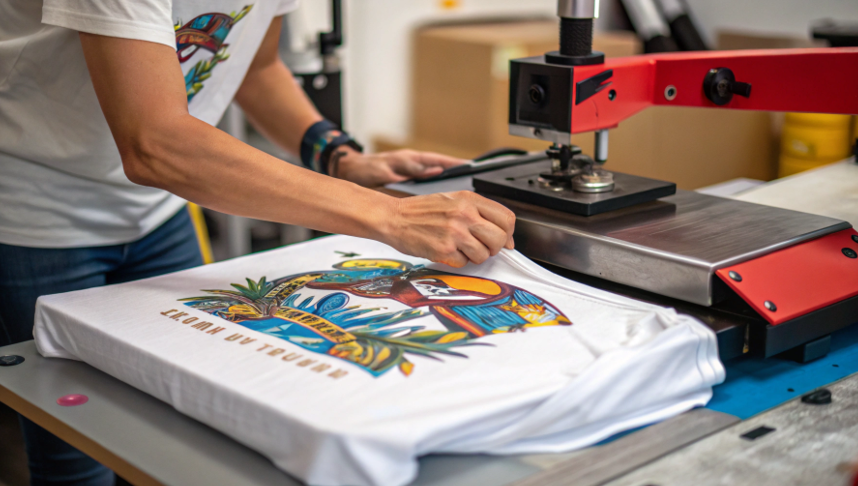
The process itself is surprisingly straightforward once you break it down into stages. Alex, our printing specialist, always emphasizes quality control at each step. He says, "A great final product is the result of getting every small detail right along the way." A tiny piece of lint on a t-shirt can create a blue speck, and paper that isn't taped down securely can shift and cause a "ghost" image. Following a consistent workflow is the key to moving from frustrating mistakes to predictable, professional-quality results. Let's walk through those exact steps.
The Four Stages of Sublimation
| Stage | Action Steps | Pro Tip |
|---|---|---|
| 1. Design & Print | Create your artwork in design software. Crucially, you must mirror the image before printing. Then, print it onto sublimation paper using your sublimation printer. | Use high-resolution images (300 DPI) for the sharpest results. |
| 2. Preparation | Preheat your heat press. Clean your blank to remove any dust or lint. Securely tape your printed design face-down onto the blank using heat-resistant tape. | Never skip the cleaning step. Dust and lint can ruin a print. |
| 3. Transfer | Place the blank in the heat press. Use protective paper (like butcher or parchment paper) above and below it. Press for the recommended time, temperature, and pressure. | Every blank has its own "recipe." Always check the supplier's recommendations. |
| 4. The Reveal | Once the time is up, carefully open the press. Wearing heat-proof gloves, remove the item and immediately peel off the paper. Let it cool completely. | Peeling the paper while it's still hot (a "hot peel") gives the cleanest release. |
Is it perfect? What is the drawback of a dye sublimation printer?
You see the stunning, permanent results of sublimation and are ready to invest. But you're worried about the hidden limitations and costs that could make it the wrong choice for you.
The primary drawbacks of sublimation are its material limitations, as it only works on white or light-colored polyester or specially coated items. It cannot print white ink, making it unsuitable for dark surfaces, and the initial equipment cost for a reliable setup can be high.
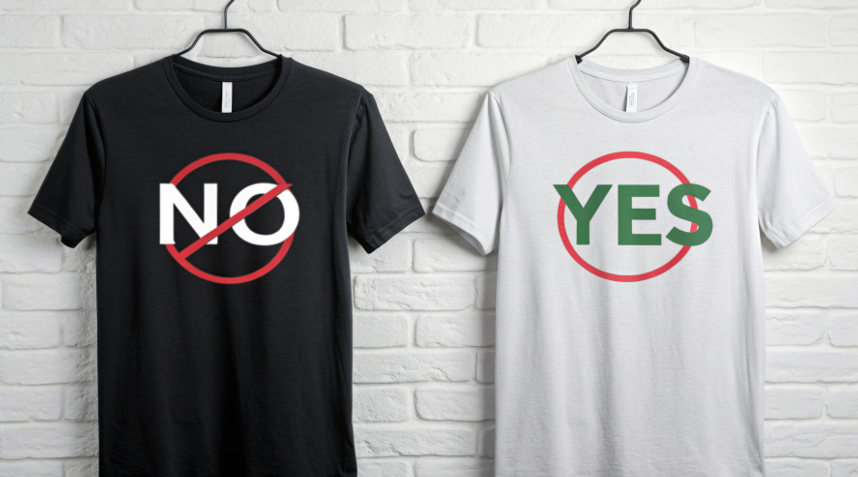
I almost made a huge mistake when I started. I bought a hundred black cotton shirts, thinking I could sublimate them. I quickly learned that the science just doesn't work that way. Sublimation ink is transparent, so it needs a white or very light background to show up correctly. And it needs polyester fibers to bond with. Understanding these limitations is not a reason to avoid sublimation, but it is essential for building a successful business plan. You must source the right products and educate your customers on what is possible. It's about working with the technology, not against it.
Sublimation: The Pros and Cons
| Drawbacks | Explanation |
|---|---|
| Material Limitation | The process requires synthetic polymers. It will not work on natural fibers like 100% cotton or on uncoated hard surfaces like plain glass or metal. |
| Color Limitation | Sublimation ink is translucent, not opaque. It cannot print on black or dark-colored items because colors won't show up. It works best on a white background. |
| Upfront Cost | A quality sublimation printer, a reliable heat press, and the special inks and paper represent a significant initial investment compared to a vinyl cutter setup. |
| Ink Maintenance | Sublimation printer heads can clog if not used regularly. This requires maintenance and can lead to wasted ink during head-cleaning cycles. |
Conclusion
Dye sublimation is a fantastic process for creating durable, photo-quality custom products. While it has limitations with materials and color, understanding the required equipment and steps is the key to success.

Hi there! I'm Lucy, the guardian angel of two good children. During the day, I am a professional in the heat transfer printing industry, from factory workshops to running my own business. Here I share what I have learned - let's grow together!