What is sublimation in printing?
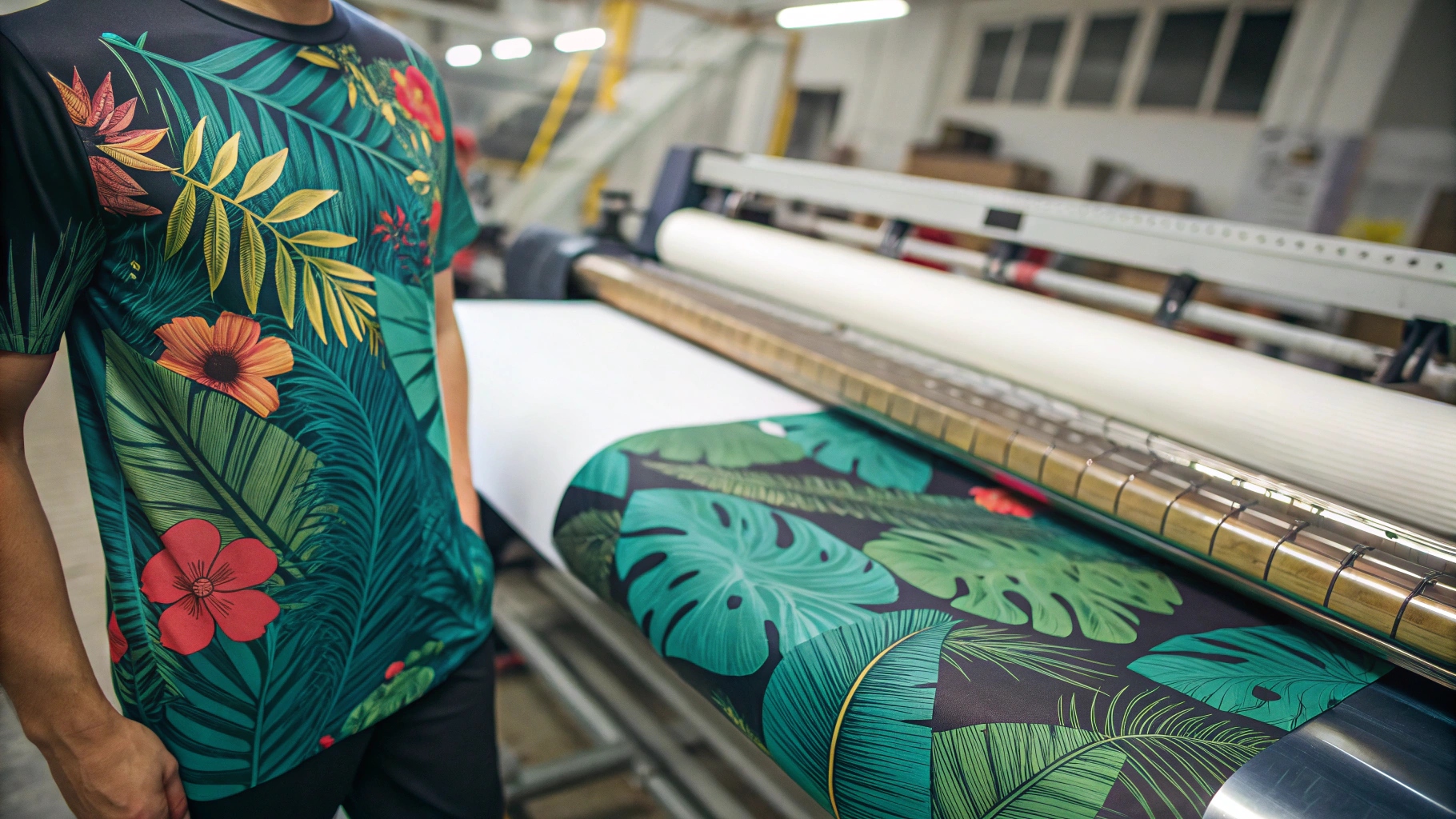
Confused by printing jargon? Choosing the wrong method means faded designs and wasted money. I'll explain sublimation printing simply to help you build a successful business from the ground up.
Sublimation printing is a process that uses heat to transfer dye onto a material. The special solid ink turns into a gas, skipping the liquid phase, and infuses into polyester or polymer-coated items. This creates a permanent, vibrant image that won’t peel, crack, or fade away.

When I first started in a sublimation factory, I was just an employee with a passion for creating things. I saw firsthand how this amazing technology worked, and it blew my mind. It was nothing like the iron-on transfers I knew. This was different—it was permanent and professional. Understanding this process was the first step on my journey to financial independence, and it’s a journey I want to help you start too. Let's dig a little deeper into what makes this printing method so special.
What exactly does sublimation printing mean?
The term "sublimation" sounds scientific and very complicated. This can make you feel like it's a difficult process to learn. Let's break down what it really means in simple terms.
Sublimation printing means your design becomes a part of the actual material. The ink turns from a solid to a gas under heat and pressure. It then permanently bonds with polyester fibers. This results in a smooth, brilliant finish that you can't even feel with your hand.
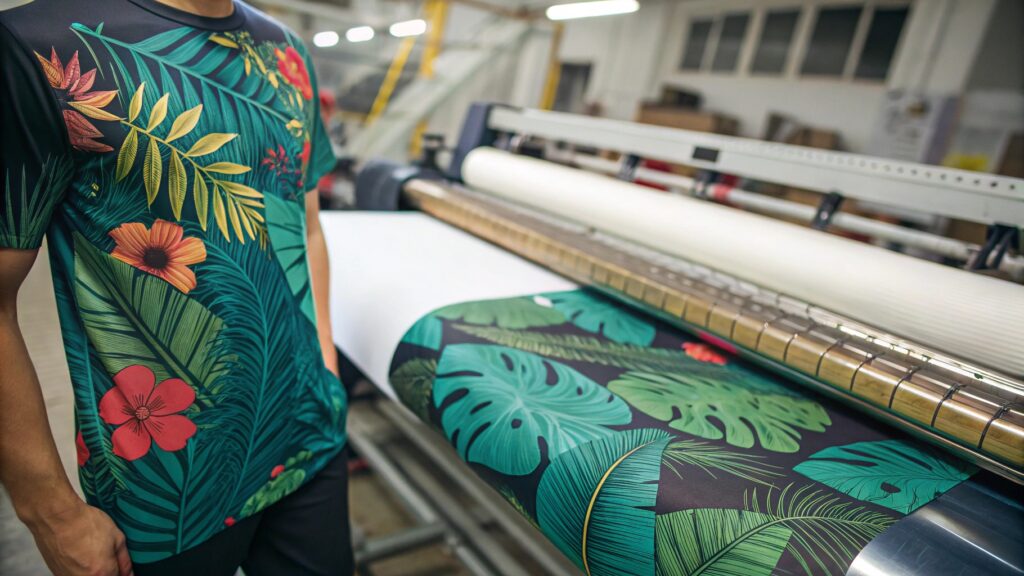
When I first saw it happen in the factory, it felt like magic. A design printed on a piece of paper was placed on a blank white coffee mug. After a few minutes in a hot press, the paper was peeled away, and the design was perfectly and permanently on the mug. The paper was now faded, and the mug was brilliant. My colleague Alex, our printing tech specialist, explained the science to me. He said to think of it like dry ice—it turns straight from a solid to a gas. The heat opens up the pores of the polyester or the special polymer coating on the mug, and the gas ink flows right in. As it cools, the pores close, trapping the ink forever. That's why it's so durable and why it only works on specific materials.
Here’s a simple breakdown of the key parts:
| Term | What It Means in Simple Terms |
|---|---|
| Sublimation Ink | Special dyes that turn into a gas when heated. |
| Substrate | The blank item you are printing on, like a shirt or a mug. |
| Polymer Coating | A clear coating required for hard items like metal or ceramics. |
| Heat Press | The machine that provides the heat and pressure needed for transfer. |
How is sublimation different from regular printing?
All the different printing methods can seem the same at first. But choosing the wrong one can lead to designs that peel, crack, or fade fast. I'll help you understand the key differences.
The biggest difference is that regular printing lays ink on top of a surface, while sublimation infuses ink into the surface. This means sublimation designs are permanent and have no texture. Regular prints, like from an iron-on, often feel like a layer and can be damaged over time.
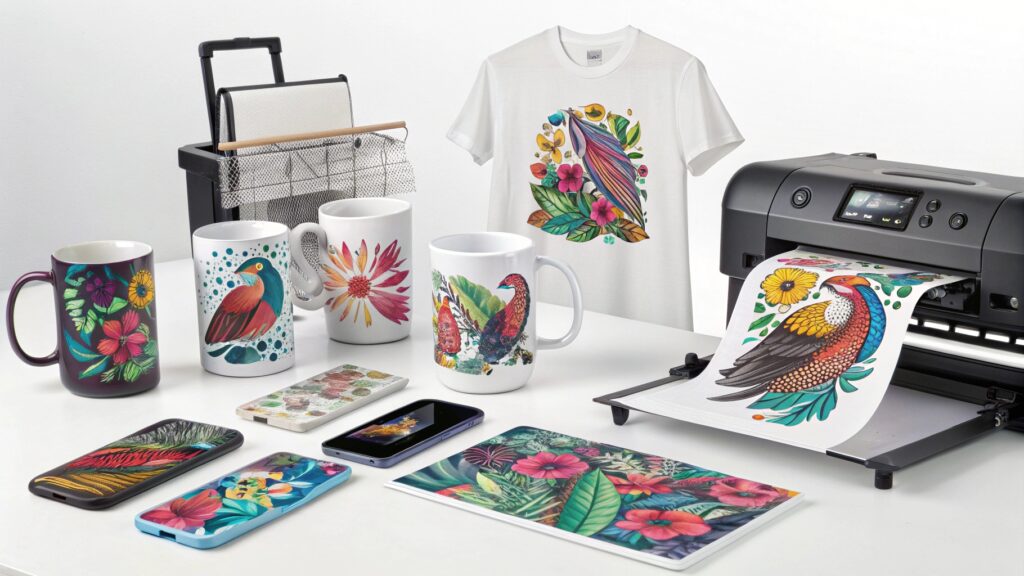
I remember a client who came to me with a problem. They were using heat transfer vinyl (HTV) for their sports jerseys, but customers complained that the numbers and logos were cracking after a few games. I introduced them to sublimation. When they saw that the design became part of the fabric and stretched with it, they were sold. Alex, my technical expert, often has to explain this to people looking to print on 100% cotton. He tells them sublimation just won't work on natural fibers because they don't have the synthetic pores that open with heat. For those projects, he recommends other methods like Direct-to-Garment (DTG). The "feel" of the final product is a huge selling point. You can run your hand over a sublimated shirt and it feels exactly like the rest of the fabric.
Here is a table to make the differences crystal clear:
| Feature | Sublimation Printing | Regular Printing (e.g., HTV/Screen) |
|---|---|---|
| Process | Ink becomes gas, infuses into the material | Ink sits on the surface as a layer |
| Feel | Completely smooth, no texture | You can feel the design on the surface |
| Durability | Permanent, won't crack, peel, or fade | Can wear down, crack, or peel with use |
| Materials | Best for 100% polyester or polymer-coated items | Works on cotton, blends, and other materials |
| Colors | Excellent for full-color, realistic photos | Often limited colors, best for simple graphics |
What is the actual technique for sublimation printing?
Knowing the theory of sublimation is a good start. But understanding the hands-on steps can feel scary if you're worried about making costly mistakes. Let's walk through the basic process together.
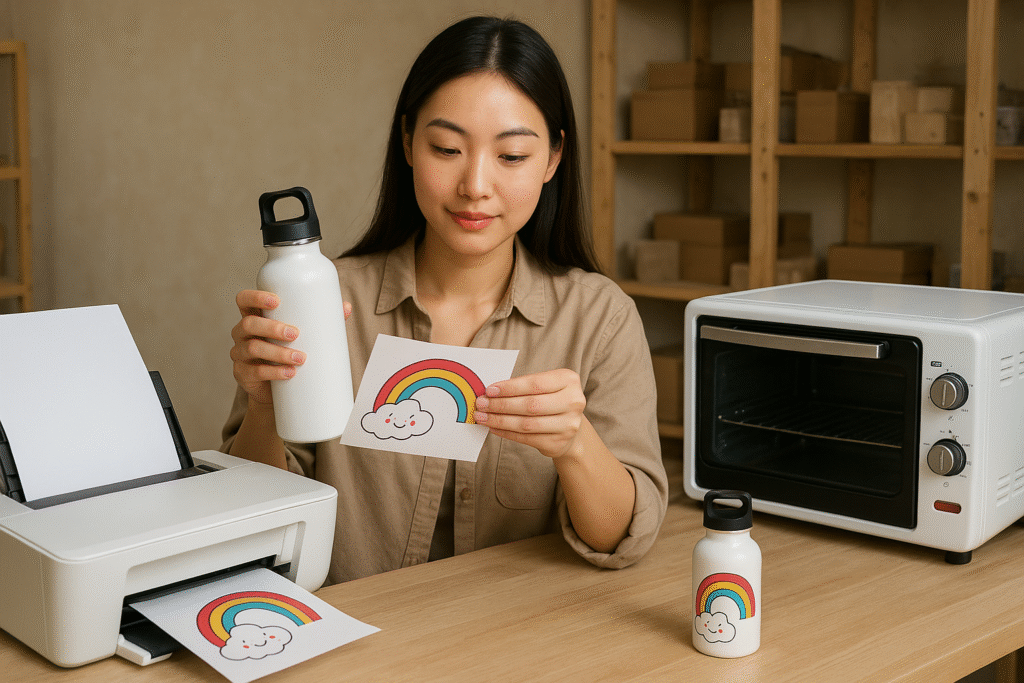
The technique involves printing your design in reverse on special paper with sublimation inks. You then tape this paper to your item and press it in a heat press. The heat and pressure transfer the ink permanently, usually at around 400°F (200°C).
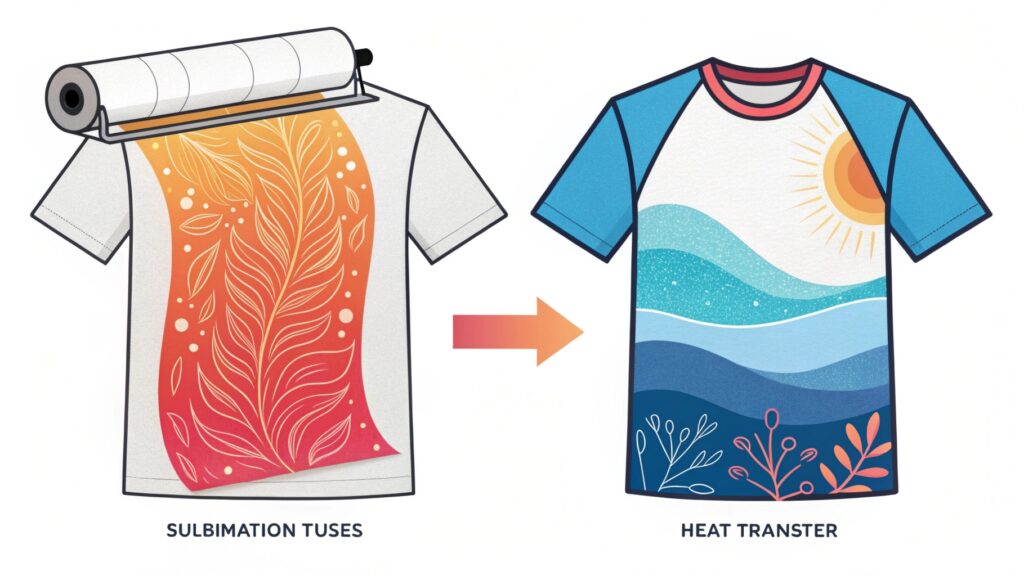
I’ve trained many new business owners, and I always break it down into a few simple steps. The most common mistake I see beginners make is forgetting to mirror their image before printing, especially with text! Doing it right just takes a bit of practice.
- Create Your Design: Use any design software you like.
- Print a Mirror Image: You must print a reversed version of your design onto sublimation paper using a printer filled with sublimation ink.
- Secure Your Design: Use heat-resistant tape to fix the paper onto your blank item (like a shirt or keychain). This prevents the paper from shifting, which can cause blurry "ghosting" effects.
- Press It: This is where the magic happens. Alex always says that "time, temperature, and pressure are your three best friends." Every material is different. A polyester shirt needs less time and pressure than a thick ceramic tile.
- The Reveal: After the timer goes off, carefully peel away the paper. The design will have transferred from the paper to your item, leaving a beautiful, permanent print.
Here are some example settings, but always check the recommendations for your specific sublimation blanks:
| Item | Temperature | Time | Pressure |
|---|---|---|---|
| Polyester T-Shirt | 385°F / 195°C | 45-55 seconds | Medium |
| Ceramic Mug | 400°F / 200°C | 180-210 seconds | Firm |
| Aluminum Panel | 400°F / 200°C | 60-70 seconds | Medium |
So, let's recap: what is sublimation and how does it actually work?
We have covered a lot of information so far. It can be easy for the science and the process to get mixed up. Let's put it all together one more time.
Sublimation is a chemical process where solid ink turns directly into a gas when heated. This gas then flows into the open pores of polyester or a polymer-coated surface. As it cools, the ink turns back to a solid and gets trapped inside, creating a permanent design.
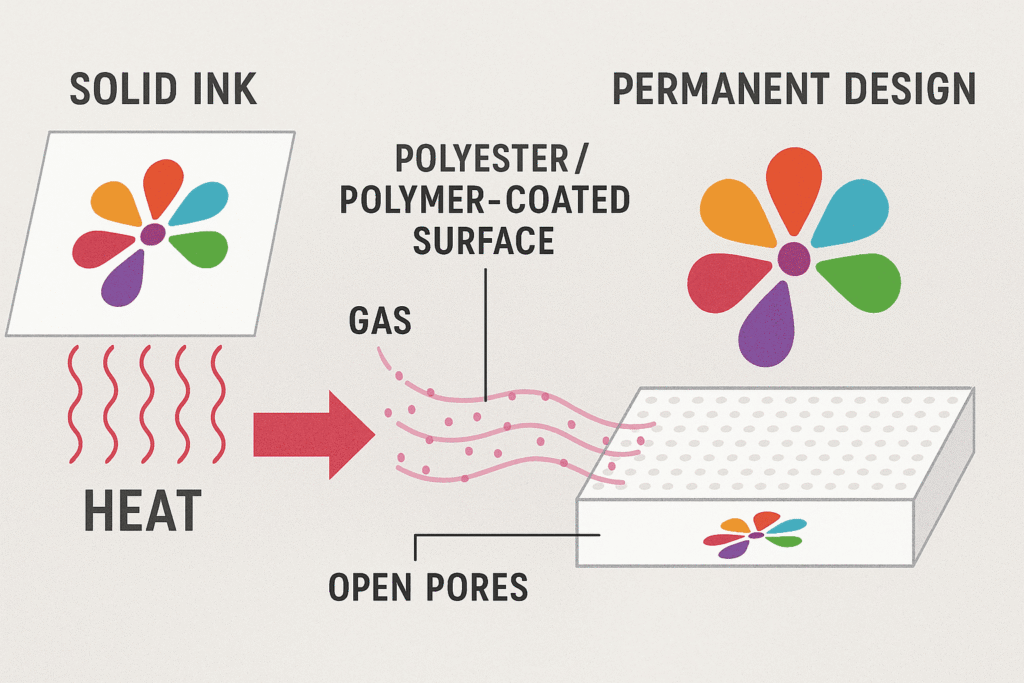
Think of it this way: the process is why the results are so amazing. The ink isn't just a layer of paint sitting on top waiting to be scratched off. It's chemically bonded inside the product itself. This is why a sublimated design is permanent. It can't be washed away or cracked because it has become part of the material's structure. This infusion process is also why the colors are so vibrant and photorealistic. The gaseous dye creates smooth tones without the tiny dots you might see in other types of printing. As Alex explains, this is the key to creating durable and high-quality products. It works because the synthetic polymer fibers in polyester are uniquely designed to open with heat and accept the dye. Natural fibers like cotton will just scorch under the high heat, and the dye has nowhere to go, which is why it just washes right out. It's this unique science that helps you create premium products that your customers will love.
Conclusion
Sublimation printing turns solid ink into gas, permanently bonding it to your items. This creates vibrant, durable designs that help you build a successful and high-quality printing business.

Hi there! I'm Lucy, the guardian angel of two good children. During the day, I am a professional in the heat transfer printing industry, from factory workshops to running my own business. Here I share what I have learned - let's grow together!