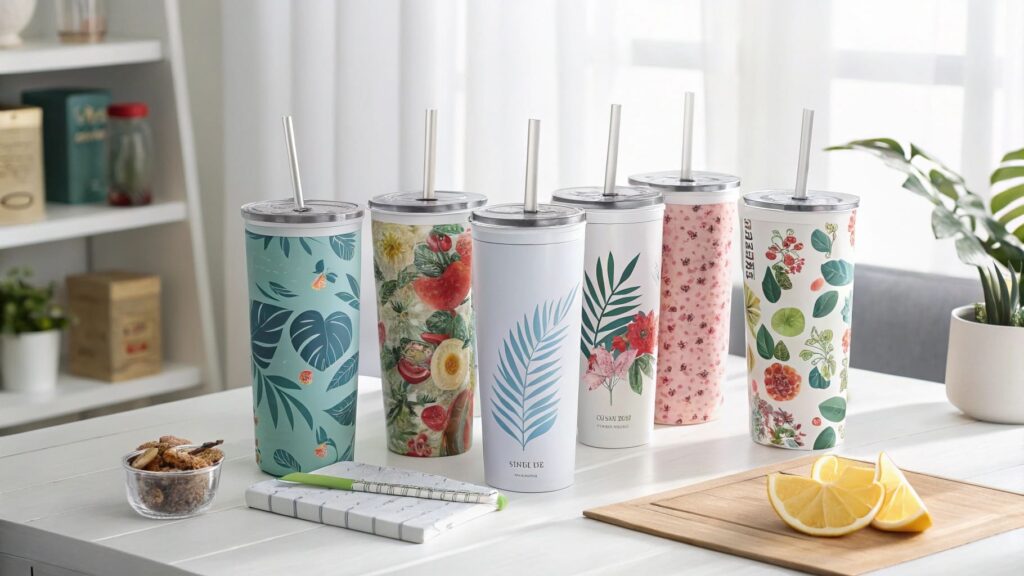
What Is Sublimation Printing? A Practical Guide for Custom Tumbler & Mug Businesses
Struggling to offer custom products that look truly premium and last for years?
If your prints are fading, peeling, or cracking, the problem isn’t your design — it’s your printing method or blank quality.
Sublimation printing is the industry-standard solution used by professional custom tumbler, mug, and promotional gift manufacturers because it produces vibrant, permanent, full-color results that never peel or wash off.
Sublimation printing is a digital printing process that uses heat to transfer ink into polyester or polymer-coated products such as mugs, tumblers, bottles, and metal blanks. The ink turns into a gas and bonds inside the coating, creating a permanent, scratch-resistant image.
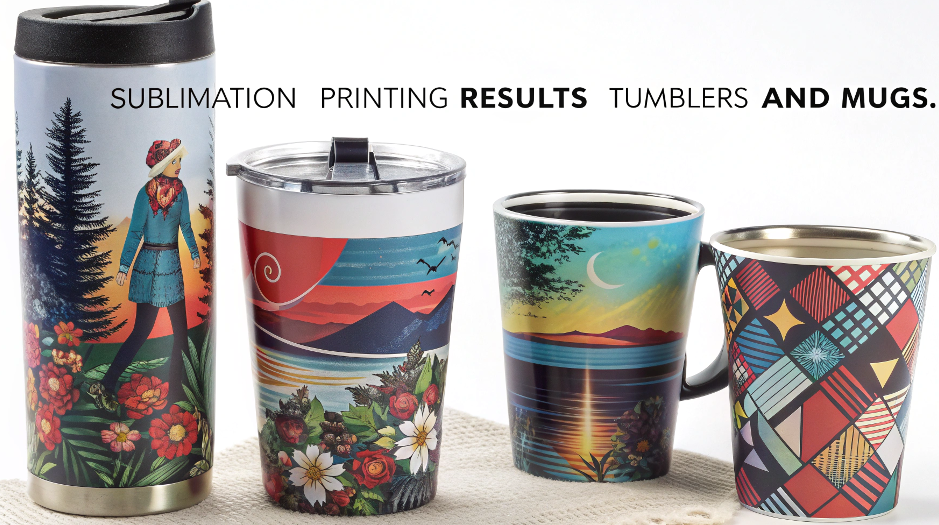
In our factory, we see this transformation every day. Plain white tumblers, mugs, and bottles become branded retail produc# What Is Sublimation Printing, and How Can It Build My Business?
You see beautiful custom tumblers and mugs, but the process seems complex. Starting your own personalized gift business feels out of reach, like it's a secret you're not in on.
This barrier keeps you from turning your creativity into profit. You feel stuck, unable to tap into the huge market of people who want unique, personalized products for themselves and their loved ones.
Sublimation is a simple heat transfer process where ink turns into a gas and permanently becomes part of a specially coated item. It's the key to creating durable, full-color custom products, making a small business profitable.
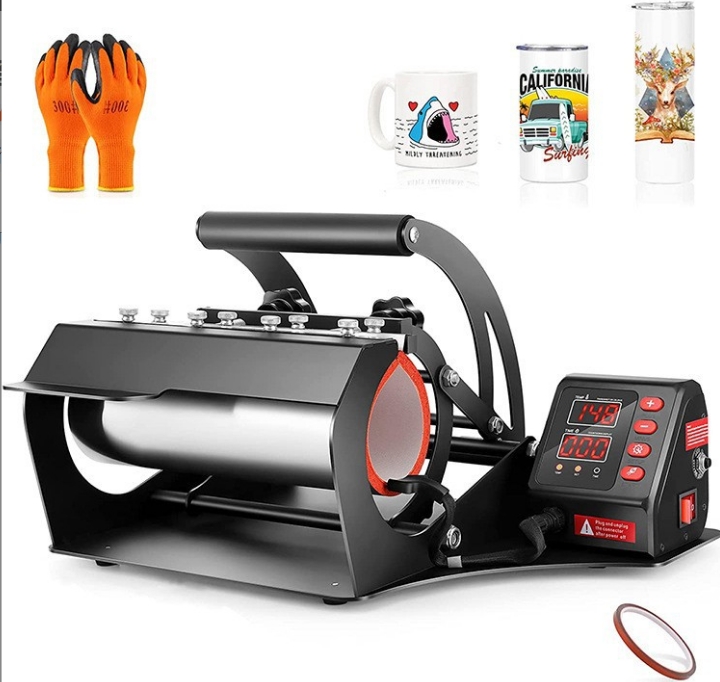
When I first left the factory floor, all I knew was mass production. The idea of making just one custom mug felt impossible. But then I discovered sublimation. It wasn't just another printing method; it was a whole new way of thinking about business. It allowed me to finally serve real people with real, personal requests—a single mug for a grandpa, a set of tumblers for a wedding party. This technology didn't just help me achieve financial independence; it became the heart of my business, empowering me to help so many others start their own. Let's break down exactly what it is and how it can be the key for you, too.
What is mug sublimation printing?
You want to make custom mugs, but you're worried about quality. You need to know if the print will be safe, durable, and professional enough to sell to customers.
Creating a product that peels or fades after a few washes is the fastest way to ruin your reputation. You can't build a business on gifts that don't last.
Mug sublimation is a process where heat and pressure infuse special ink into a polymer-coated ceramic surface. This creates a permanent, food-safe, and dishwasher-safe design that will never peel or fade.
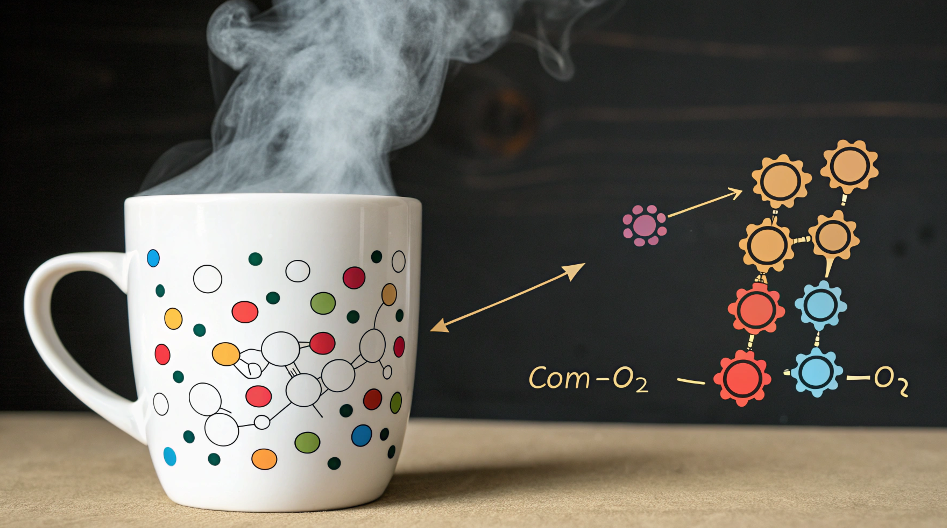
Dive Deeper: It’s a System, Not Just a Print
The real beauty of sublimation on a mug is that it’s a complete, engineered system designed for safety and quality. It’s not just about printing on any old mug. To get a professional result that you can proudly sell, every piece of the puzzle must be correct. For a detail-oriented designer like Emma, understanding this system is crucial for quality control.
Here’s what that system looks like:
- The Coated Mug: The process starts with a high-quality ceramic mug that has a special polymer coating. This coating is the canvas. Without it, the ink has nothing to bond with. This isn't something you can spray on yourself; it's a factory-applied, industrial-grade layer that is the foundation for the entire process.
- The Specialized Consumables: You must use sublimation ink and sublimation paper. The ink is specifically formulated to turn from a solid to a gas at high temperatures. The paper is designed to release that gas perfectly. Using regular ink or paper will result in a complete failure. These certified inks are non-toxic and designed for use on drinkware.
- The Precision Process: The magic happens in a mug press. Under precise heat (around 380-400°F) and firm pressure, the ink becomes a gas and permeates the now-open pores of the mug's polymer coating. When it cools, the pores close, trapping the ink inside.
The result is a design that is literally inside the surface. You can’t feel it. You can’t scratch it off. It’s a part of the mug itself, making it incredibly durable and completely safe for everyday use.
Is the sublimation printing business profitable?
You love the idea of being creative, but you need to know if it's a real business. You're worried about investing your time and money into something that won't actually be profitable.
It's terrifying to pour your heart into a venture only to find you can't make a living. You need a business model that is low-risk and has a clear path to making money.
Yes, a sublimation business is highly profitable because it allows for on-demand production. With no setup fees per design, you can sell highly personalized items at a premium price without needing to risk money on bulk inventory.

Dive Deeper: The Modern Business Model
Profitability isn't just about how much you sell an item for. It's about your entire business model. When I started, I saw that sublimation perfectly matched the way modern customers think and shop. This is why it’s such a powerful tool for entrepreneurs today.
Ultimate Personalization Breaks the Rules
The biggest advantage is breaking the "Minimum Order Quantity" (MOQ) rule. Traditional factories need you to order hundreds of the same thing. With sublimation, the cost to produce one custom mug is the same as the cost to produce ten. This is a massive advantage.
- You can say "yes" to everyone: A bride wants 10 unique tumblers for her bridesmaids? Yes. A pet owner wants a single mug with their dog's face on it? Yes.
- You can offer Print-on-Demand (POD): This is a zero-risk model. You don't make a product until a customer has already ordered and paid for it. This means you have zero inventory risk and can offer a huge catalog of designs.
Empowering the Creator Economy
Platforms like Etsy, Shopify, and even Instagram have created a global market for unique products. Sublimation is the perfect technology for this creator economy. With a relatively low initial investment, you can turn your digital designs into physical products. You're not just selling a mug; you are providing the tools for millions of small business owners and artists like Emma to build their dreams.
Driving Sustainability
People are tired of cheap, disposable products. A beautiful, personalized mug or tumbler is an item someone will cherish and use for years. It has sentimental value. By creating high-quality, long-lasting products, you are naturally promoting a more sustainable lifestyle, which is something many customers value and will pay a premium for.
What are the downsides of sublimation?
Sublimation sounds almost too good to be true. You're trying to find the catch, the big limitations that you need to be aware of before you invest your money.
Ignoring the limitations of a technology can lead to major frustration. You might buy all the gear only to realize it can't produce the products you had in mind.
The main downsides of sublimation are its strict material requirements. It only works on white or light-colored 100% polyester fabrics and specially polymer-coated hard goods. It is impossible to print on dark or black items.

Dive Deeper: Know the Rules to Win the Game
Every technology has rules. The key to being successful is not to find a "perfect" technology but to master the one you choose by fully understanding its rules. Here are the three non-negotiable rules of sublimation.
- The Polyester Rule: The chemistry of sublimation is specific: the dye bonds with polyester. It does not bond with natural fibers like cotton. If you try to sublimate on a 100% cotton shirt, you will get a very faint, washed-out image that will disappear after the first wash. This is the most common mistake beginners make. You must commit to using 100% polyester apparel for vibrant, permanent results.
- The Light-Color Rule: Sublimation ink is transparent, like a watercolor. You can't use a watercolor on black paper and expect it to show up. The same applies here. You cannot print on black, navy, or any dark-colored surface. The color of the item becomes the "paper" color. For the most vibrant, true-to-design colors, your item must be white. Light-colored items (like a pastel pink or light grey) will work, but the item's color will mix with your ink colors.
- The Special Coating Rule: This applies to all hard goods like mugs, tumblers, metal signs, and coasters. You cannot go to a regular store and buy a mug to sublimate. It will not work. You must purchase blanks that have been industrially pre-coated with the specific polymer layer designed for sublimation.
These aren't so much "downsides" as they are the very definition of the process. Work within these rules, and you will get perfect results every time.
What is sublimation printing on tumblers?
You see sleek, full-wrap custom tumblers everywhere and want to add them to your product line. You're not sure if it's the same as making mugs or if it requires different skills.
Worrying about a new product type can stop you from expanding. Tumblers are a huge market, but if you're afraid of messing them up, you could miss out on significant profits.
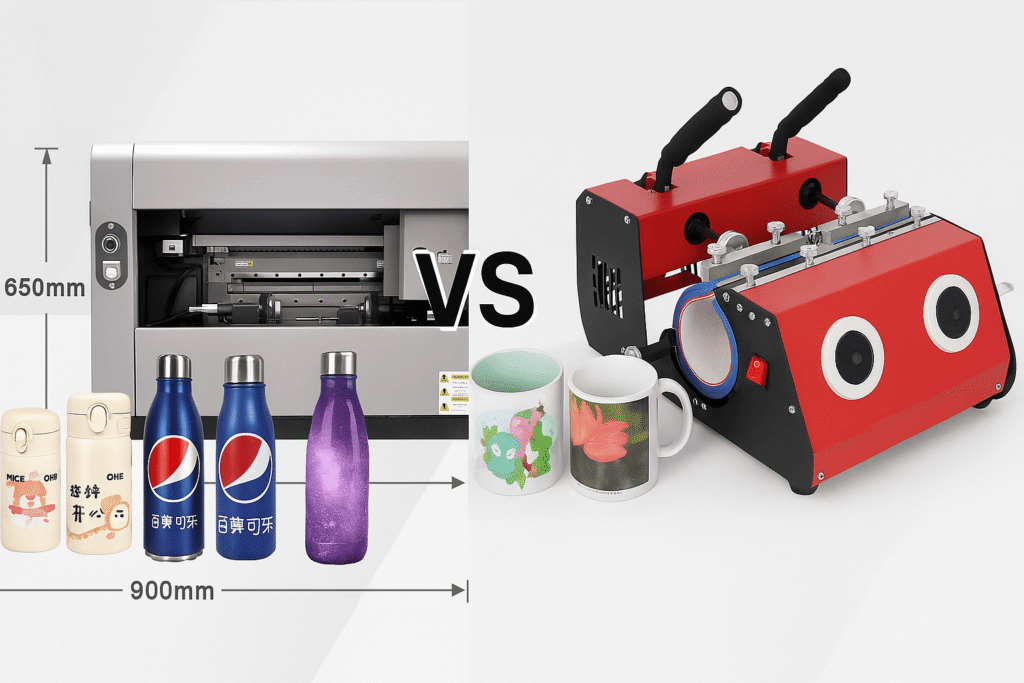
Sublimation on tumblers is the same core process as on mugs: infusing ink into a polymer-coated stainless steel surface. The main difference lies in the equipment used to achieve even pressure on a larger, cylindrical object.
Dive Deeper: Adapting the Technique for a New Shape
When I added tumblers to my business, I was thrilled to realize the science was identical. The real challenge wasn't the ink or the paper; it was how to get perfect, even heat and pressure all the way around a tall, skinny cylinder. This is a technical step that a designer like Emma would need to master to ensure her designs look flawless.
There are two main professional methods:
Method 1: The Tumbler Press
This is a machine that looks like a longer version of a mug press. You place the tumbler with your taped design inside, close the press, and it applies heat and pressure.
- Best For: Speed and efficiency when making one tumbler at a time. It's great for quick, one-off orders.
- The Challenge: It can be difficult to get perfectly even pressure at the very top and bottom edges, and you can't get a truly seamless edge on a full-wrap design. You also need a press that fits the specific size of your tumbler.
Method 2: The Convection Oven & Shrink Wrap
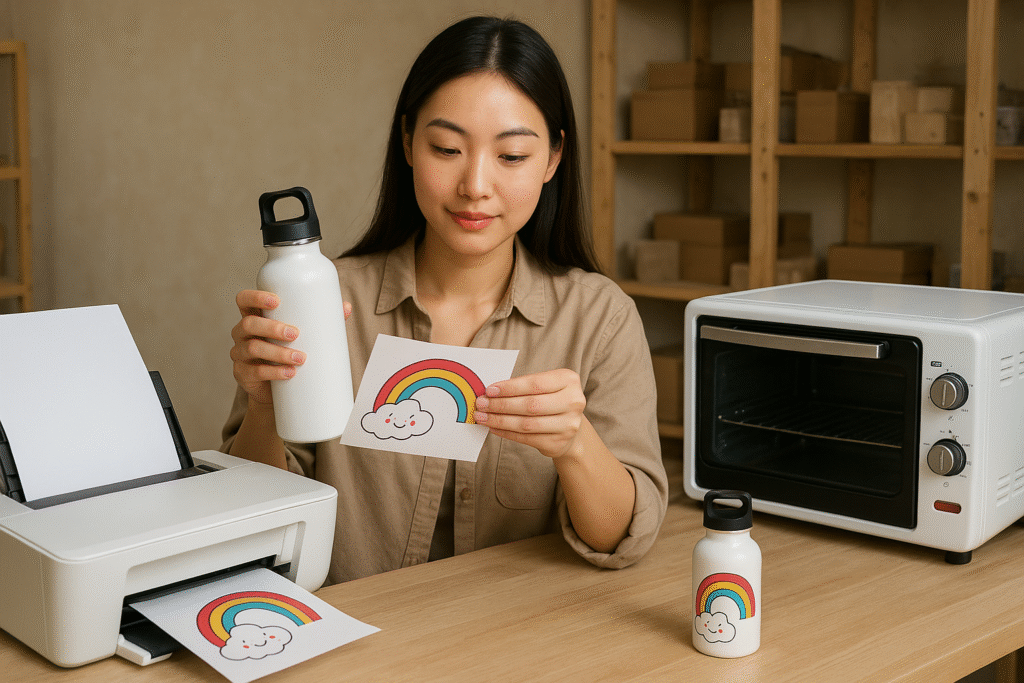
This is the method I use for all my high-quality, full-wrap tumblers. You tape your design to the tumbler, slide the whole thing into a shrink-wrap sleeve, use a heat gun to make the sleeve conform tightly to the tumbler, and then bake it in a dedicated convection oven.
- Best For: Flawless, edge-to-edge, seamless designs and batch production. The shrink wrap provides perfectly even pressure everywhere.
- The Challenge: It requires more steps and a longer bake time. Most importantly, you must use a dedicated oven that you do not use for food, for safety reasons.
For any business serious about selling tumblers as a core product, mastering the convection oven method is the key to creating stunning, premium-quality products that stand out from the competition.
Conclusion
Sublimation is more than just a printing method; it is a complete business solution. It empowers you to create safe, beautiful, and highly personalized products that modern customers love, profitably and with minimal risk.
ts in seconds. That reliability and consistency is why sublimation is used by wholesalers, print-on-demand brands, and promotional gift companies worldwide.
Let’s break down how it works and how you can use it to grow your custom product business.
How does sublimation printing work for custom products?
Many people think sublimation is complicated, but in real production it follows a simple, repeatable workflow.
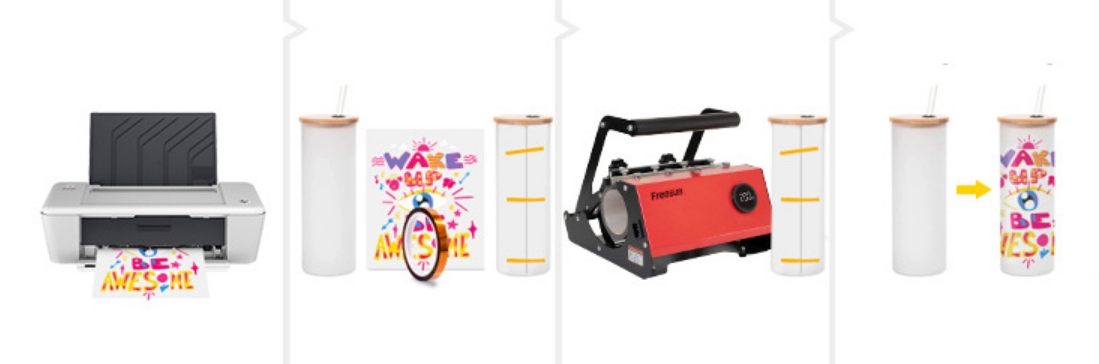
Sublimation printing works in three main stages: printing the design on sublimation paper, transferring it to a coated blank, and permanently bonding it using heat and pressure.
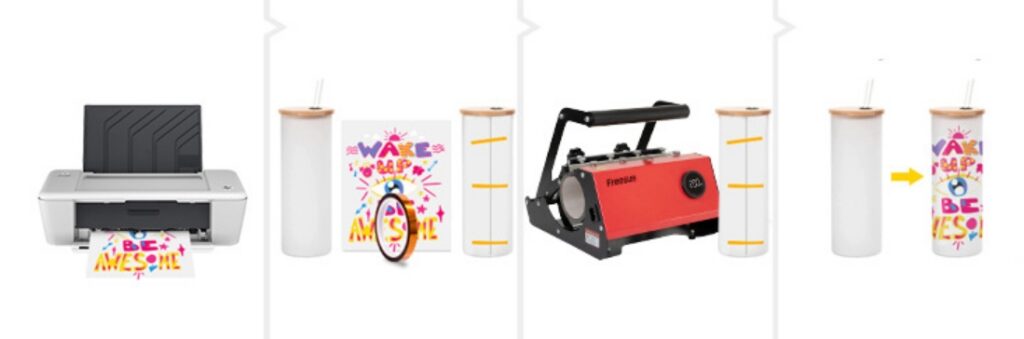
When heated to about 380–400°F (193–204°C), sublimation ink changes from a solid directly into a gas. At the same time, the polymer coating on sublimation blanks opens its microscopic pores.
The ink gas flows inside and becomes locked in when it cools.
That’s why sublimated designs:
- Never peel or crack
- Stay smooth to the touch
- Keep bright colors even after washing
This makes sublimation ideal for custom tumblers, ceramic mugs, stainless steel bottles, and promotional gifts.
| Step | What Happens | Why It Matters |
|---|---|---|
| Design is printed on sublimation paper | Full-color photos and logos | |
| Transfer | Paper is fixed to the blank | Accurate edge-to-edge printing |
| Press | Heat bonds ink into coating | Permanent and washable result |
Is sublimation printing suitable for business use?
If you sell customized mugs, tumblers, or promotional products, quality and consistency matter.
Yes. Sublimation is one of the most business-friendly printing methods because it delivers professional results with low setup cost and no color limits.
It is widely used by:
- Promotional product companies
- Print-on-demand brands
- Amazon & Etsy sellers
- Corporate gift suppliers
Unlike vinyl or screen printing, sublimation allows:
- Full-color logos and photos
- Small-batch or bulk production
- No peeling, cracking, or raised texture
That’s why almost all premium custom drinkware uses sublimation-coated blanks.
What materials can sublimation print on?
This is one of the most important things to understand.
Sublimation only works on polyester fabric or products with a special polymer coating. It does not work on untreated ceramic, cotton, wood, or raw glass.
| Material | Works for Sublimation | Common Products |
|---|---|---|
| Ceramic with coating | Yes | Coffee mugs, plates |
| Stainless steel with coating | Yes | Tumblers, water bottles |
| Aluminum | Yes | Dog tags, signs |
| Polyester fabric | Yes | T-shirts, tote bags |
| Cotton, wood, raw glass | No | Must be coated first |
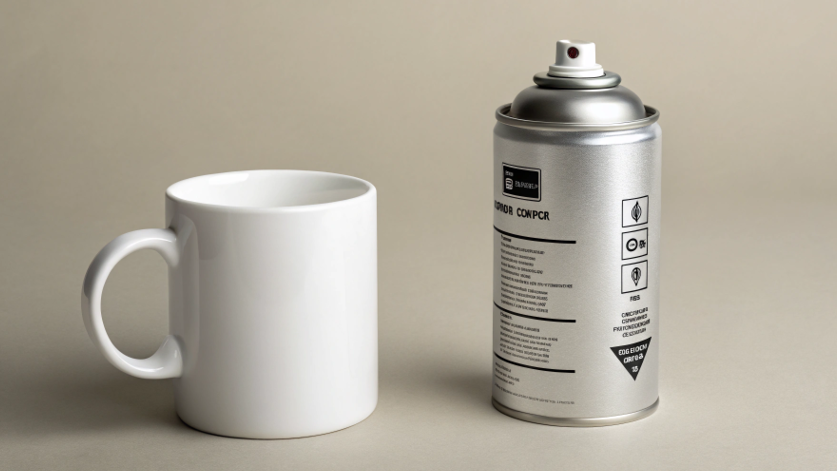
Some hobbyists apply coating sprays, but professional brands use factory-coated sublimation blanks for consistent quality, food safety, and durability.
Do I need a computer for sublimation printing?
Yes — but you don’t need anything expensive.
A basic laptop is enough to run sublimation printing. It is used to create designs, manage colors, and send files to the printer.
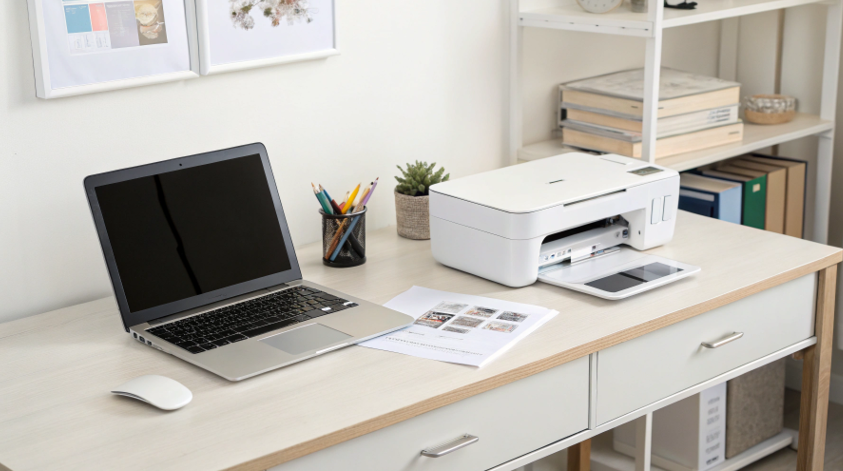
Your computer handles:
- Design software (Canva, Photoshop, etc.)
- File storage
- Printer and color settings
Many businesses start by using pre-printed sublimation transfers and later add their own printers as volume grows.
Conclusion
Sublimation printing is the most reliable way to produce custom mugs, tumblers, bottles, and promotional products that look premium and last for years.
If you want your brand to stand out with professional, full-color designs and durable quality, sublimation is the printing method that makes it possible.

Hi there! I'm Lucy, the guardian angel of two good children. During the day, I am a professional in the heat transfer printing industry, from factory workshops to running my own business. Here I share what I have learned - let's grow together!