What Is Sublimation Printing in Textiles?
You want to create vibrant, durable fabric designs. But traditional screen printing feels thick and vinyl eventually cracks. You need a premium method that makes the design a true part of the fabric itself.
Sublimation printing in textiles is a process where heat turns dye into a gas that permanently fuses with polymer fibers like polyester. This creates a soft, full-color, and incredibly durable design that won't fade or peel, making it perfect for apparel and home decor.
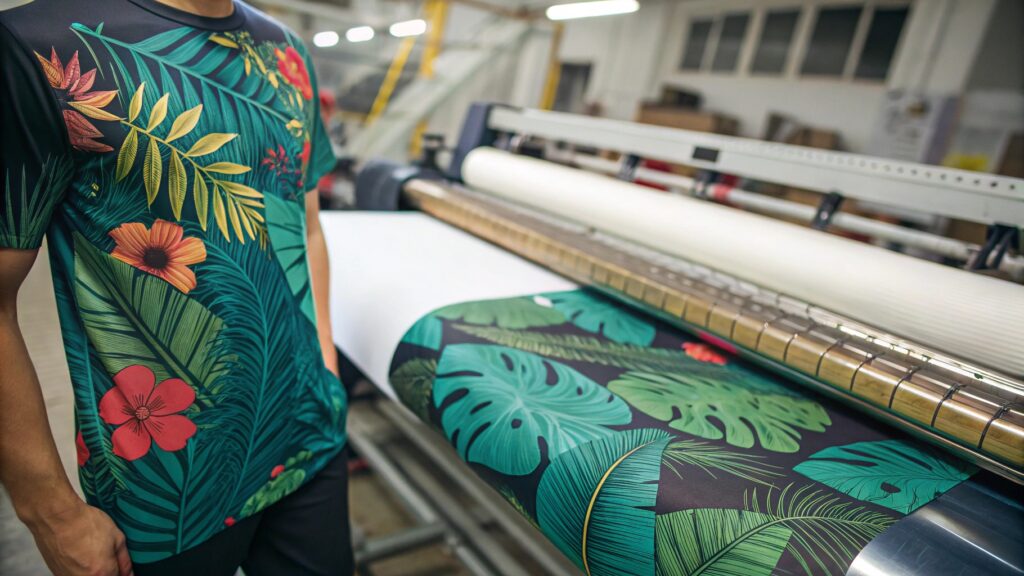
My journey in this industry began on a factory floor, surrounded by massive calendar heat presses and printers churning out endless rolls of fabric. I saw plain white polyester transformed into the vibrant textiles used by major sportswear brands. It wasn't just printing; it was a total transformation of the material. This technology is the key to creating high-value textile products, and I'm excited to explain exactly how it works.
What is sublimation printing on fabric?
You hear the term "sublimation printing," but are not sure how it works on fabric. You worry it is just another type of iron-on sticker. You need to understand how it creates a permanent, unfeelable design.
Sublimation on fabric uses heat to convert special ink from a solid to a gas, which then infuses directly into polyester fibers. The ink becomes part of the material, creating a soft, breathable, and permanent design that will never crack, peel, or fade.

Sublimation is a chemical bonding process, not a surface-level application. Unlike screen printing or heat transfer vinyl (HTV), which place a layer of ink or plastic on top of the fabric, sublimation dye integrates directly into the fabric's fibers. This is why it works so well on polyester. Polyester is a polymer, a type of plastic. When you heat it, its pores open up. The sublimation ink turns to gas, flows into these open pores, and as the fabric cools, the pores close, trapping the ink permanently. Alex, my technical expert, always emphasizes that a 100% polyester base is crucial for achieving a Grade 4-5 colorfastness, meaning the color will not run or fade even after many washes. On natural fibers like cotton, the pores don't open this way, so the ink has nothing to bond with and simply washes out.
| Printing Method | Feel on Fabric ("Hand") | Durability | Best For |
|---|---|---|---|
| Sublimation | Zero feel, perfectly soft. | Permanent, will not crack or fade. | Polyester sportswear, photo blankets. |
| Screen Printing | Slight to heavy raised feel. | Very durable, but can crack over time. | Simple graphics on cotton shirts. |
| DTG (Direct-to-Garment) | Very soft feel, almost zero. | Good, but can fade with washing. | Complex color designs on cotton. |
What are the textile applications of sublimation?
You know sublimation works on polyester fabric. But you wonder where you can actually apply this skill. You need to see the full range of profitable products you can create with this method.
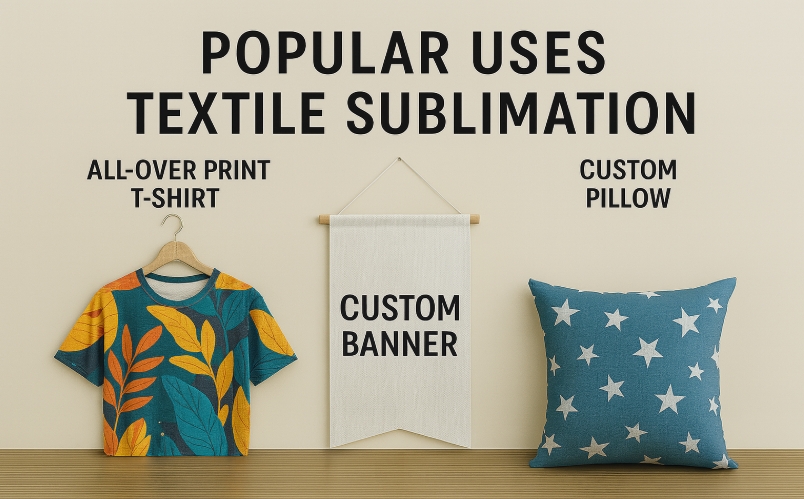
Sublimation is widely used for textiles like performance sportswear, all-over-print fashion apparel, flags, banners, and home decor such as custom blankets, curtains, and pillows. Any product made from high-content polyester fabric is a great candidate.
The versatility of textile sublimation is huge. When I started my trading company, I helped clients enter many different markets with this single technology.
- Performance Sportswear: This is the largest market. Sublimation is perfect for jerseys, leggings, and swimwear because the print is breathable. It doesn't block the fabric's moisture-wicking properties, which is essential for athletes. The durability also means team logos and numbers will never peel off.
- Fashion Apparel: This is where "cut and sew" sublimation shines. Designers can create seamless, edge-to-edge designs on hoodies, dresses, and t-shirts. The ability to print textiles before they are sewn into garments allows for incredible creativity.
- Home Textiles: This market has grown rapidly. Products like plush photo blankets, custom curtains, vibrant throw pillows, and even upholstery benefit from sublimation's soft feel and excellent washability. It is perfect for personalized home decor gifts.
- Soft Signage & Displays: Many trade show backdrops, banners, and national flags are made with sublimation. Printed polyester is lightweight, easy to transport, durable, and produces stunningly vibrant graphics that grab attention from a distance.
What is the purpose of sublimation printing?
There are many ways to print on textiles. Why would someone choose sublimation over the others? Understanding its specific purpose helps you decide if it is the right fit for your products and customers.
The main purpose of sublimation printing is to create permanent, full-color, photographic-quality images on polyester-based items. It is chosen for its superior durability, color vibrancy, and soft finish, where the design becomes an inseparable part of the item.
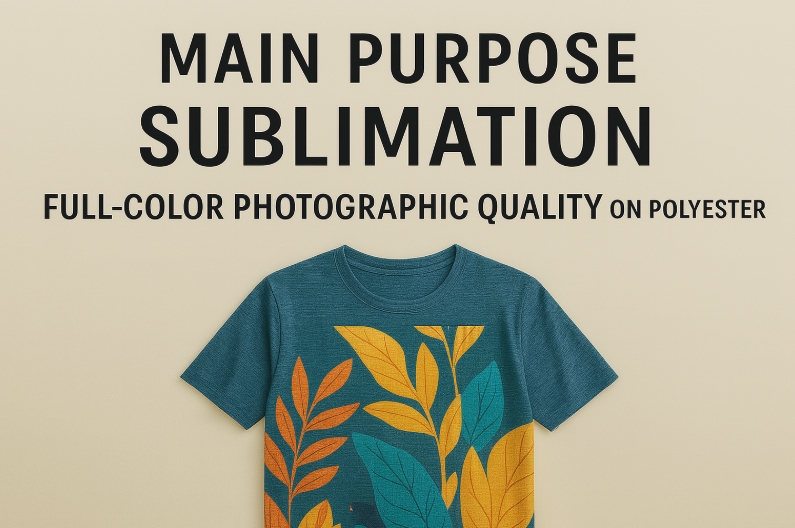
Sublimation serves three main goals better than almost any other method. When a client asks me "why sublimation?", I always come back to these points.
- Ultimate Durability: The design is not a layer on top of the textile; it is infused into it. This means it cannot be damaged by normal use. It will not crack like old screen prints, peel off like vinyl, or fade significantly in the wash. The print will last as long as the fabric itself, a level of permanence that is essential for sportswear and frequently washed items.
- Photographic Vibrancy: Sublimation allows for millions of colors, smooth gradients, and fine details. It is the best process for reproducing photographs and complex digital art on fabric. Other methods can struggle with this level of detail or require many complex steps.
- A Soft "Hand": In the textile industry, "hand" is the term for how a fabric feels. Sublimation has a "zero hand" feel. The printed area feels exactly the same as the unprinted area—perfectly soft. This is a massive selling point for apparel, blankets, and anything worn against the skin.
What does sublimation mean in sewing?
You are a sewer or a designer and you hear the term "cut and sew sublimation." It sounds like a complex industrial process. You need to know how this technique works and how it can elevate your custom garments.
In sewing, sublimation refers to the "cut and sew" manufacturing process. This is where designs are first sublimated onto large, flat sheets of polyester fabric. Then, the individual pattern pieces are cut from this printed fabric and sewn together to create the final garment.
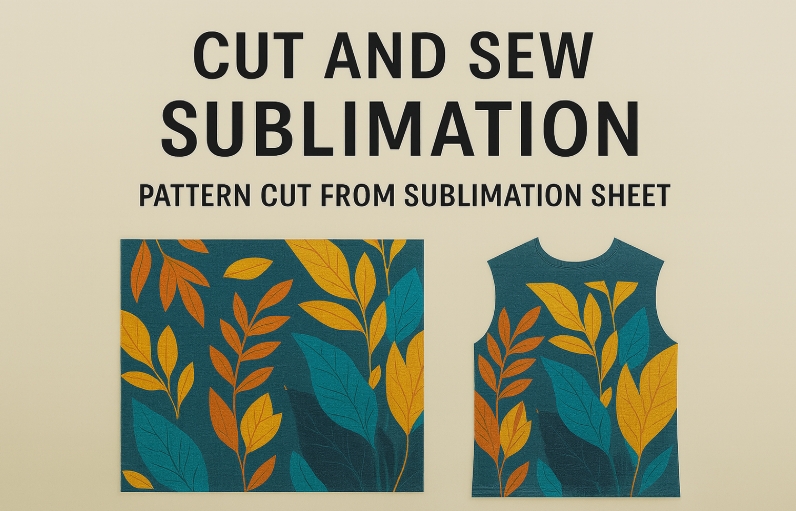
Cut and sew is how you get those amazing all-over-print hoodies and leggings where the design flows seamlessly across every part of the garment. It's a game-changer compared to just printing on a pre-made blank t-shirt. I saw this process up close in the factory every day. First, huge rolls of sublimation paper were printed with the designs for every piece—front panel, back panel, left sleeve, right sleeve. Then, these paper rolls were fed into a giant rotary heat press along with a roll of plain white polyester. Out came the fully printed fabric. From there, it went to the cutting tables, where workers would lay out the patterns and cut the pieces. Finally, the sewing team would construct the garment. This method gives designers complete control and produces a much more premium and professional product than printing on a blank.
| Method | Design Placement | Seams and Collars | Professional Level |
|---|---|---|---|
| Printing on a Blank | Limited to a square on the front/back. | Voids and white marks near seams. | Good for basic shirts, promotional items. |
| Cut and Sew Sublimation | Full, edge-to-edge coverage. | Design flows perfectly across seams. | Highest quality, retail-ready fashion. |
Conclusion
Sublimation printing permanently infuses dye into textiles. It enables durable, vibrant designs for sportswear, fashion, and home decor, offering unmatched quality on polyester fabrics for premium results.

Hi there! I'm Lucy, the guardian angel of two good children. During the day, I am a professional in the heat transfer printing industry, from factory workshops to running my own business. Here I share what I have learned - let's grow together!