What Is Sublimation Printing on Fabric?
Your custom shirts feel stiff or the design peels off after a few washes. This makes your products feel cheap and leaves your customers disappointed with the quality.
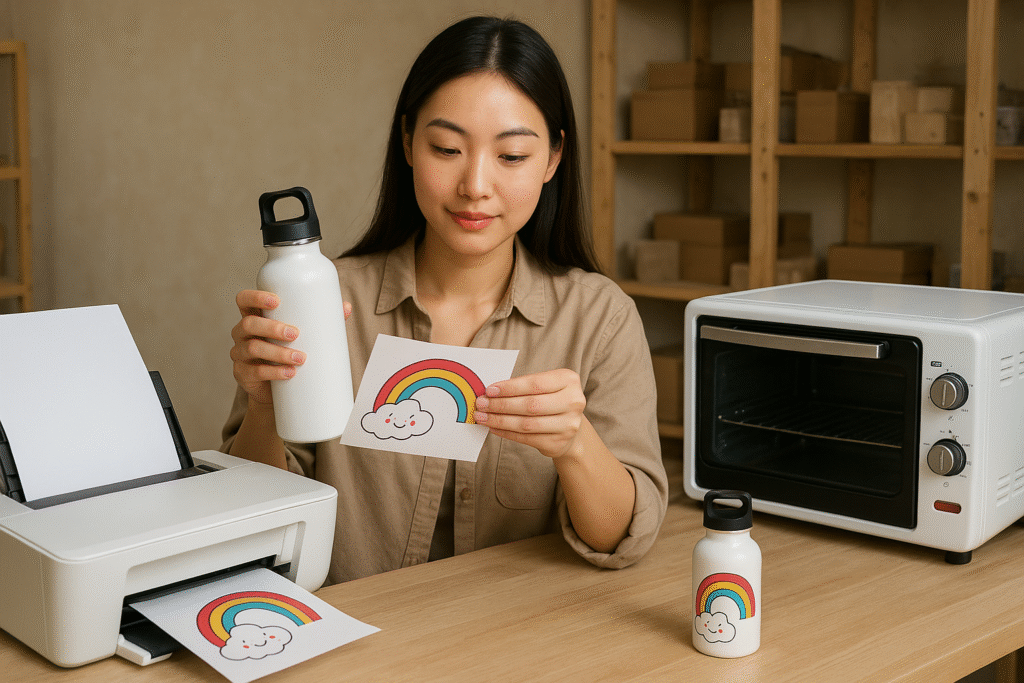
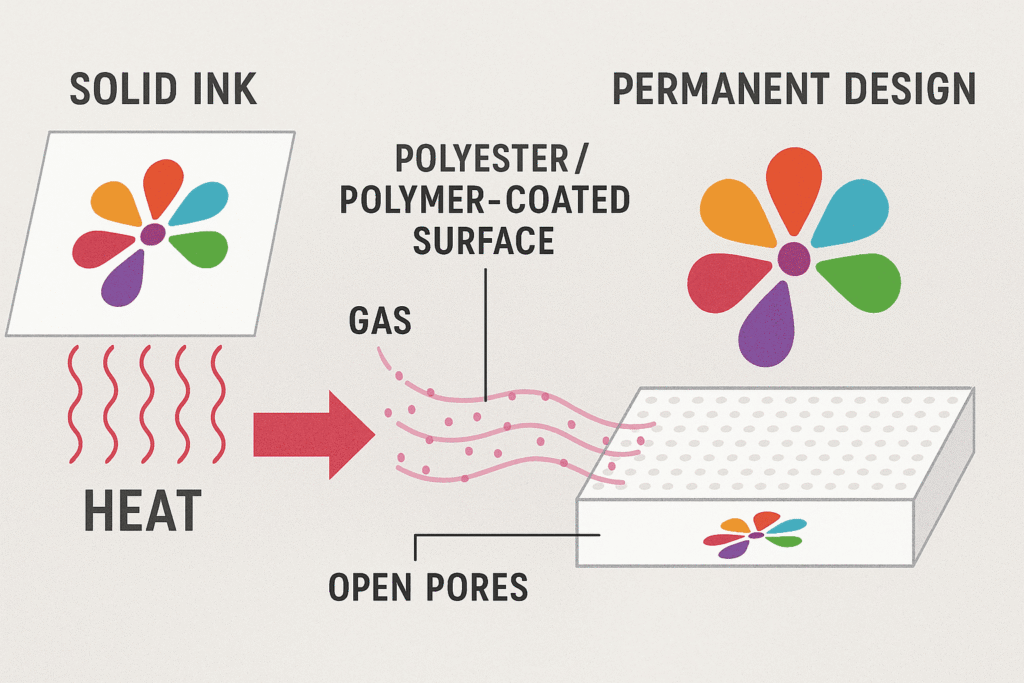
Sublimation printing on fabric is a process where heat turns ink into a gas. This gas then permanently bonds with polyester fibers. The design becomes part of the fabric itself, creating a print you cannot feel that will never crack, peel, or fade.
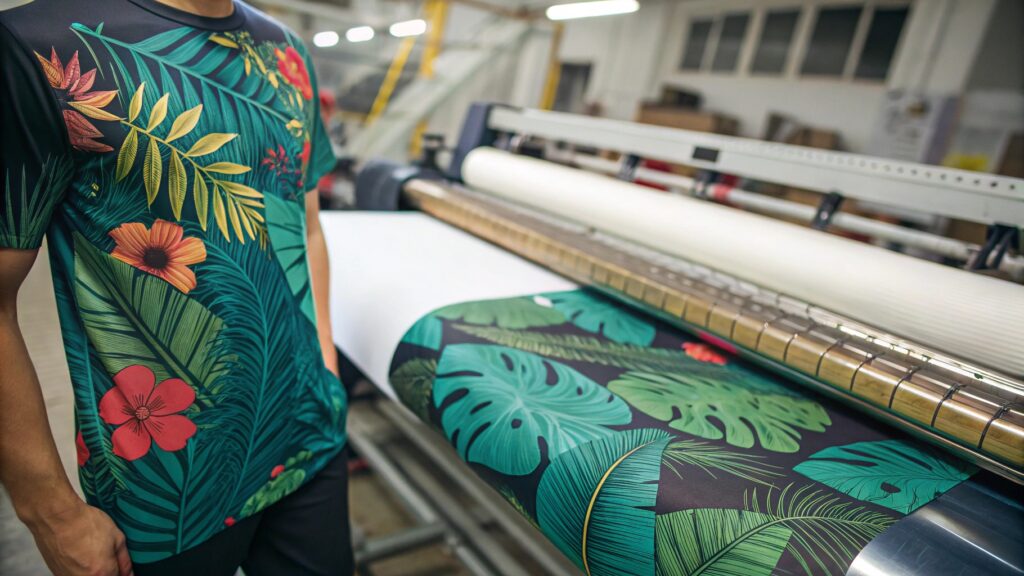
When I first started in this industry, I worked on the factory floor. I saw thousands of t-shirts being printed. Some methods left a thick, rubbery feel on the shirt. Then I saw sublimation. A design was printed on paper, pressed onto a plain white shirt, and came out perfect. There was nothing to feel, just bright, amazing color. It felt like the fabric was born that way. Understanding how this worked was the key that opened the door for my own business, because it allows you to create truly professional-level apparel.
What Is the Difference Between Sublimation Printing and Regular Printing?
You hear terms like DTG, screen printing, and sublimation, and it's all very confusing. Picking the wrong printing method can waste your time, money, and ruin a batch of products.
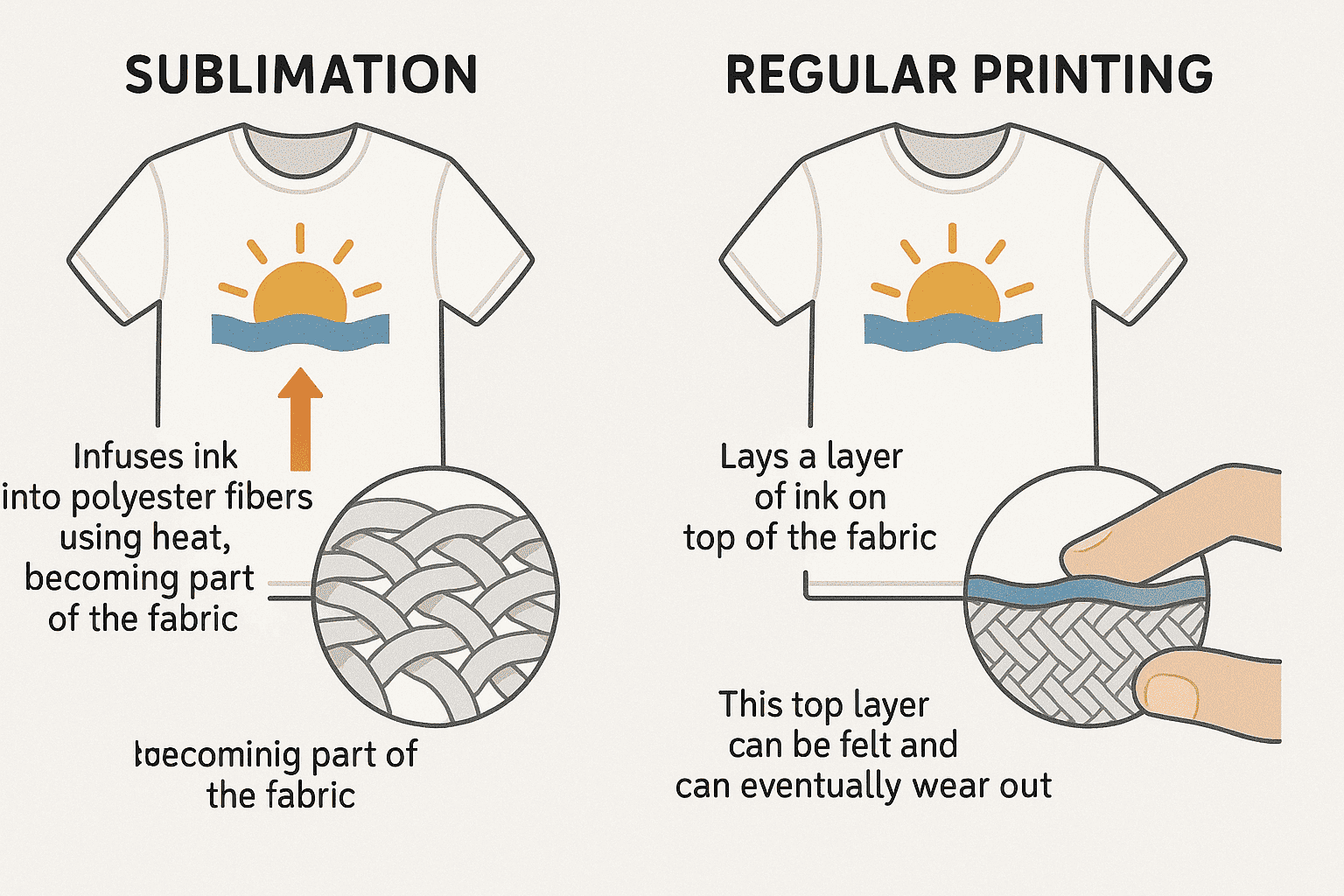
Sublimation infuses ink into polyester fibers using heat, becoming part of the fabric. Regular printing methods, like screen printing or Direct-to-Garment (DTG), lay a layer of ink on top of the fabric. This top layer can be felt and can eventually wear out.
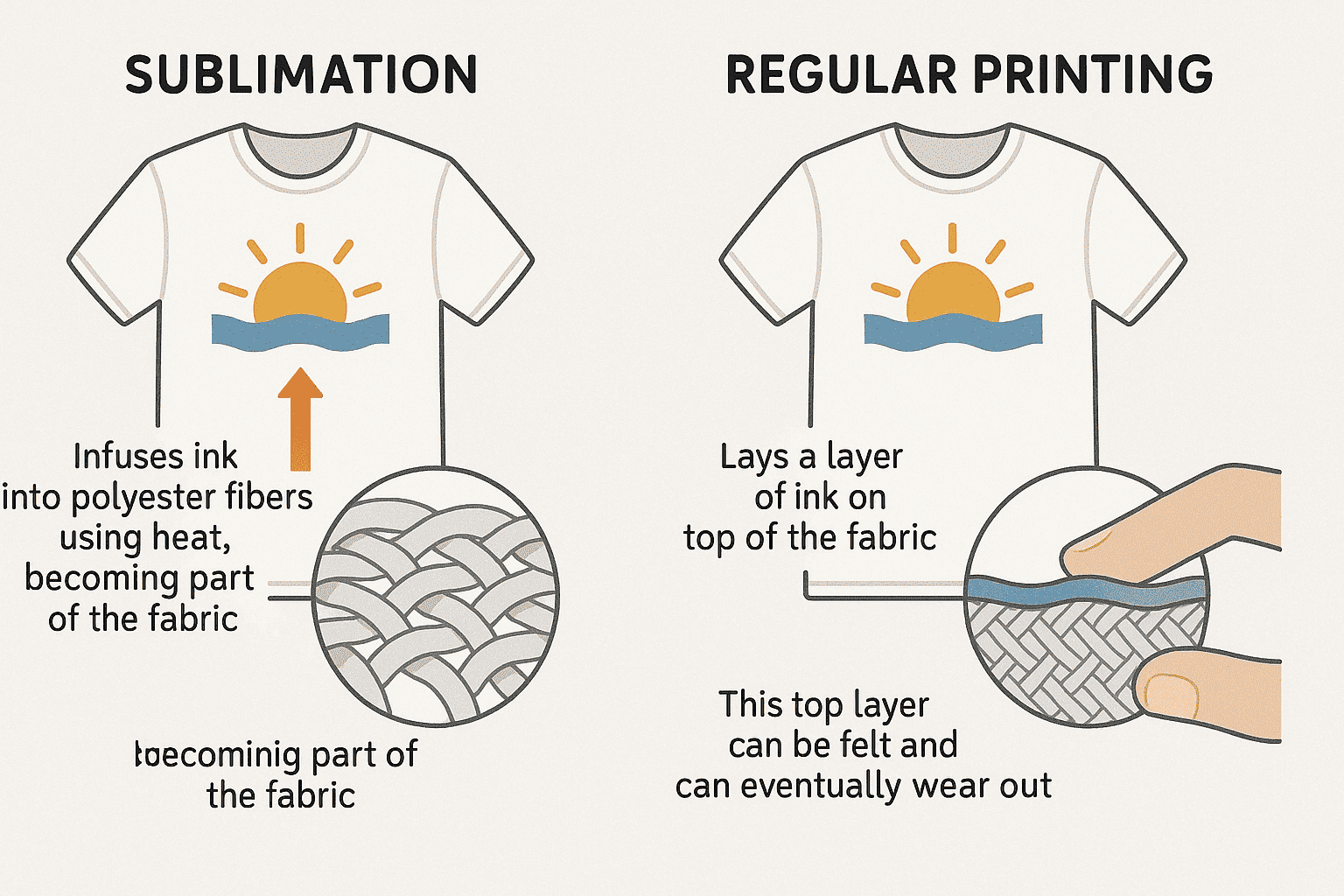
The main difference is in the fabric versus on the fabric. My product specialist, Alex, always explains it this way: "Sublimation dyes the fibers, while other methods paint the surface." This is a simple but powerful idea. A painted surface can always be scratched or peeled off. Something that is dyed is permanent. This is why sublimation is the top choice for products that need to be durable, like sportswear. The print moves and stretches with the fabric because it is the fabric. It also doesn't block the pores of the material, so it stays breathable. Screen printing, on the other hand, is great for simple, bold designs on cotton, but the ink layer can feel heavy and crack over time.
| Feature | Sublimation Printing | Screen Printing | Direct-to-Garment (DTG) |
|---|---|---|---|
| Process | Ink turns to gas, dyes fibers | Ink pushed through a stencil | Ink is sprayed onto fabric |
| Feel ("Hand") | Zero, cannot be felt | Can be thick, noticeable | Soft, but still a layer |
| Fabric Type | Polyester & Polymer-coated | Cotton, Blends, Polyester | Mostly Cotton |
| Best For | Full-color photos, All-over prints | Simple graphics, large runs | Complex designs on cotton |
| Durability | Permanent, will not crack/peel | Good, but can crack over time | Good, but can fade with washes |
What Does Sublimation Printing Mean for Fabric?
You read that sublimation "infuses" the fabric, but what does that really mean? If you can't explain this key benefit, it's hard to sell the value of your products to customers.
For fabric, sublimation means the design is not just on the surface—it's chemically bonded inside the polyester fibers. The color becomes a permanent part of the material itself. This results in a print with zero texture that is fully breathable and incredibly durable.
Think of it like this: regular printing is like painting a wooden board. The paint sits on top. Sublimation is like using a wood stain. The stain soaks into the wood and becomes part of it. You can't scrape the stain off without scraping away the wood itself. The science behind it is simple and brilliant. When you apply heat (around 200°C or 400°F), the polyester fibers of the fabric open up like pores. At the same time, the solid sublimation ink on the paper turns into a gas. This ink gas is then forced into the open fibers by the pressure of your heat press. When you remove the heat and the fabric cools, the fibers close, permanently trapping the ink inside. This is why the process only works on man-made polymers like polyester. Natural fibers like cotton don't have these "pores" to open and trap the ink.
Is Sublimation Printing Good Quality?
You want to be proud of the products you sell. But you worry if sublimation can really deliver the premium, high-quality look and feel that will build a great brand reputation.
Yes, sublimation printing is exceptionally high quality. It produces brilliant, photo-realistic prints with millions of colors. The designs are permanent and achieve excellent colorfastness ratings (Grade 4-5), so they won't fade, crack, or peel, even after many washes.
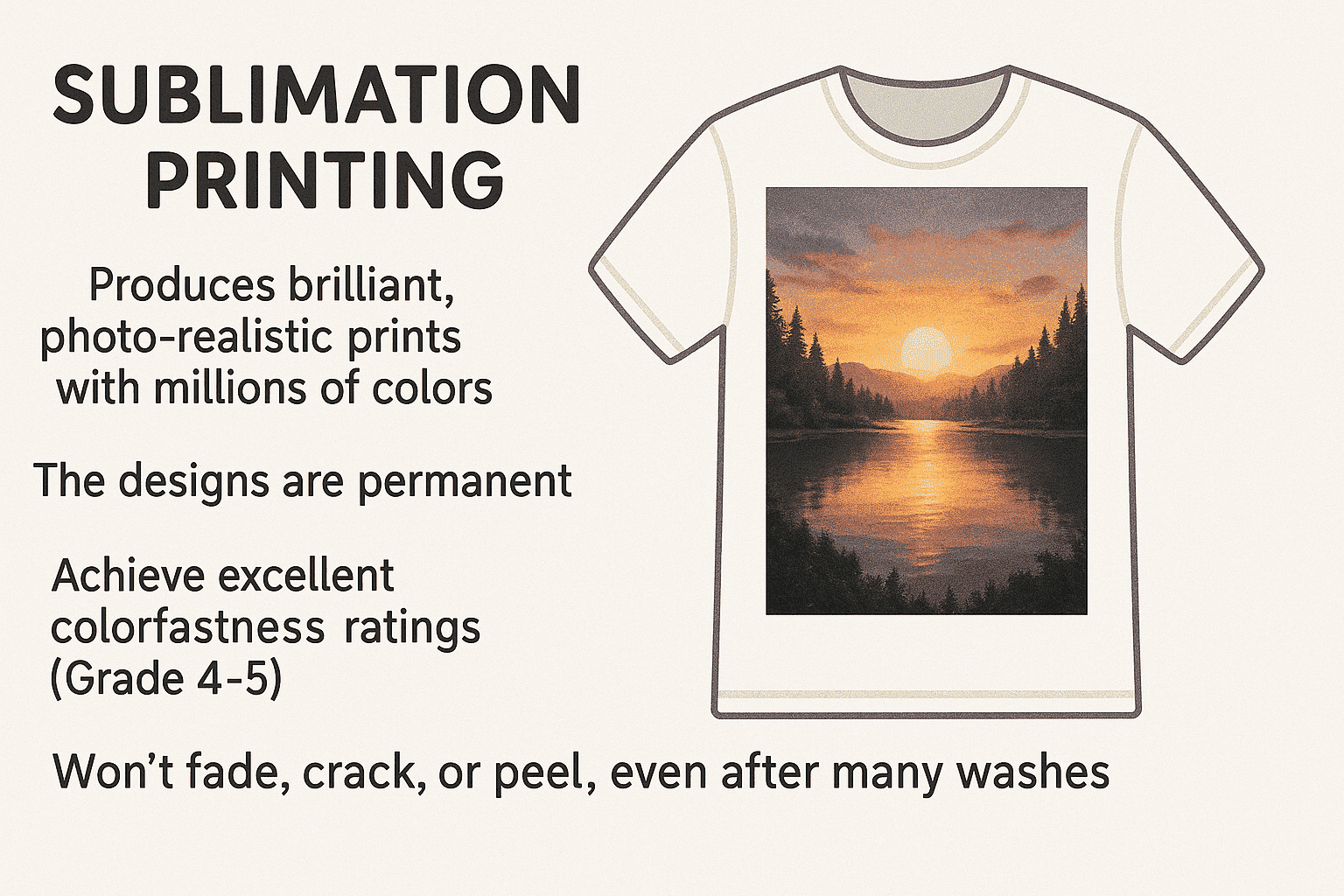
Quality in printing means three things: color vibrancy, sharpness, and durability. Sublimation excels at all three, but you have to use the right components. When I started my trading company, I learned that not all sublimation blanks and inks are created equal. You need high-quality ink, paper, and polyester-coated products to get professional results. My expert, Alex, is a master of color management. He uses special software (like an ICC profile with his RIP software) to make sure the color on the screen is the exact color that comes out on the final product. This allows for stunning gradients and details that other methods struggle with. The quality also comes from its durability. Because the ink is locked into the fiber, it can withstand washing and wear without losing its punch. It truly is a premium decoration method for creating products that last.
What Are the Disadvantages of Sublimation?
Sublimation seems like the perfect solution, but you suspect there must be some limitations. Not understanding these drawbacks can lead to failed prints, wasted materials, and unhappy customers.
The main disadvantages are that sublimation only works on white or light-colored polyester materials. It cannot be used on 100% cotton or dark-colored fabrics. Also, the process is sensitive to errors like creasing, which can leave white lines on the final print.
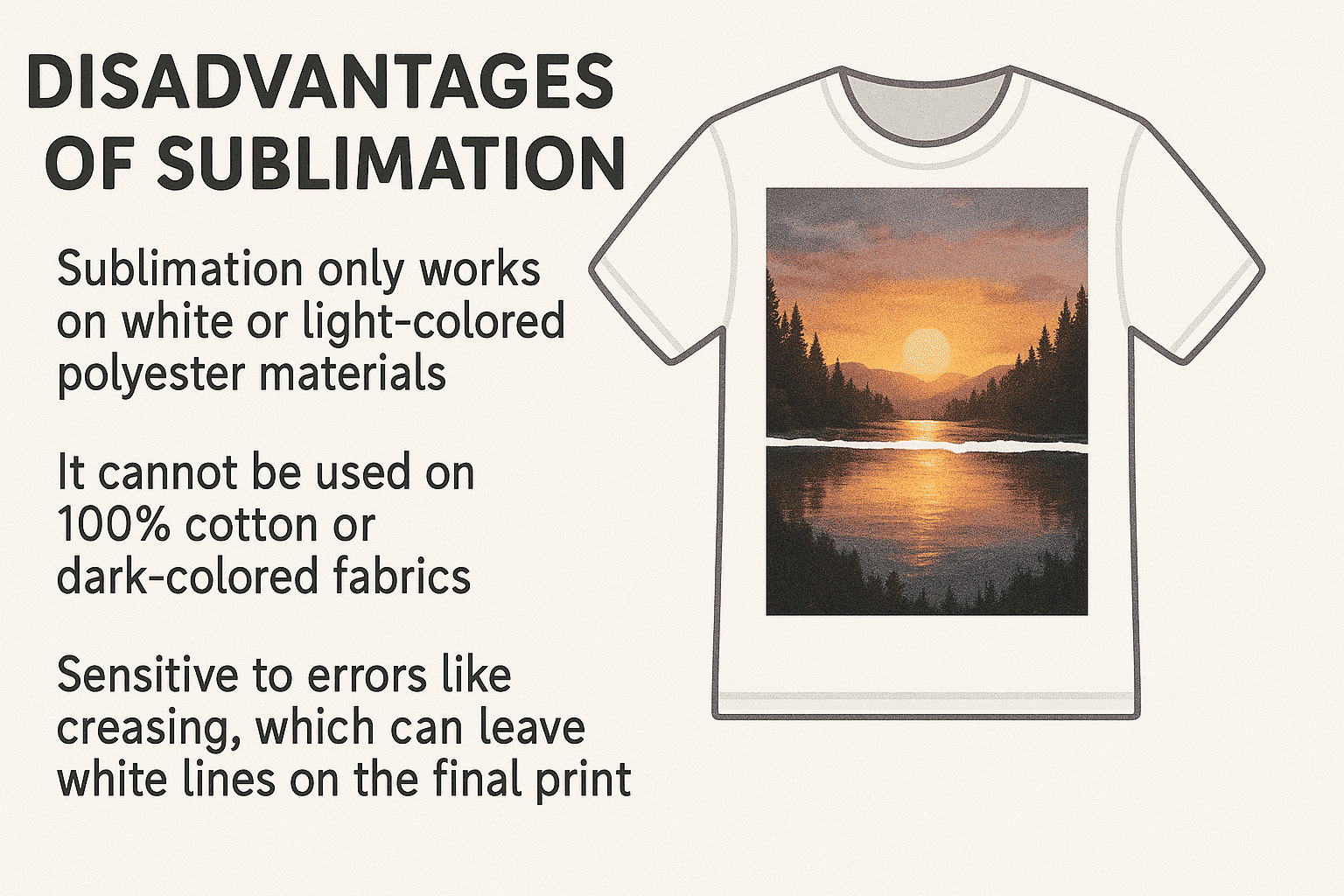
Every process has its rules, and sublimation is no different. Knowing them is key to success. The first client I ever lost was because I promised something sublimation
couldn't do. They wanted a beautiful photograph printed on a black cotton shirt. I didn't know any better and the print, of course, didn't show up at all. It was an expensive lesson. Here are the disadvantages you must know:
- Fabric Limitation: It only works on 100% polyester fabric for the best results. If you use a blend (like 50% polyester, 50% cotton), the print will have a faded, vintage look because the ink only bonds to the polyester fibers.
- Color Limitation: The item you are printing on must be white or very light-colored. The sublimation inks are transparent, so they dye the fibers. They cannot cover a dark color. There is no white sublimation ink.
- White Creases: For all-over print shirts, any area that is creased during pressing (like under the arms or along seams) will not get printed. This leaves white streaks. Careful placement is key to minimizing this.
- UV Sensitivity: While very durable to washing, some lower-quality inks can fade over time with constant, direct exposure to sunlight. Always use high-quality, reputable inks for items that will be used outdoors.
Conclusion
Sublimation permanently dyes polyester fabric, creating vivid, touch-free designs. It offers superior quality and durability but is limited to light-colored polyester, making it a specialized yet powerful printing method.

Hi there! I'm Lucy, the guardian angel of two good children. During the day, I am a professional in the heat transfer printing industry, from factory workshops to running my own business. Here I share what I have learned - let's grow together!