What Materials Are Suitable for Sublimation Printing?

You see amazing custom products online and wonder what they're made of. But when you try to sublimate on a random item from the store, it's a complete failure.
This trial and error is frustrating. Wasting your expensive ink, transfer paper, and time on the wrong materials eats away at your confidence and your budget.
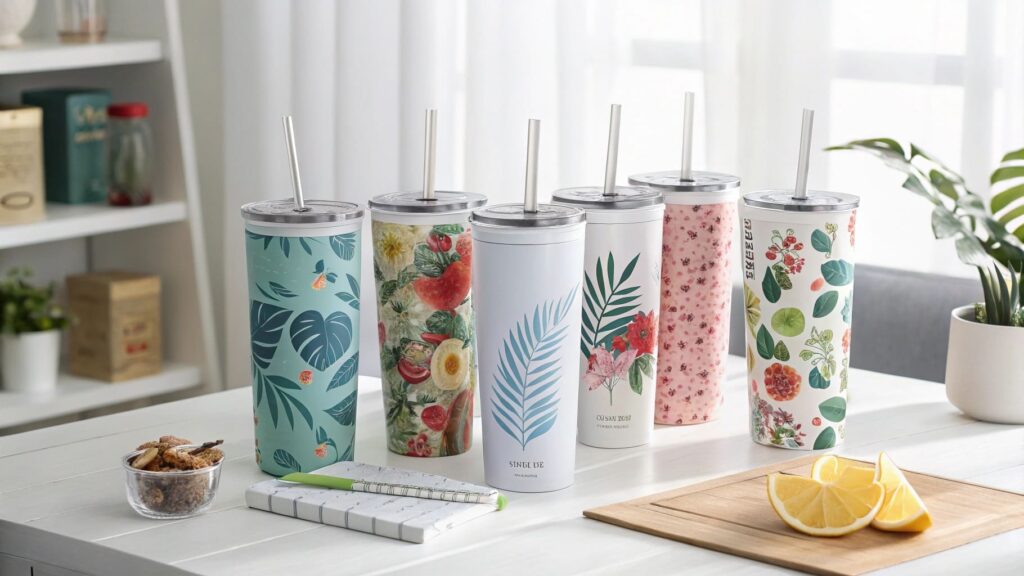
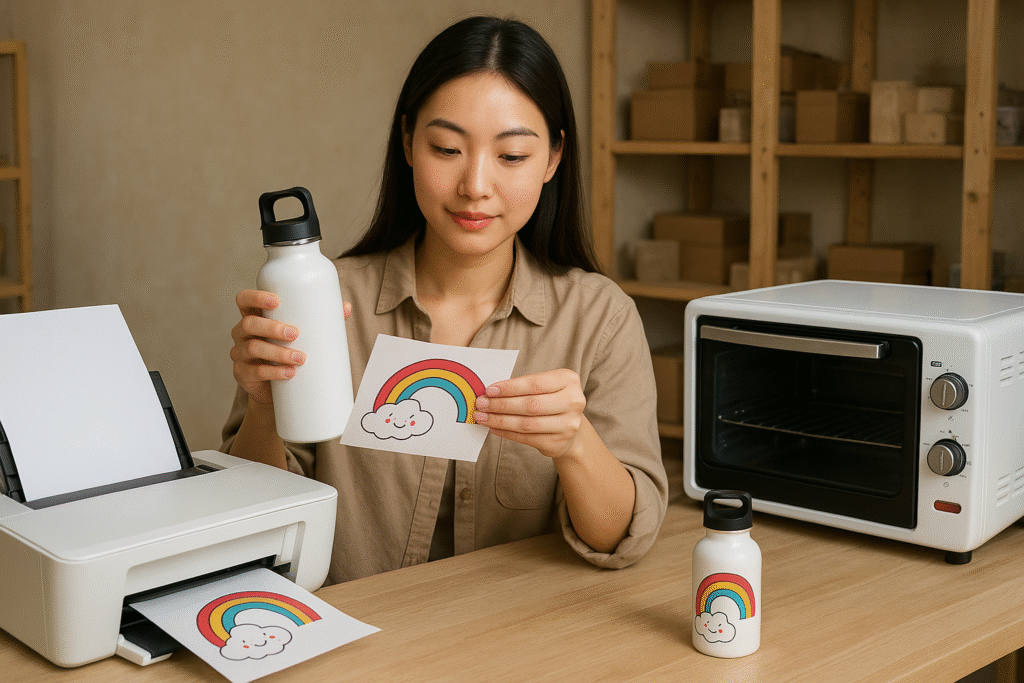
Sublimation printing requires specific materials to work. It works on 100% polyester fabric and on hard items like mugs or metal that have a special polymer coating. Sticking to these materials is the key to getting vibrant, permanent results every time.
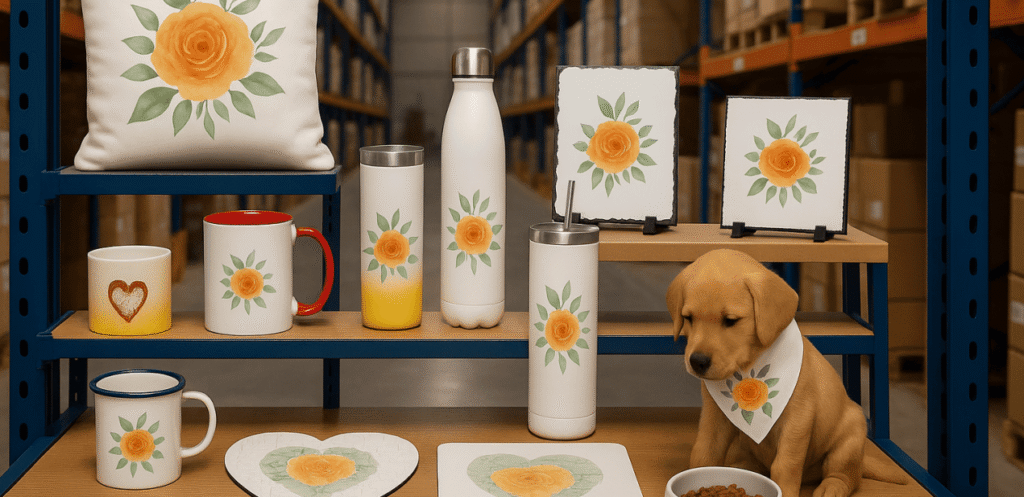
I learned this lesson the hard way. When I was just starting out, I bought a case of beautiful ceramic mugs from a regular home goods store, thinking I’d found a bargain. I spent an entire afternoon pressing them, and not a single one worked. The ink just wiped right off. That day, I learned the most important rule of sublimation: the material must be "sublimation-ready." It either needs to be polyester or have that special coating. This guide is here to help you avoid the C-word that haunts all sublimation crafters: cotton. Let's break down exactly what works, what doesn’t, and why, so you can build your business on a solid foundation of the right materials.
What materials are actually ready for sublimation printing?
You're ready to expand beyond tumblers, but the world of "blanks" is overwhelming. You don’t know what to buy, and you're scared of wasting money on useless inventory.
Buying the wrong materials is a costly mistake. It leaves you with a pile of products you can't use and a hole in your budget that could have been spent growing your business.
You can sublimate on two main categories of items: 100% polyester fabrics and hard goods with a special polymer coating. This includes materials like ceramic, specific metals, glass, and MDF.
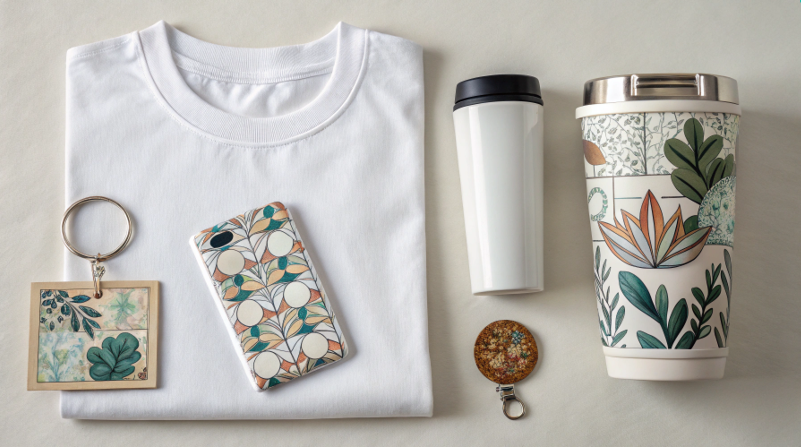
Dive Deeper: The Two Worlds of Sublimation Materials
When I guide clients on starting their own product lines, the first thing we talk about is a material strategy. For a creative designer like Emma, understanding the canvas is just as important as the art itself. Knowing your material options opens up a world of product possibilities.
It really breaks down into two simple groups:
| Material Group | Examples | The Golden Rule |
|---|---|---|
| Fabrics & Textiles | T-shirts, tote bags, hoodies, mousepads, flags, pillowcases | Must be 100% polyester for vibrant, permanent color. |
| Hard Surfaces | Mugs, tumblers, water bottles, ceramic tiles, metal signs, keychains, glass cutting boards, MDF photo panels | Must have a special polymer sublimation coating. |
1. Polyester Fabrics:
Sublimation ink is designed to bond with polyester fibers. When you heat it, the ink turns into a gas, and the pores of the polyester fabric open up. The gas goes into the fibers, and when it cools, the pores close, trapping the ink permanently inside. This is why the print feels like part of the fabric—because it is! On 100% polyester, you get stunning, photo-quality results.
2. Coated Hard Surfaces:
For things like mugs, metal, and glass, the material itself won't absorb the ink. This is where the special polymer coating comes in. This coating is essentially a layer of polyester resin that has been applied to the item. When you press it, you are sublimating onto that coating, not the ceramic or metal underneath. This is why you can't just use any mug. You must buy blanks specifically marked as "for sublimation."
What is the best material for sublimation?
You want your designs to look absolutely perfect. You're searching for the "best" material that will give you the most vibrant colors and the sharpest details.
Chasing the "best" can be confusing. You might see a product that looks great online, but when you try it, the results are dull and disappointing.
For the most vibrant, jaw-dropping results, the best materials are 100% white polyester fabric and high-quality, white-coated hard goods like ChromaLuxe metal panels or premium ceramic mugs.
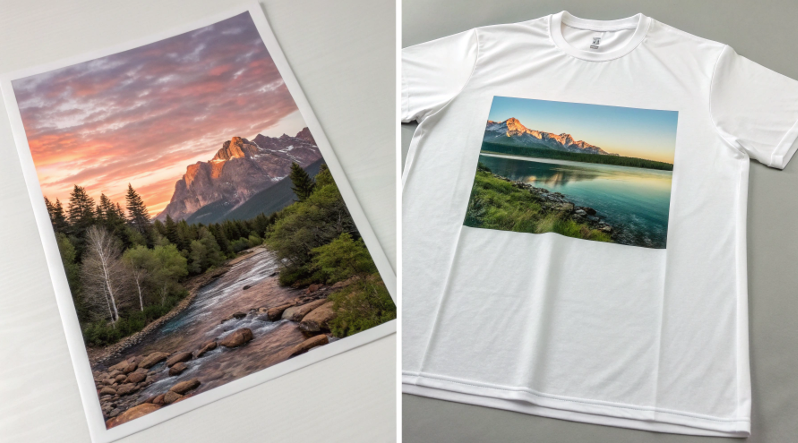
Dive Deeper: Why White is the Perfect Canvas
In printing, there is no white ink. The "white" in your design is simply the absence of ink, which allows the color of the material underneath to show through. This is why the base material is so critical to your final result.
-
For Maximum Vibrancy: A bright white surface is like a perfect, clean canvas. It reflects the most light back through the transparent sublimation ink, making your colors appear as bright and true as possible. This is why 100% white polyester shirts and high-gloss white aluminum blanks are the top choices for professional photographers and artists. When a client wants a photo product, I always recommend a white background material to ensure the colors are absolutely perfect.
-
Using Non-White "Best" Materials: But "best" can also mean "best for the intended look." You can use colored polyester shirts (like light grey, pastel pink, or heather blue). However, the color of the shirt will affect the final print. Sublimation ink is transparent, so if you print a yellow design on a blue shirt, the result will look greenish. Blacks will still look dark, but colors will shift. For a designer like Emma, learning to work with this effect can lead to unique, creative outcomes. You can achieve a cool, tonal look that isn't possible on a plain white background.
So, the "best" material isn't a single item. It's the one that best serves your artistic vision. For pure, vibrant color, choose white. For a more subtle or vintage aesthetic, you can experiment with light-colored polyester or polyester blends.
What can I sublimate from a dollar tree?
You're in a dollar store and see aisles of tempting items. Mugs, socks, and signs all for a dollar seem like a dream come true for your business.
Don't fall into the trap. Trying to sublimate on these items will almost certainly fail, leaving you frustrated and confirming that it was, indeed, too good to be true.
Almost nothing from a dollar store is suitable for sublimation. These items are made from uncoated ceramic, glass, and cotton blends, which do not work with sublimation ink.
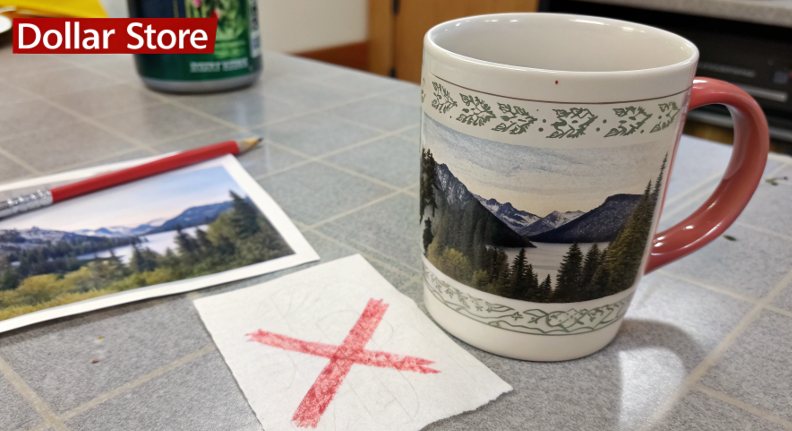
Dive Deeper: The Lure of the Bargain Bin
I understand the temptation completely. When you're trying to keep costs low, seeing a 1-dollar mug seems like a fantastic opportunity. But in the world of sublimation, bargain-hunting for your base materials is one of the fastest ways to lose money.
Let’s break down why these items won't work:
- Mugs and Ceramics: The mugs, plates, and tiles you find in a dollar store are just plain ceramic. They lack the essential polymer sublimation coating. Without that coating, the sublimation gas has nothing to bond to. The ink will either not transfer at all, or it will look faint and blurry and will wipe or wash right off. You cannot create a permanent product with them.
- Socks and Apparel: Most cheap socks and t-shirts are made from cotton or a cotton-poly blend. As we discussed, sublimation does not bond with cotton fibers. On a 50/50 blend, you’ll get a faded, "vintage" looking print that washes out. On 100% cotton, you'll be lucky if you get a faint temporary stain that disappears after the first wash.
- A Tiny Exception? You might occasionally find 100% polyester items like microfiber cleaning cloths or thin polyester flags or banners. In theory, these could be sublimated. However, the quality is often very low, and they may melt under the high heat of your press (around 400°F / 200°C).
The lesson here is to invest in proper sublimation blanks from a reputable supplier. It might feel more expensive upfront, but it guarantees a professional, sellable product. Trying to cut corners with dollar store finds will cost you more in wasted time and materials in the long run.
What materials absolutely cannot be sublimated?
You want to experiment with new products, but you need clear boundaries. Knowing what to avoid is just as important as knowing what to use, so you don't damage your equipment or waste supplies.
It’s scary to press a new material. You worry about it melting, releasing toxic fumes, or even breaking your heat press. These fears can stifle your creativity.
You cannot sublimate on natural fibers like 100% cotton, wood, and dark or black surfaces. You also cannot sublimate on uncoated items like regular glass, metal, or ceramic.
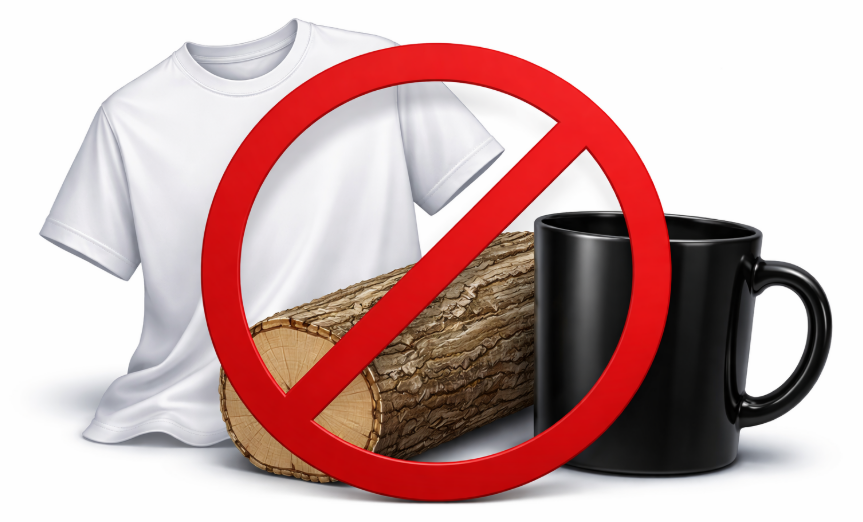
Dive Deeper: The Non-Negotiable "No" List
To run a safe and successful business, you need to know your "no-go" zone. Some materials just aren't chemically or physically compatible with the sublimation process. Here’s my definitive list of what to avoid and why.
-
100% Cotton, Linen, and other Natural Fibers: This is the most common mistake. Sublimation is a chemical process that requires polyester. Natural fibers like cotton don't have the right structure to bond with the ink. The ink will just sit on the surface and wash away.
-
Dark and Black Materials: Remember, sublimation ink is transparent. You can’t see-through ink on a dark surface. Trying to sublimate on a black polyester shirt or a black mug will result in a print that is either completely invisible or extremely muddy. For dark items, you need to use different technologies like vinyl (HTV) or screen printing.
-
Uncoated Hard Goods: This covers all the items we talked about from the dollar store. Regular glass, metals that aren’t specifically treated (like basic stainless steel), and any ceramic that isn't sold as a sublimation blank will not work. The surface simply cannot accept the ink.
-
Raw Wood: Uncoated, raw wood cannot be sublimated. It will scorch under the high heat of the press long before it could ever accept the ink. You can, however, buy specially coated MDF or wood blanks that are designed for sublimation.
Sticking to this "no" list will save you a world of trouble and keep you focused on materials that are guaranteed to give you fantastic results.
Conclusion
Success in sublimation starts with the right materials. Always choose 100% polyester or specially coated blanks to ensure your designs are vibrant, permanent, and professional. Know your materials, get amazing results.

Hi there! I'm Lucy, the guardian angel of two good children. During the day, I am a professional in the heat transfer printing industry, from factory workshops to running my own business. Here I share what I have learned - let's grow together!