Wholesale MDF Sublimation Coasters: Material Density and Water-Resistance Guide
You've sourced beautiful sublimation coaster designs, negotiated MOQ, and locked in your price. Then a retail customer spills coffee on one, and suddenly you're handling return requests because the coaster warped overnight. The real question isn't whether MDF sublimation coasters are technically "good enough" — it's whether they match how your end customers will actually use them.
MDF sublimation coasters work best in the 600-750kg/m³ density range with splash-resistant coating. They handle incidental moisture from drinkware but aren't waterproof. Wholesale buyers should match density and coating specs to whether customers want decorative pieces or daily-use coasters — higher density improves durability but reduces color vibrancy, and no coating fully protects exposed edges from prolonged water contact.
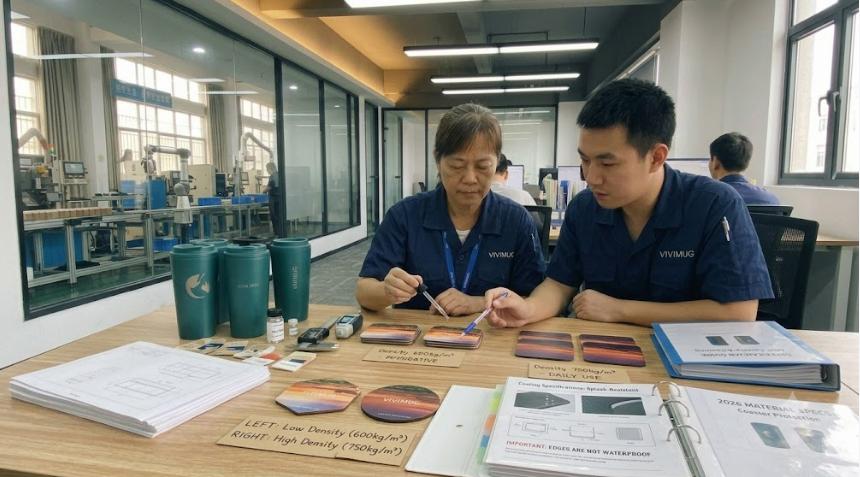
Most wholesalers worry about the wrong thing. They ask for "highest density" and "waterproof coating" when what actually prevents returns is setting realistic expectations with your retail customers about splash-resistance versus full waterproofing.
Are sublimation coasters waterproof?
Your customers see glossy, coated coasters and assume they're waterproof. Then they leave a sweating glass on one overnight and wake up to a swollen, warped coaster.
MDF sublimation coasters are water-resistant, not waterproof. The polyurethane coating resists splashes and condensation for typical coaster use — wiping up a spill within minutes causes no damage. However, the coating doesn't seal the porous MDF core. Prolonged water exposure (more than 30 minutes) penetrates through uncoated edges and causes irreversible swelling.
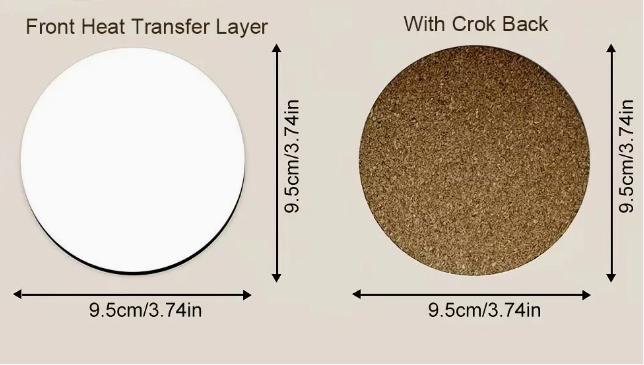
In our QC process, we've found that properly coated coasters handle 90% of real-world use without issue. A cold drink sweats, a few drops spill during pouring, someone sets down a wet glass — the coating handles all of this. The failure mode happens when coasters sit in standing water or when users wash them under running water like ceramic coasters.
The coating creates a moisture barrier:
- Top surface: 2-3 layers of polyurethane sealing prevents water penetration for 20-30 minutes
- Bottom surface: Cork backing or felt adds secondary protection and prevents table scratches
- Exposed edges: These remain the vulnerability point where water wicks into the MDF core
What "water-resistant" means in practice:
| Use Scenario | Result | Why |
|---|---|---|
| Cold drink condensation | ✓ No damage | Surface coating repels droplets |
| Small spill, wiped within 5 minutes | ✓ No damage | Coating prevents penetration |
| Soaking in sink/dishwasher | ✗ Warping/swelling | Water enters through edges |
| Humid climate, daily use | ✓ Works for years | Coating handles ambient moisture |
Wholesale clients ask us: "Can I tell my customers these are dishwasher-safe?" The honest answer is no. We coat for splash-resistance, not full submersion, because that's what the product category supports at wholesale price points.
How to make MDF coasters waterproof?
Retail customers want coasters they can "treat like ceramic," and some wholesalers ask if we can upgrade coating to make that possible. The physics of MDF makes true waterproofing impractical for sublimation products.
Improving water-resistance requires edge sealing and multiple top-coat layers. Apply 2-3 coats of water-based polyurethane to printed surfaces, then seal all four edges with acrylic sealant before attaching cork backing. This upgrades coasters from splash-resistant (5-10 minutes) to water-resistant (30-60 minutes), but still doesn't achieve true waterproofing due to MDF's porous internal structure.
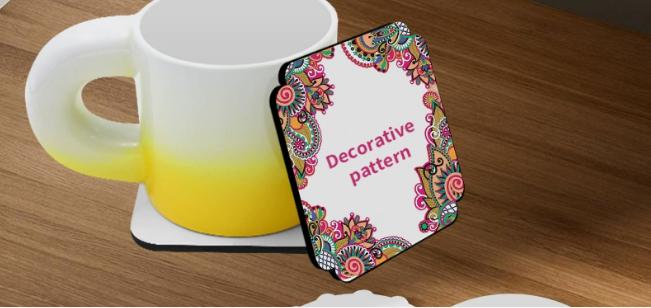
The three-layer protection approach we use:
-
Pre-sublimation sealing (optional, reduces vibrancy): Light sealant coat before printing creates base barrier — we only do this for outdoor promotional products where durability trumps color brightness
-
Post-sublimation coating (standard): 2-3 polyurethane layers after heat transfer locks in print and creates primary water barrier — this is non-negotiable for any coaster leaving our facility
-
Edge treatment (recommended for daily-use specs): Brush or spray sealant on all four edges before backing attachment — adds 15-20% to production time but cuts moisture-related returns by half
Why we don't claim "waterproof":
MDF is compressed wood fiber. Even with perfect edge sealing, the material remains hygroscopic — it absorbs moisture from air over time. A truly waterproof coaster requires non-porous substrate like ceramic, stone, or solid resin. At wholesale price points ($0.80-1.50 per coaster), you're choosing MDF for sublimation quality and cost, accepting the water-resistance limitations that come with it.
In our experience handling wholesale inquiries, buyers who position coasters as "decorative accents with practical use" get zero returns. Buyers who position them as "everyday drinkware accessories" get 5-10% returns from moisture damage. The product hasn't changed — the customer expectation has.
Can you sublimate on MDF?
Some wholesalers assume any MDF board works for sublimation, then wonder why colors look dull or prints don't transfer cleanly. MDF density directly impacts sublimation results.
Yes, MDF accepts sublimation printing when density falls in the 600-750kg/m³ range and surfaces are pre-coated with polyester primer. Lower density (below 600kg/m³) creates uneven heat distribution and weak structure; higher density (above 750kg/m³) reduces ink absorption and dulls color vibrancy. Properly prepared MDF produces photo-quality sublimation results that rival ceramic coasters at fraction of the cost.
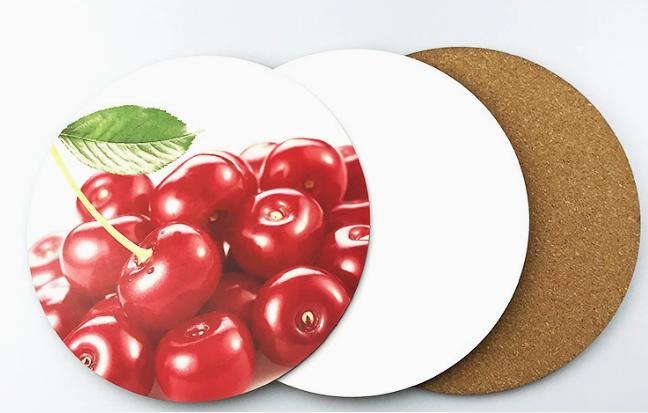
The density-quality relationship we see in production:
- 500-600kg/m³ (low density): Transfers heat unevenly, causes blotchy prints, warps easily — we reject these blanks in incoming QC
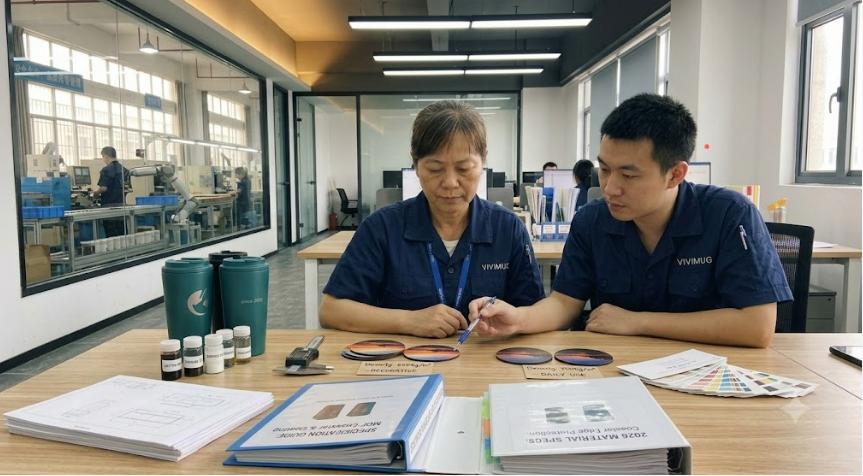
- 600-700kg/m³ (sweet spot for color): Optimal ink absorption, vibrant colors, sufficient structural stability — this is our standard wholesale spec
- 700-750kg/m³ (sweet spot for durability): Slightly less vibrant but handles shipping stress and edge pressure better — we recommend for corporate bulk orders
- Above 750kg/m³ (too dense): Ink sits on surface rather than absorbing, colors look muted, increases sublimation time/temperature — only works for industrial applications, not gift products
Why density matters more than wholesalers think:
Your retail customers don't see specs — they see whether the photo of their dog looks crisp or muddy. In our sublimation production, we've found that density variations of 50kg/m³ create visible color differences. A 620kg/m³ blank produces deeper blacks and more saturated reds than a 720kg/m³ blank under identical press settings.
Preparation requirements for successful sublimation:
- Surface coating: MDF needs polyester-based primer to bond with sublimation ink — uncoated MDF rejects transfer
- Smoothness: 180-220 grit surface finish prevents texture from showing through print
- Moisture content: Below 8% moisture prevents steam bubbles during heat transfer
Wholesale buyers ask: "Can we sublimate on standard construction-grade MDF?" Technically yes, if you coat it yourself. Practically no — the time and rejection rate make pre-coated sublimation blanks more cost-effective even at higher unit price.
Frequently Asked Questions
Will MDF coasters swell in humid climates?
Properly coated MDF coasters handle humidity up to 70% relative humidity without swelling. The polyurethane coating prevents moisture absorption from air. Issues arise only with direct water contact or storage in 80%+ humidity without ventilation.
What's the difference between MDF and HDF coasters for sublimation?
HDF (High-Density Fiberboard, 800+ kg/m³) offers better water-resistance but produces duller sublimation colors. For gift and promotional coasters where print quality matters most, MDF in the 600-750kg/m³ range delivers better value. HDF makes sense only for industrial or outdoor applications.
Can customers put MDF coasters in the dishwasher?
No. Even edge-sealed MDF coasters will warp and delaminate in dishwasher heat and water. Hand-wiping with damp cloth is the recommended cleaning method. Set this expectation clearly in product descriptions to prevent returns.
How long do sublimation coasters last with daily use?
With normal use (daily drinks, occasional spills, wiped clean), properly coated MDF coasters last 2-3 years before showing edge wear or coating breakdown. This matches the replacement cycle most retail customers expect for decorative home accessories.
Do you offer samples with different density options?
Yes. We send sample packs with 650kg/m³ and 720kg/m³ blanks so wholesalers can compare color vibrancy versus structural feel before committing to production runs. Contact us with your typical order volume and we'll recommend the density range that matches your market positioning.
Conclusion
MDF sublimation coasters succeed in wholesale markets when density and water-resistance specs match end-use scenarios. The 600-750kg/m³ range balances print quality with durability, and splash-resistant coating handles typical coaster use without claiming waterproof performance you can't deliver. Your real job as a wholesaler isn't finding "perfect" specs — it's helping retail customers set realistic expectations so photo-quality personalized coasters become repeat purchases, not return headaches.
We've produced over 2 million sublimation coasters for European and North American markets, and we're happy to discuss how density and coating choices affect your specific product positioning. Reach out for sample packs or custom OEM specifications tailored to your wholesale volume.

Hi there! I'm Lucy, the guardian angel of two good children. During the day, I am a professional in the heat transfer printing industry, from factory workshops to running my own business. Here I share what I have learned - let's grow together!