Why Choose Our Heat Transfer Expertise?
The heat transfer world changes fast, and keeping up is hard. We've got the insights to help your business grow and stay ahead of the curve.
We offer deep insights into key industry trends like eco-friendly inks, digital precision, new dye-sublimation applications, and smart manufacturing. This knowledge helps you improve quality, efficiency, and profitability in your heat transfer business.
When I first started my journey in a sublimation factory, I saw how quickly technology could make old methods obsolete. It was a constant race to adapt. Today, as a business owner, I see my clients facing the same challenges. The key is not just to keep up, but to understand why things are changing. This knowledge is what separates a struggling business from a thriving one. Let's break down the most important trends you need to know about right now to make sure you stay on the winning side.
How are eco-friendly inks changing the industry?
Environmental rules are getting stricter every day. Using the wrong inks can lead to fines and lost customers who want sustainable products. Switching to eco-friendly options keeps you compliant and attracts new business.
Water-based inks are replacing solvent-based ones because they have low VOCs (Volatile Organic Compounds). This meets new environmental standards and customer demands for greener products, making them the new industry benchmark for safety and sustainability.
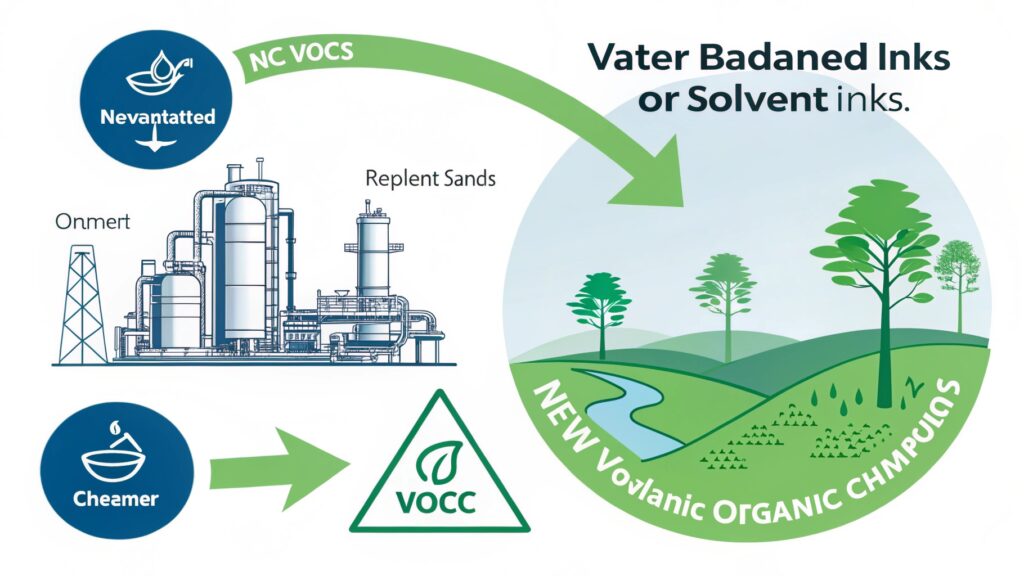
I remember working with a client, Alex, a product specialist from Canada. He was tasked with sourcing products for a children's apparel line. His main concern was safety and compliance. The old solvent-based inks were a non-starter due to their high VOC content. This is where the industry shift became crystal clear. Water-based inks are no longer just a "nice-to-have"; they're a requirement for many markets. They don't have the harsh chemical smell and are much safer for both the production team and the end consumer. For any business looking to grow, especially in markets like apparel or home goods, making the switch is essential. It tells your customers that you care about their health and the environment.
Here is a quick breakdown:
| Feature | Water-Based Inks | Solvent-Based Inks |
|---|---|---|
| Environmental Impact | Low, biodegradable | High, contains VOCs |
| Safety | Safer for workers and end-users | Requires ventilation, skin irritant |
| Print Head Clogging | Can be higher if not maintained | Lower, solvents keep heads clean |
| Substrate Compatibility | Excellent on porous materials | Versatile on non-porous surfaces |
| Regulatory Compliance | Meets most global standards | Increasingly restricted |
Can digital printing really replace screen printing for custom orders?
Small, custom orders are often unprofitable with traditional screen printing setup costs. This means you might turn away customers or lose money on those smaller jobs. Digital heat transfers completely change the game, making personalized orders cost-effective.
Yes, for small batches and personalized items, digital is a clear winner. Advanced industrial inkjet printheads, like those from Kyocera, and Variable Data Printing (VDP) allow for unique, high-quality designs on each item without the high setup costs of screen printing.
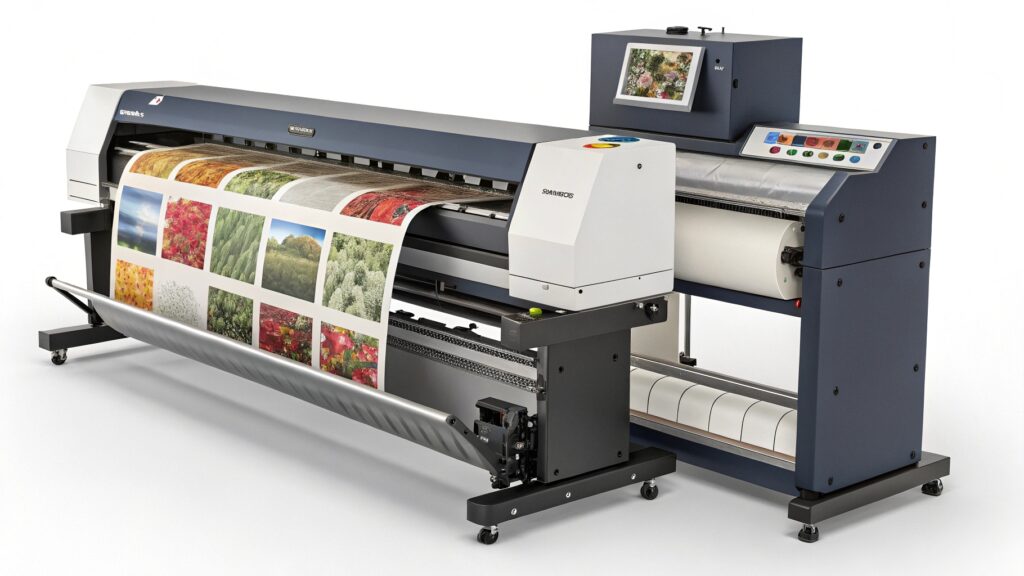
Alex often struggled with this exact problem. His company took an order for 50 hoodies for a local sports team, and each one needed a different name and number. With screen printing, that would have meant creating 50 separate screens, an impossible and expensive task. This is where digital heat transfer shines. Using Variable Data Printing (VDP), he could set up one master file and have the software automatically change the name and number for each print. The entire job was printed on transfer sheets in a single run. This capability opens up huge opportunities for customization. You can now cost-effectively serve markets that were previously out of reach, like small businesses, local clubs, and individual Etsy sellers who want unique, high-quality products without ordering in bulk. It makes you incredibly flexible.
Let's compare them for small jobs:
| Factor | Digital Heat Transfer | Traditional Screen Printing |
|---|---|---|
| Setup Cost | Very low to none | High (screen creation) |
| Per-Item Cost (Small Run) | Lower | Higher (setup cost spread over few items) |
| Ease of Customization | Excellent (VDP) | Very difficult and costly |
| Turnaround Time | Fast | Slow due to setup |
| Color Complexity | Unlimited colors, gradients | Limited colors, complex setup |
Where is dye-sublimation making the biggest impact now?
You might think dye-sublimation is just for polyester shirts. This kind of thinking limits your product range and leaves a lot of money on the table. The technology is expanding to new materials, opening up huge and profitable markets.
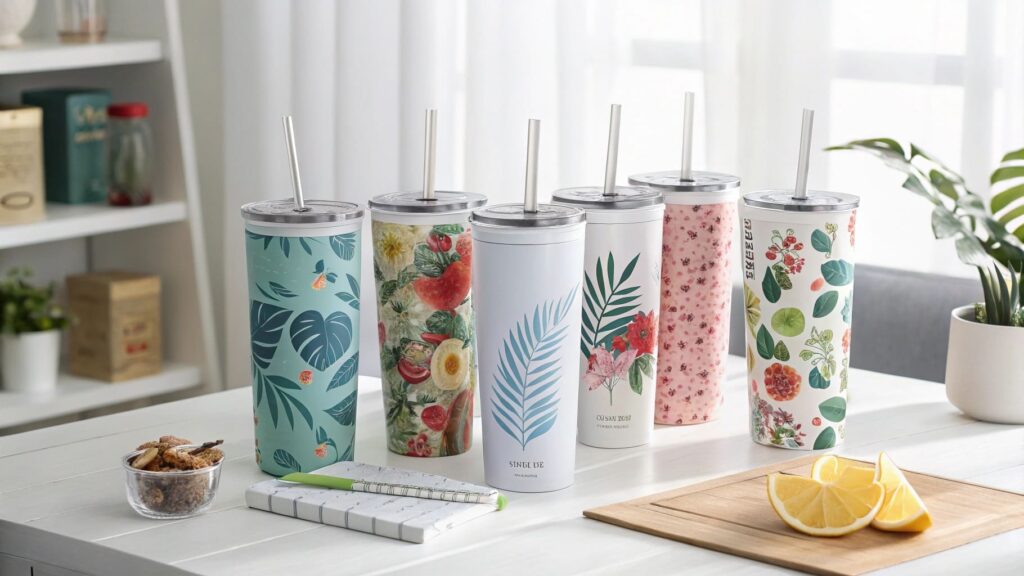
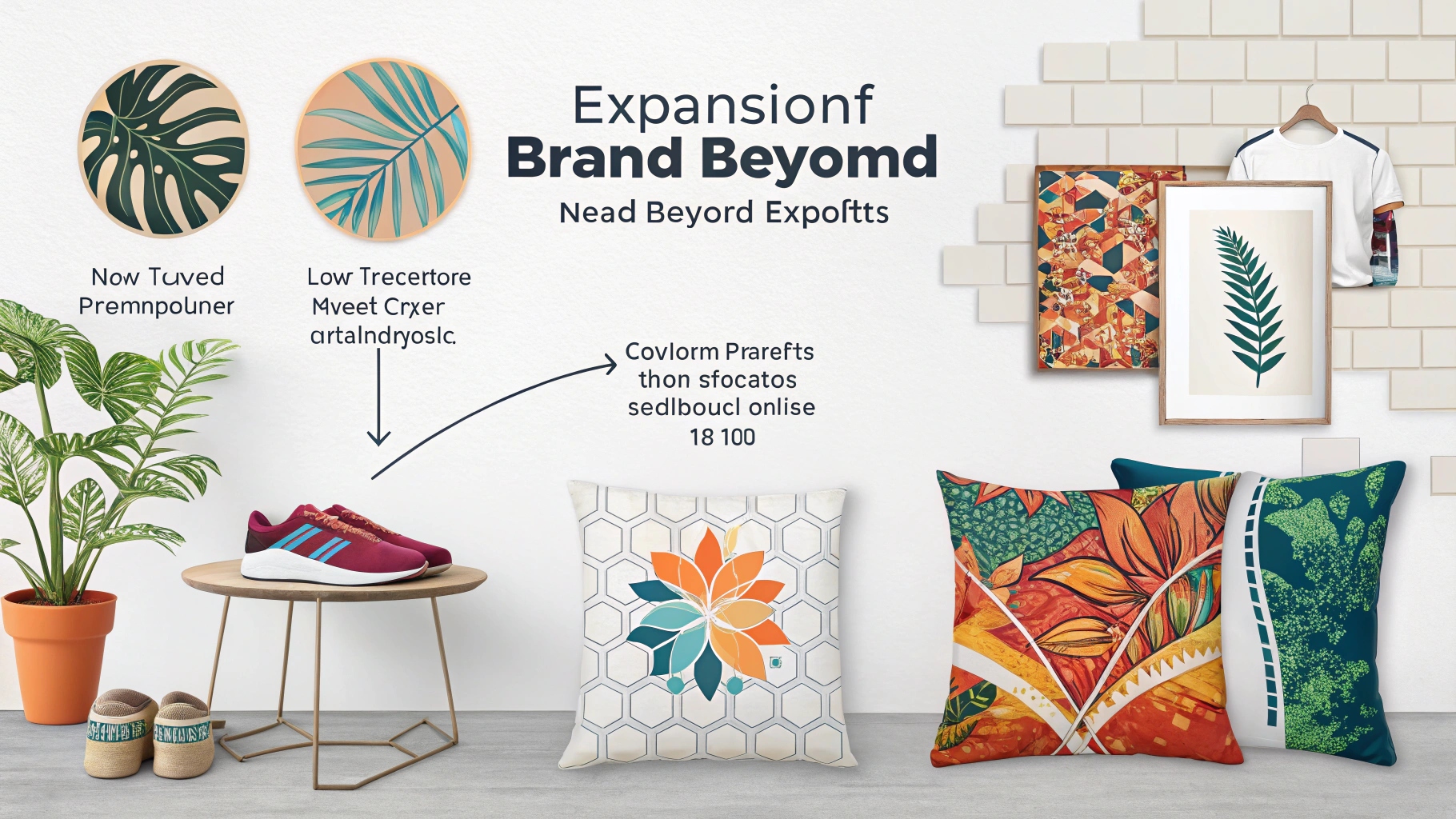
It's booming far beyond sportswear. The biggest growth is in home décor items like ceramic tiles, metal prints, and custom pillows. New low-temperature transfer technology (at or below 160°C) is also making it possible to sublimate on new heat-sensitive materials.
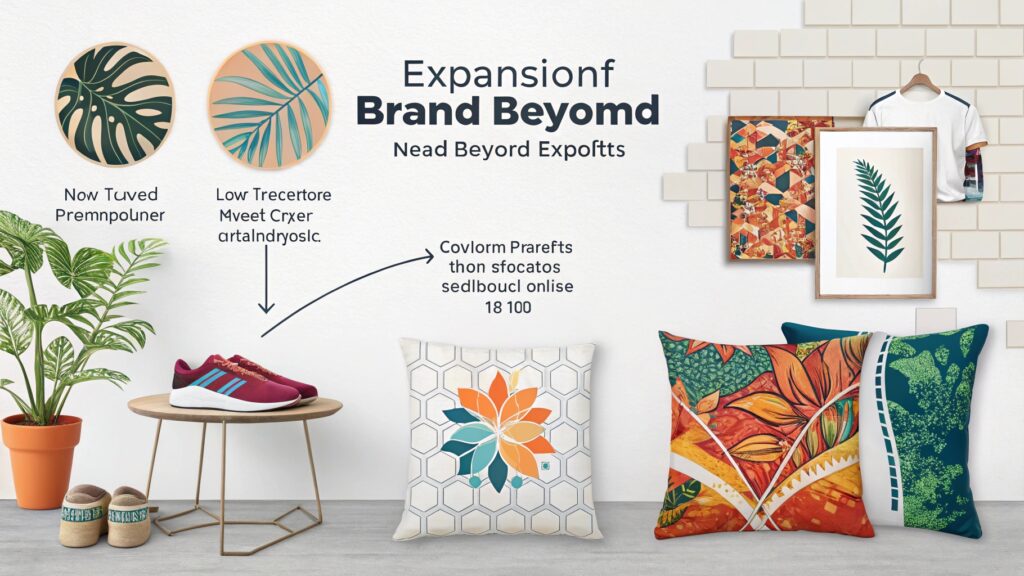
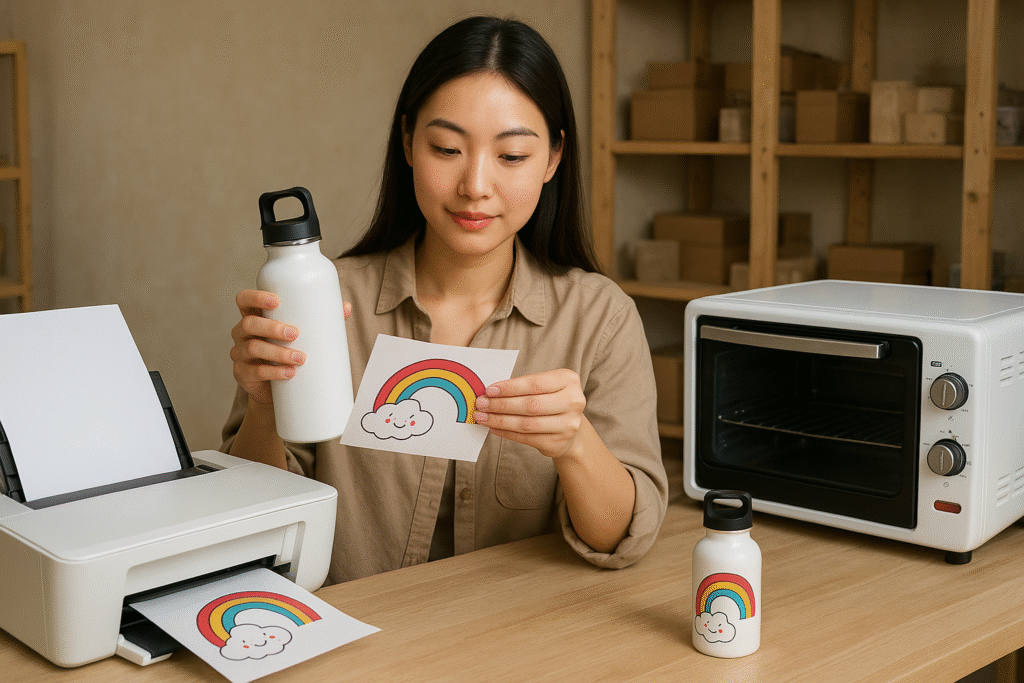
When I started my sublimation trading company, most of my clients were focused on sportswear. It made sense; dye-sublimation produces vibrant, permanent colors that don't fade or crack, which is perfect for athletic apparel. But in the last few years, the conversation has completely changed. Now, clients like Alex are asking for solutions for hard substrates. They want to print on ceramic mugs, aluminum photo panels, and even specially coated wood for home décor. This is possible because these items are coated with a polyester polymer that allows the sublimation ink to bond. Furthermore, the development of low-temperature transfers has been a game-changer. We can now look at decorating fabrics and materials that would have previously melted or scorched at the traditional 200°C, opening a whole new world of products to customize.
Here are the key growth areas:
- High-Growth Substrates:
- Polyester Fabrics: Still dominant in sportswear and athleisure.
- Polymer-Coated Hard Goods: Mugs, tiles, metal photo panels, phone cases.
- Home Textiles: Pillowcases, blankets, and curtains.
- Emerging Opportunities (Low-Temp Tech):
- Heat-sensitive synthetic blends.
- Specially treated fabrics that couldn't handle high heat before.
How does smart technology improve heat transfer results?
Getting consistent color and quality across different print runs is a huge headache. Inconsistent results lead to wasted materials, costly reprints, and unhappy customers who expect their brand colors to be perfect every time. Smart manufacturing automates key processes for perfect results.
IoT-enabled machines from brands like Mimaki and EFI connect to your network for real-time monitoring. They use automated color calibration with ICC profiles to ensure colors are always accurate and achieve high colorfastness grades (4-5), boosting both efficiency and quality.
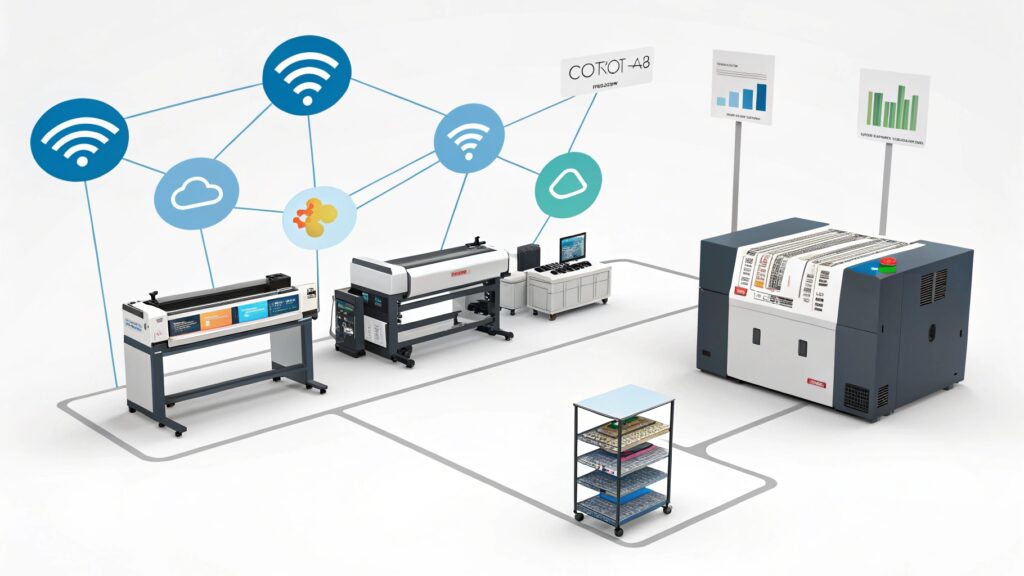
This is where my friend Alex lives and breathes. His biggest challenge is ensuring a client's bright red logo looks the exact same on a t-shirt, a mug, and a tote bag. Without smart tech, this is a nightmare of trial and error. But with today's tools, it's a science. He uses an ICC profile, which is basically a data file that tells the printer exactly how to produce a specific color on a specific material with specific ink. It's a translator between his screen and the final product. His heat press is IoT-enabled, meaning it connects to his computer. He can select a job, and the press automatically retrieves the right temperature, pressure, and time settings from a database. This eliminates human error. The goal is to achieve a colorfastness grade of 4-5, which means the color will hold up brilliantly to washing and wear. Smart tech makes this level of quality repeatable and efficient.
Here’s a simplified smart workflow:
- Design: A logo is created with a specific Pantone color value.
- Profile: RIP software applies the correct ICC profile for the printer, ink, and fabric.
- Automate: The IoT-enabled heat press pulls the pre-set parameters (temp, time, pressure) for that specific job.
- Result: A perfect, color-accurate transfer with excellent Grade 4-5 durability, every single time.
Conclusion
Staying ahead means embracing eco-friendly inks, digital precision, new materials, and smart automation. These trends are your roadmap to a more profitable and successful business.

Hi there! I'm Lucy, the guardian angel of two good children. During the day, I am a professional in the heat transfer printing industry, from factory workshops to running my own business. Here I share what I have learned - let's grow together!