Why Custom Gifts Are the Future of E-commerce?
You're trying to build an online store, but the market is saturated. You're competing with giant retailers on price, and your products get lost in an endless sea of identical, mass-produced goods.
This race to the bottom is exhausting and unprofitable. It feels impossible to stand out and build a loyal customer base when you're just another seller in a crowded, impersonal marketplace.
Custom gifts are the future because they shift the competition from price to value. They transform generic products into unique, emotional experiences, allowing small businesses to create deep customer connections and build a brand that can't be easily copied by retail giants.
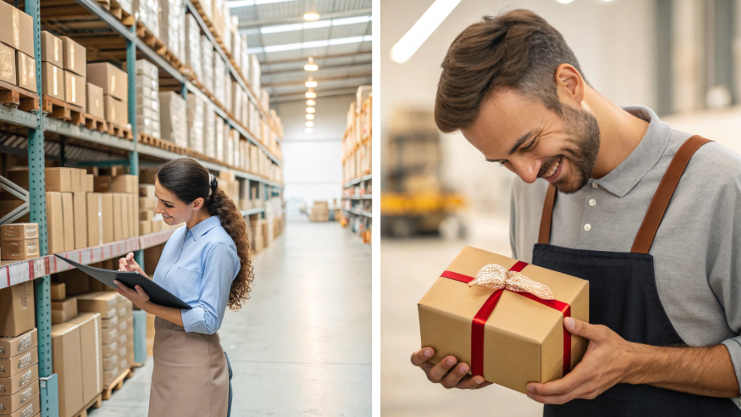
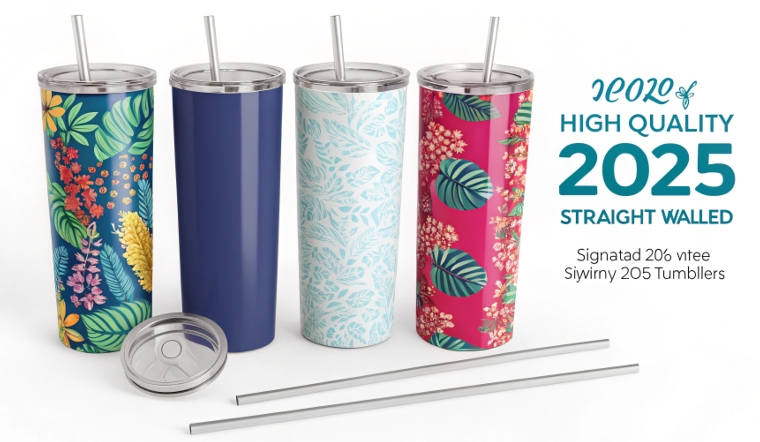
When I started my business, I thought I had to compete with the big guys. I tried selling generic tumblers with pre-made designs, and my sales were flat. I was constantly lowering my prices just to make a sale. Then, a customer asked if I could put a photo of her and her sister, who lived across the country, onto a pair of matching mugs. The final product was so simple, but for her, it was a tangible connection to her family. That sale was more profitable and ten times more fulfilling than any generic one. It was then that I realized: I'm not in the business of selling mugs. I'm in the business of selling connection. That's the future.
Why are customized gifts important?
You give a gift, but you worry it feels generic and thoughtless. In a world full of mass-produced items, your gesture of kindness can get lost, failing to make the emotional impact you intended.
This misses the entire point of gift-giving. A generic gift is quickly forgotten, but a custom gift becomes a treasured memory, strengthening your personal and professional relationships in a way that money alone can't buy.
Customized gifts are important because they create a powerful emotional connection. They prove to the recipient that you invested thought, time, and care specifically for them, turning a simple object into a unique and cherished keepsake that celebrates their individuality.

Dive Deeper: More Than an Object, It's a Message
As a product designer, someone like Emma understands that design evokes emotion. But personalization takes it to a whole new level. You move from designing for a demographic to designing for an individual. This is a profound shift. I learned that the products that sold the best weren't the ones with the flashiest designs, but the ones that told a personal story. The mug with a child's first drawing, the tumbler with a new company's logo, the t-shirt with a beloved pet's face on it—these items are encoded with meaning.
A custom gift sends several powerful messages that a generic gift simply cannot:
| Message Sent | Why It Matters | Product Example |
|---|---|---|
| "You Are Seen" | It shows you paid attention to their specific hobbies, passions, and relationships. It validates who they are as a person. | A tumbler engraved with the name of a gamer's favorite character, not just a generic "game" design. |
| "Our Bond is Unique" | It commemorates a shared memory or inside joke. It reinforces the special connection between the giver and the receiver. | A photo slate with a picture from a memorable vacation or an inside joke printed on a coffee mug. |
| "This Moment is Special" | It captures a specific point in time, like a graduation, wedding, or anniversary, turning a fleeting event into a lasting memento. | A Christmas ornament with "Our First Home 2024" and a picture of the house. |
When you sell a custom gift, you are selling these messages. The physical product is just the vessel for a much more important emotional transaction. That's why customers are willing to pay a premium for it.
What will be the future of e-commerce?
You're a small e-commerce seller watching massive online retailers dominate the market. You can't compete with their shipping speeds, massive inventory, and rock-bottom prices, and it feels like you're being squeezed out.
Relying on old retail models in the digital age is a losing game. The future of e-commerce isn't about being the biggest; it's about being the most agile, the most sustainable, and the most connected to a specific community.
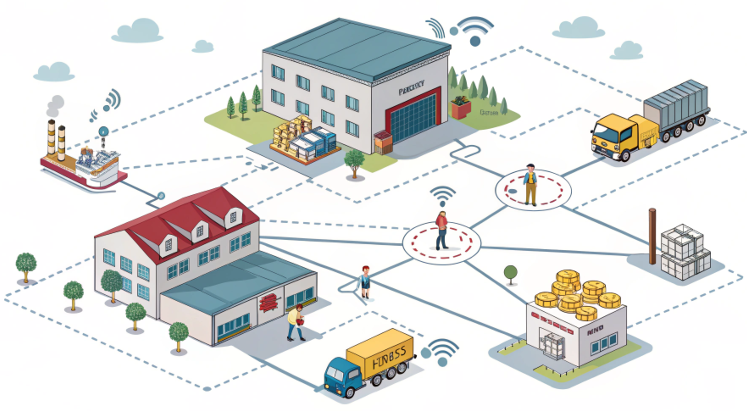
The future of e-commerce lies in on-demand manufacturing, hyper-niche markets, and localized production. It will be defined by small, agile brands that leverage technology like sublimation to create unique products, reduce waste, and build resilient, community-focused businesses.
Dive Deeper: The Shift from Mass Production to Mass Personalization
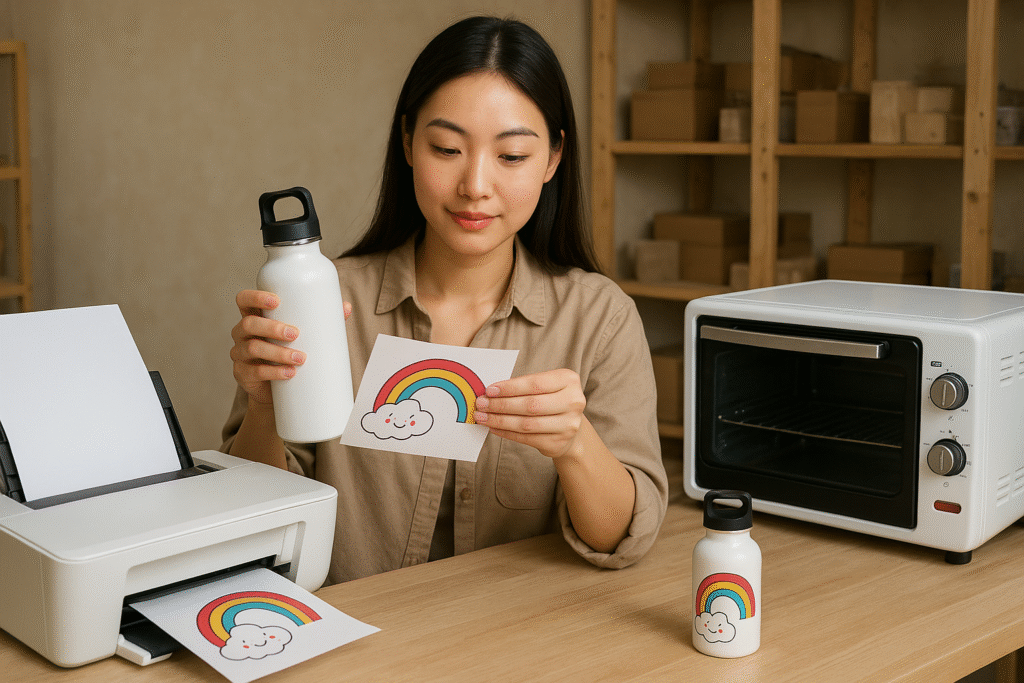
For years, e-commerce has mimicked traditional retail: make millions of an item in a factory overseas, ship it across the world, store it in a giant warehouse, and hope it sells. This model is incredibly wasteful and fragile. I saw this firsthand during the supply chain disruptions a few years ago. My friends who relied on imported goods had empty shelves, while my on-demand sublimation business kept running because I created products right here, one at a time.
For an industry professional like Emma, understanding this shift is crucial for career longevity. The future isn't about designing for mass production anymore. It's about designing for agile, local, and sustainable systems.
Here are the three pillars of future e-commerce:
- On-Demand & Sustainable: The old model creates massive waste through overproduction. On-demand manufacturing, which is the heart of a sublimation business, means nothing is made until it's sold. This is a huge win for the planet and for your bottom line. You have zero inventory risk. This aligns perfectly with growing consumer demand for sustainable and eco-conscious brands.
- Localized & Resilient: Global supply chains are fragile. The future is a distributed network of smaller, local producers. A customer in Texas can get a custom tumbler from a maker in Texas, reducing shipping times and costs. Sublimation technology empowers these small, local businesses to produce professional-quality goods, making the entire supply chain more resilient and less dependent on overseas manufacturing.
- Authentic & Niche: You can't out-Amazon Amazon. Instead of trying to sell everything to everyone, future brands will thrive by selling specific things to specific communities. A brand dedicated entirely to "Gifts for Corgi Lovers" can build a much more loyal following than a big-box store with a generic "dog" section. This is where authentic connection happens.
What is the future of personalization in e commerce?
You've added a "monogram" option to your products, but it feels basic. You know personalization is important, but you're unsure how it will evolve beyond simple names and initials in the competitive world of e-commerce.
Sticking to basic personalization will leave you behind. The future is about deeper, more dynamic, and emotionally resonant forms of customization that give customers a true sense of co-creation and ownership over their products.
The future of personalization in e-commerce is a move from simple customization to "customer co-creation." It will involve user-uploaded photos, unique text, and interactive design tools, allowing customers to create genuinely one-of-a-kind products that reflect their specific memories and identity.
Dive Deeper: Moving from "Pick a Letter" to "Tell Your Story"
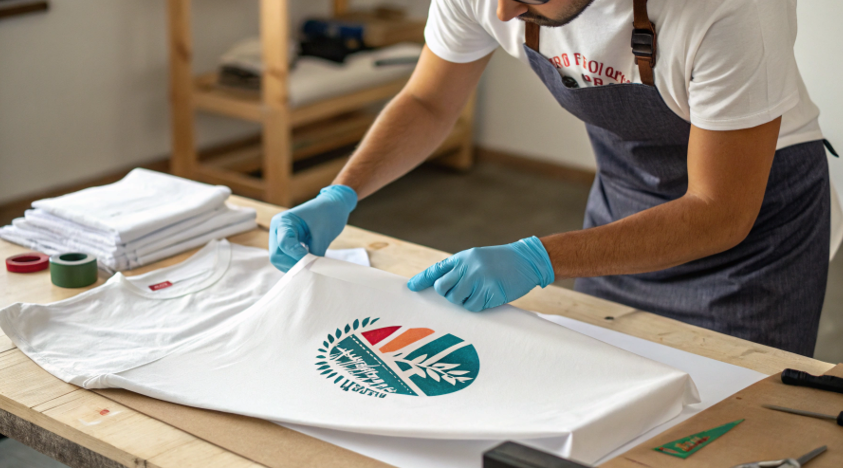
In my business, the game changed when I stopped offering a limited set of designs and started saying, "Send me your photo. Tell me what you want it to say." I gave the creative control to my customers. This is the difference between letting someone pick a car color and handing them the keys to the design studio.
For a skilled designer like Emma, this future is incredibly exciting. Her role shifts from being just a creator to being a "creative facilitator," helping customers bring their unique visions to life. The technology to do this is becoming more accessible every day.
Here's the evolution of personalization:
| Level | Description | Example |
|---|---|---|
| Level 1: Customization | The customer chooses from a pre-set menu of options. The business still controls the core design. | "Choose a font and enter your name here." or "Pick one of our 5 color options." |
| Level 2: Personalization | The customer provides their own unique content, which is then integrated into a template by the seller. | "Upload your photo and we will place it in this 'Best Dad' frame on a mug." |
| Level 3: Co-Creation | The customer uses interactive tools to design the product themselves, becoming an active partner in the creation process. | "Use our online tool to position your photo, add your own text in any font, and see a live 3D preview before you buy." |
The future is Level 3. E-commerce platforms are increasingly integrating these tools, allowing even the smallest sellers to offer a powerful co-creation experience. Sublimation is the perfect manufacturing technique for this future, as it can produce a unique, full-color design of one just as easily as a hundred.
What is the main benefit of personalization and recommendation systems in e-commerce?
You're running your online shop, but it feels like you're shouting into a void. You struggle to capture visitors' attention and guide them from just browsing to actually making a purchase, leading to high cart abandonment rates.
Without effective guidance, your customers feel overwhelmed or disconnected. They can't find what they're looking for, so they leave your site and buy from a competitor who made their shopping experience easier and more relevant.
The main benefit is a massive increase in customer engagement and sales. By showing customers products that are highly relevant to their interests and past behavior, these systems make shoppers feel understood, which builds trust, reduces decision fatigue, and significantly boosts conversion rates.
Dive Deeper: Making E-commerce Feel Human Again
In my physical craft market days, I could talk to every customer. I could see they were wearing a dog-themed sweater and say, "Oh, you're a dog lover! You have to see these custom pet tumblers." I was a human recommendation engine. The goal of personalization in e-commerce is to digitally replicate that helpful, personal interaction at scale.
For a business owner or designer like Emma who is focused on customer needs, this is about empathy. It's about anticipating what a customer wants before they even have to search for it.
Here’s how this works in practice for a custom gift business:
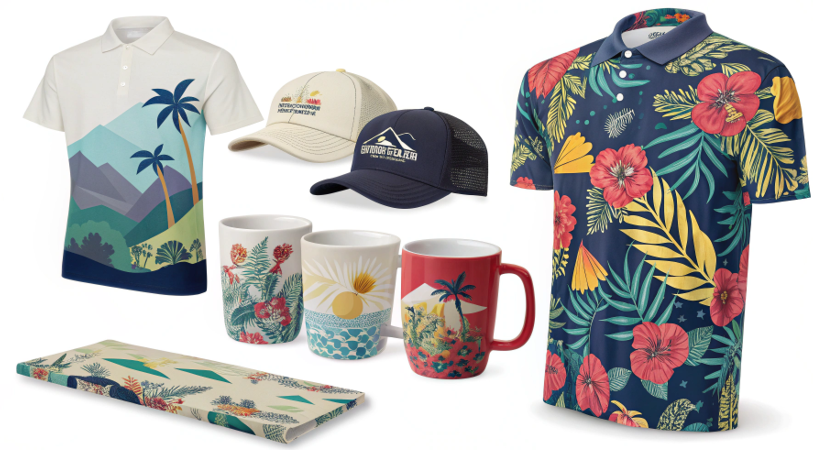
- Behavioral Recommendations: A customer buys a "World's Best Dad" mug. The system knows Father's Day is coming up. The next time they visit, the homepage shows them other personalized gifts for dads, like photo keychains or custom t-shirts. It's like a helpful store clerk remembering what you're shopping for.
- "Complete the Look" Cross-selling: A customer designs a t-shirt with a photo of their cat. On the checkout page, a recommendation system suggests, "People who bought this also loved our custom pet photo mugs! Add one to your order?" This increases the average order value by presenting relevant add-ons at the perfect moment.
- Personalized Marketing: Instead of sending a generic "10% off" email to everyone, the system sends a targeted email. To the customer who bought the cat t-shirt, it sends an email featuring new cat-themed designs. This makes marketing feel like a helpful suggestion rather than spam.
These systems are no longer just for giants like Amazon. Platforms like Etsy and Shopify have powerful personalization and recommendation features built-in, allowing small businesses to create a smarter, more human-feeling shopping experience that turns browsers into loyal customers.
Conclusion
Custom gifts are the engine of a more personal, sustainable, and resilient e-commerce future. By focusing on emotional connection and leveraging on-demand technology, you can build a thriving business that stands apart and truly matters to your customers.

Hi there! I'm Lucy, the guardian angel of two good children. During the day, I am a professional in the heat transfer printing industry, from factory workshops to running my own business. Here I share what I have learned - let's grow together!