Why Is Sublimation Printing Better for Small Batch Custom Gifts?

You have a fantastic idea for a personalized gift, but you only need one or a few. Traditional printers demand huge minimum orders, making your project impossible or incredibly expensive.
This is so frustrating. Your creative ideas get stuck, and you can't serve clients who want small, meaningful orders. You're forced to think in bulk when all you need is a single, perfect item.
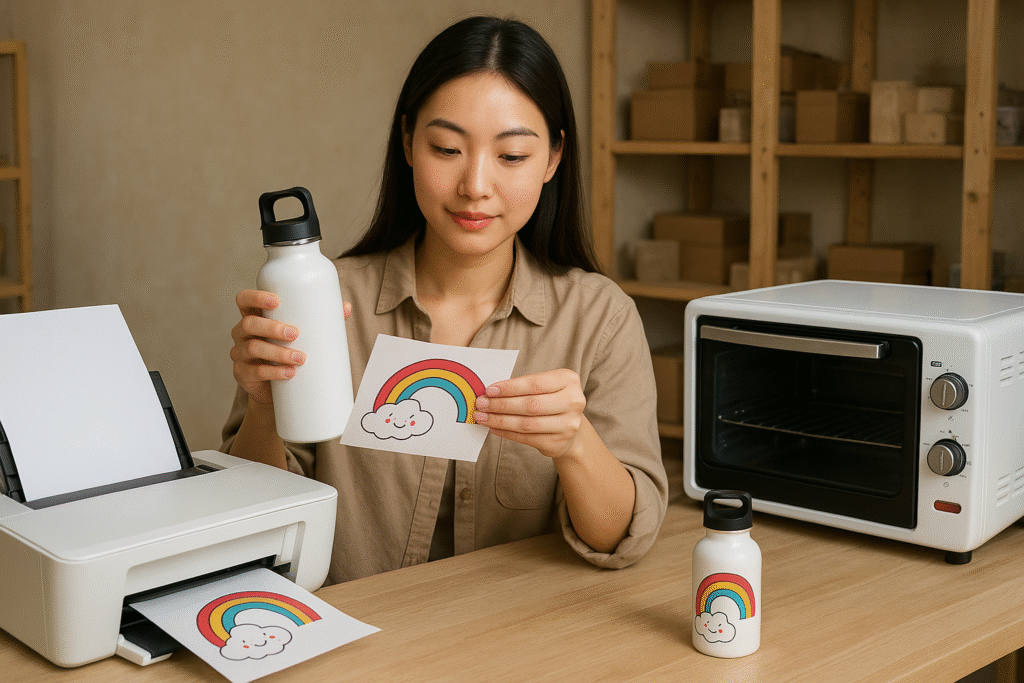
Sublimation printing is ideal for small batches because there are no setup costs per design. This makes it cost-effective to produce even a single item, offering full-color, permanent results without the need for large, risky inventory orders.

When I started my business, this was the exact problem I wanted to solve. Clients would come to me asking for a single mug with their grandchild's drawing on it or five t-shirts for a bachelorette party. The old way of printing would have required me to turn them away. Sublimation gave me the power to say "yes" to every single one of them. It allowed me to build my entire business on helping people bring their unique, small-scale ideas to life. Let’s explore why this technology is so perfectly suited for the modern world of custom gifts.
What are some real advantages of using sublimation printing?
You're comparing printing methods, and they all seem to have pros and cons. You're worried about choosing a method that limits your creativity or produces a low-quality product that won't last.
The fear of peeling vinyl or faded screen prints is real. You can't build a reputation for quality if your products start to look bad after a few washes, destroying customer trust.
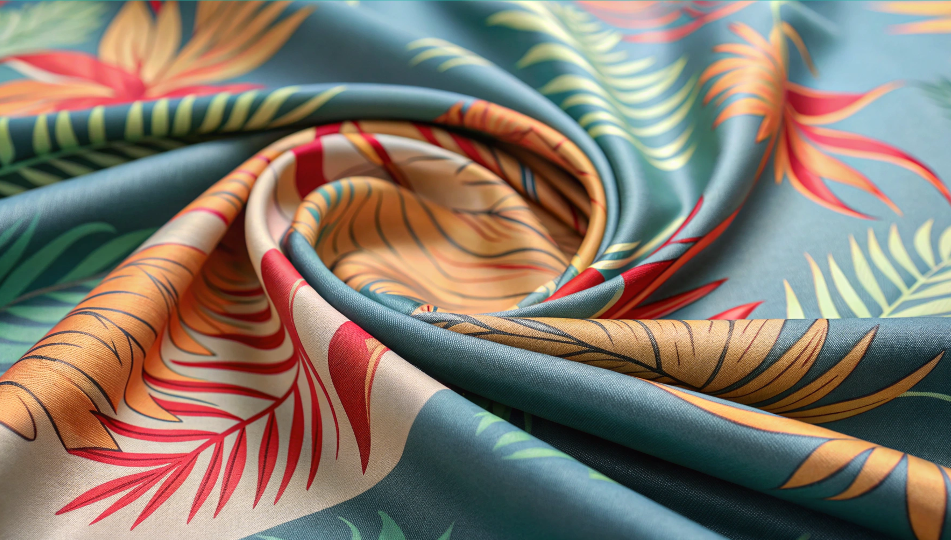
The main advantages of sublimation are its incredible durability, stunning photo-quality vibrancy, and complete lack of setup fees, allowing for unlimited colors and designs on a per-item basis.
Dive Deeper: More Than Just a Pretty Picture
When I was first learning the trade on the factory floor, I worked with many different printing methods. But when I saw sublimation up close, I knew it was different. It wasn't just ink sitting on top of the product; it was part of it. This gives it three core advantages that are crucial for a custom gift business focused on quality. For a professional like Emma, these advantages translate directly to a better, more marketable product.
Here’s how it stacks up against other common methods:
| Feature | Sublimation Printing | Screen Printing | Heat Transfer Vinyl (HTV) |
|---|---|---|---|
| Durability | Excellent. The ink is infused into the material. It will not crack, peel, or fade. | Good. Can crack or fade over time with many washes. | Fair. Prone to peeling or cracking over time, especially with improper application. |
| Vibrancy & Detail | Excellent. Full-color, photographic prints with millions of colors are possible. | Limited. Each color requires a separate screen, making complex designs very expensive. | Limited. Typically used for solid colors or simple layered designs. Not for photos. |
| Setup Cost | None. You can print one unique design at no extra setup cost. | High. A screen must be created for each color, making small batches very expensive. | Low. No major setup, but designs must be cut and weeded, which is labor-intensive. |
| Feel | Zero Feel. The ink is inside the fabric or coating, so the surface feels completely smooth. | Slightly Raised. You can feel the layer of ink on top of the fabric. | Raised. You can feel the vinyl layer on top of the fabric. |
For small-batch gifts, a customer's expectation is a high-quality, personal item that lasts. Sublimation delivers on that promise better than any other method.
What products actually sell the most with sublimation?
You have the equipment and you're ready to start. But now you're facing a new problem: what should you actually make that people will want to buy?
Investing your time and money into making products that don't sell is a business owner's worst nightmare. It's easy to get lost in a sea of options and end up with unsold inventory.
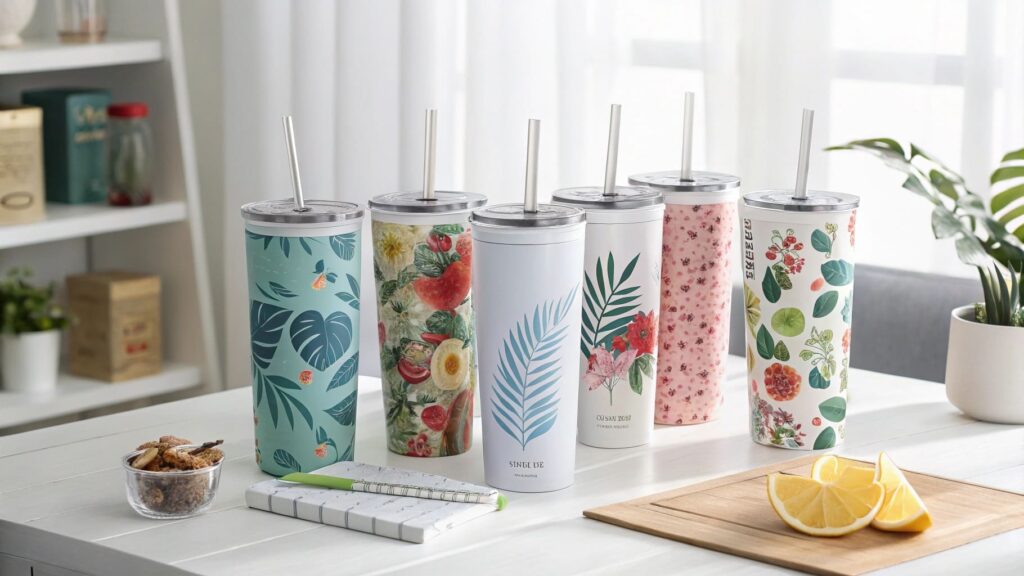
The highest-selling sublimation products are consistently drinkware (mugs and tumblers), apparel (100% polyester shirts and hoodies), and personalized photo gifts like metal prints, coasters, and keychains.

Dive Deeper: Focusing on the Proven Winners
When I was building my business, I experimented a lot. Over time, I learned to focus my energy on what customers consistently love to buy. People are looking for gifts that are either practical for daily use or deeply sentimental. The best-sellers hit these marks perfectly.
- Drinkware (Mugs & Tumblers): This is the king of custom gifts. Why? Because it's a part of someone's daily routine. A mug with a family photo or an inside joke is seen every single morning. Tumblers are incredibly trendy and practical for people on the go. They are high-value items that people use constantly, making them my number one seller.
- Apparel (Polyester Performance Wear): Think beyond basic t-shirts. 100% polyester "performance" shirts, a favorite of athletes and anyone who likes a soft, light feel, are perfect for sublimation. They are great for fun runs, family reunions, and team events. The full-color, breathable print is something other methods can't replicate on these materials.
- Photo Gifts (Metal, Ceramic, MDF): This category is all about emotion. Sublimating a wedding photo onto a high-gloss ChromaLuxe metal panel creates a stunning, high-margin piece of art that looks incredibly professional. Coasters, ornaments, and keychains are smaller, more affordable options that make fantastic stocking stuffers or add-on sales. A product designer like Emma can create beautiful templates for these that clients can easily personalize with their own photos.
Start with these categories. Master them, and you will have a solid foundation for a successful sublimation business.
What are the real downsides of sublimation?
Sublimation sounds almost too perfect. You're waiting for the catch, the big "gotcha" that will ruin your plans after you've already invested in the equipment.
The fear of the unknown can hold you back. If you don't understand the limitations of a technology, you can't plan for them, and you might make a costly investment only to find it doesn't fit your business needs.
The main downsides of sublimation are its material restrictions: it only works on 100% polyester or special polymer-coated items. It also cannot print on dark or black garments.

Dive Deeper: Knowing the Rules of the Game
Being a successful entrepreneur isn't about finding a perfect method; it's about mastering the method you choose, including its limitations. I never see sublimation's downsides as failures; I see them as rules. As long as you play by the rules, you will always win.
- The Polyester Rule: Sublimation is a chemical process where the ink bonds with polyester fibers. It does not work on natural fibers like cotton. If you try to sublimate on a cotton shirt, the image will look extremely faded and will wash out almost completely. While you can use poly-blend shirts (like a 50/50), only 50% of your ink will transfer, giving you a faded, "vintage" look. For full vibrancy, you must stick to 100% polyester.
- The "No Darks" Rule: Sublimation ink is transparent, not opaque. Think of it like a watercolor, not a house paint. You can't see yellow watercolor on black paper. The same is true here. Printing on a black, navy, or even a dark grey shirt will result in a print that is either invisible or completely muddy. Your canvas must be a light color, with white being the absolute best for true-to-color results. For dark garments, you have to use other methods like screen printing or heat transfer vinyl (HTV).
- The "Special Blanks" Rule: You can't just go to a department store and buy any mug or tumbler. Every hard good you sublimate on must have the special polymer coating. This means you have to source your inventory from dedicated sublimation suppliers, which can sometimes be more expensive than buying regular goods.
Understanding these three rules is the key. Don't fight them. Embrace them, build your business around them, and you will create amazing products without frustration.
So, is sublimation printing actually the best?
With all the different printing methods available, you feel overwhelmed. You just want a simple answer: which one is "the best" so you can invest your money with confidence?
This search for a single "best" option can lead to analysis paralysis. Every method has its strengths, and trying to find one that does everything perfectly is a recipe for inaction.
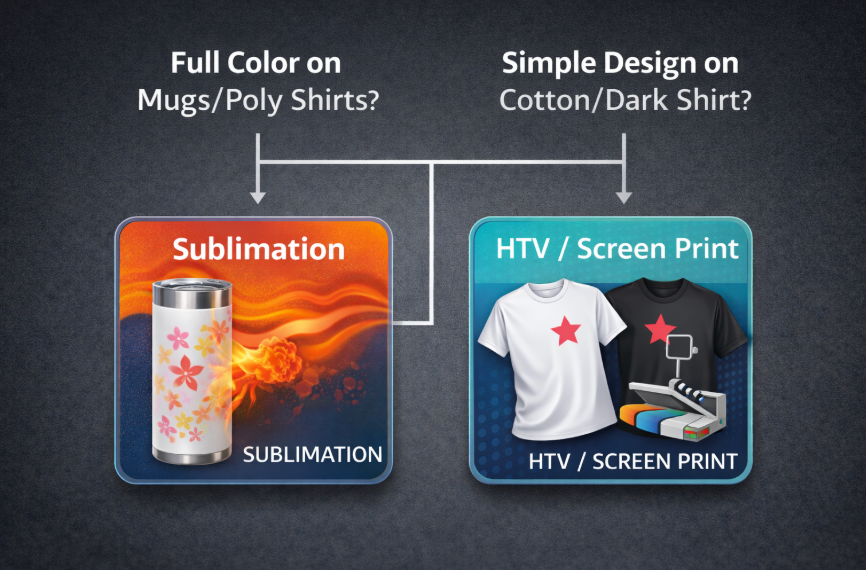
Sublimation is the best method for creating full-color, permanent designs on light-colored polyester and polymer-coated items, especially for small batches. It is not the best for cotton or dark fabrics.
Dive Deeper: The Right Tool for the Right Job
After years of running my business, I can tell you that there is no single "best" printing method for everything. It's like asking a carpenter if a hammer is the best tool. It’s the best tool for hitting a nail, but it’s a terrible tool for cutting a board. The question isn't "Is it the best?" but "Is it the best for what I want to do?"
Here is the simple mental checklist I use when advising new business owners:
- Do you want to print vibrant, full-color photos or complex designs?
- If yes, sublimation is a top contender.
- Do you want to print on mugs, tumblers, and other hard-surface gifts?
- If yes, sublimation is the industry standard and the best choice.
- Do you want a print that has zero feel and will never crack or peel?
- If yes, sublimation is your answer.
- Do you want to sell products for small orders, even just one piece at a time?
- If yes, sublimation is absolutely the most cost-effective solution.
However, if your primary goal is to print simple, one-color logos on hundreds of black cotton t-shirts, then screen printing would be a much better and cheaper tool for that specific job.
I built my business on sublimation because it is the best tool for the modern gift market: high-quality, durable, full-color personalization without the need for mass production.
Conclusion
For small-batch custom gifts, sublimation offers unmatched quality and flexibility. It empowers you to say "yes" to creativity, meet modern customer demands, and build a profitable business without huge risks.

Hi there! I'm Lucy, the guardian angel of two good children. During the day, I am a professional in the heat transfer printing industry, from factory workshops to running my own business. Here I share what I have learned - let's grow together!